

Nothing OS 5.0 Unveils a More Personalized and Expressive Smartphone Experience
The smartphone landscape is constantly evolving, with software updates playing a crucial role in shaping how we interact with our devices. Nothing, a company known for its distinctive design philosophy, has recently given us a glimpse into the future with its upcoming Nothing OS 5.0 update. This Nothing OS update promises to bring a fresh wave of personalization and deeper integration of its unique hardware features, most notably through a revamped Glyph Interface app and the introduction of adaptive color widgets and dynamic themes. This development is particularly significant as it signals Nothing’s commitment to a more unified and expressive user experience, building upon the foundation of Android 17.
The Power of Personalization: Glyphs, Colors, and Dynamic Themes
At the heart of the Nothing OS 5.0 update lies a significant enhancement to the user’s ability to customize their device. The standout feature is the new Glyph Interface app. For those unfamiliar, Nothing phones are recognizable by their unique rear LED light patterns, dubbed the Glyph Interface. Previously, these were largely pre-set animations. The new app, however, promises to unlock a far greater degree of control, allowing users to create and assign custom light patterns to specific contacts, app notifications, or even music playback. Think of it like giving your phone a unique visual language, a silent communicator that can convey information at a glance without needing to unlock the screen. This isn’t just about aesthetics; it’s about providing a more intuitive and discreet way to stay informed.
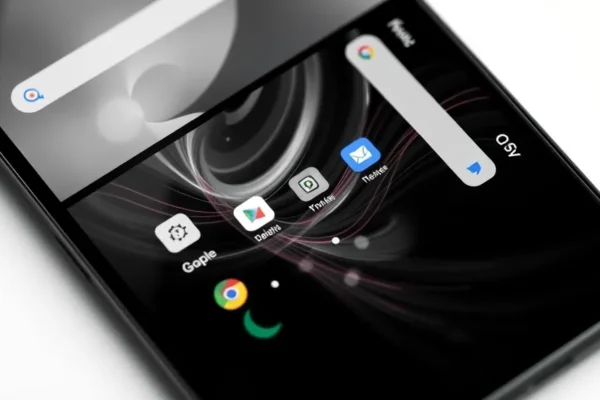
Complementing this visual flair are adaptive color widgets and wallpaper-based dynamic themes. These features leverage the underlying capabilities of Android 17 to create a more cohesive and personalized interface. Adaptive color widgets are intelligent components that can automatically adjust their color palette to match the dominant colors of the user’s chosen wallpaper. This means your home screen can truly become a unified canvas, with widgets and app icons harmonizing with your background. The dynamic themes take this a step further, allowing the entire operating system’s color scheme, from notification shades to settings menus, to shift and adapt based on the selected wallpaper. This creates a deeply immersive and personalized experience, making each user’s phone feel truly their own. This push towards deeper Nothing phone customization is a key differentiator for the brand.
How the Magic Happens: Unpacking the Mechanics
The advancements in Nothing OS 5.0 are built upon sophisticated software engineering, but the user experience is designed to be straightforward. The Glyph Interface app acts as a central hub. Imagine a simple editor, similar to a drawing app, where users can sketch out light patterns. The software then translates these designs into sequences of LED activations on the back of the phone. This is made possible by the underlying hardware capable of individually controlling numerous LED segments.
For the adaptive color widgets and dynamic themes, the magic lies in algorithms that analyze the color composition of a user’s wallpaper. These algorithms identify the most prominent hues and shades. This information is then fed into the system’s theming engine. For widgets, this means individual components will sample colors from the wallpaper and apply them to their backgrounds, text, or icons. The dynamic theming engine takes this a step further, applying a broader, system-wide color transformation. This is similar to how a painter might choose a complementary color palette from a photograph to create a cohesive artwork. While the technical underpinnings involve color science and sophisticated theming APIs provided by Android 17, the end result for the user is an intuitive visual transformation. The goal is to move away from generic, one-size-fits-all themes towards a custom homescreen that truly reflects the user’s taste. We’re also seeing early hints of a monochrome theme option within these dynamic settings, offering a minimalist aesthetic.
Early Adopters and Real-World Potential
While Nothing OS 5.0 with these specific features is slated for release with devices supporting Android 17, the core concepts are already being explored in the Android ecosystem. Google itself has been pushing for more personalization through Material You, its design language that dynamically adapts UI colors. Nothing’s approach, however, appears to be more deeply integrated and offers a unique hardware-software synergy with its Glyph Interface.
The primary beneficiaries of this Nothing OS update will be existing and future owners of Nothing phones. The ability to create unique Glyph patterns offers a new avenue for self-expression and functional notification management. For instance, a unique blinking pattern could signify an important work email, while a subtle glow could indicate a message from a loved one. The adaptive color widgets and dynamic themes will appeal to users who value a cohesive and aesthetically pleasing digital environment. This level of smartphone software update enhancement elevates the user experience beyond mere functionality, focusing on delight and personalization. Currently, these specific features are not broadly available as they are tied to the Android 17 release and Nothing’s next generation of hardware, placing them in the early adoption phase, eagerly anticipated by Nothing’s user base.
The Competitive Arena: Personalization Wars
The race to offer more personalized smartphone experiences is a fierce one. Google’s Material You design language, introduced with Android 12, has already set a precedent for dynamic theming, allowing system colors to adapt to wallpapers. Many other Android manufacturers, like Samsung with its One UI and Xiaomi with its MIUI, offer extensive customization options for themes, icons, and widgets.
However, Nothing’s approach carves out a distinct niche. The Glyph Interface, in particular, offers a hardware-based personalization feature that is currently unmatched by competitors. While others focus on software-driven aesthetics, Nothing blends physical design with digital interaction. This unique combination provides an advantage, particularly for users who are drawn to distinctive hardware. The adaptive icons and dynamic themes, while conceptually similar to Google’s Material You, are expected to be implemented with Nothing’s signature minimalist design ethos, potentially offering a more refined and less overwhelming aesthetic. The challenge for Nothing will be to maintain this differentiation as competitors inevitably explore similar hardware-software integrations.
Reshaping User Expectations and Digital Identity
The implications of Nothing OS 5.0 extend beyond just making phones look prettier. This level of personalization has the potential to deepen the user’s connection with their device. When a phone’s interface truly reflects an individual’s tastes and preferences, it becomes more than just a tool; it becomes an extension of their digital identity.
Economically, this focus on unique user experiences could foster greater brand loyalty and attract a segment of consumers willing to pay a premium for differentiated technology. It could also encourage developers to create more dynamic and visually engaging app experiences that leverage these new theming capabilities. Socially, while increased personalization can lead to a more enjoyable user experience, it also raises questions about the potential for digital environments becoming even more individualized, potentially impacting how we interact in shared digital spaces. In the short term, these features will enhance the experience for Nothing users. In the long term, we might see a broader industry shift towards deeper hardware-software integration for personalization.
Navigating the Hurdles: Technical and Adoption Challenges
Despite the exciting potential, there are inherent limitations and challenges with such advancements. For the Glyph Interface, the primary bottleneck is hardware. Not all smartphones have the sophisticated LED arrays that Nothing employs. This limits its widespread adoption to Nothing’s own product line. Furthermore, designing intuitive and appealing custom Glyph patterns can be a learning curve for some users.
The implementation of truly seamless dynamic theming across all apps is also a complex technical undertaking. While Android 17 provides robust APIs, app developers will need to ensure their applications are compatible and adapt their designs accordingly. Without widespread developer adoption, the dynamic themes might only partially transform the user interface, leaving some apps looking out of place. Another challenge is the potential for “theme fatigue,” where users, after initial excitement, may revert to simpler or more functional interfaces. Balancing aesthetic appeal with practical usability is key. For now, these features are in development and their full realization depends on both Nothing’s execution and the broader Android ecosystem’s response.
The Road Ahead: Evolution of Personalized Mobile Tech
The trajectory for Nothing OS 5.0, and by extension for Nothing OS, points towards an increasingly integrated and personalized mobile experience. We can expect further refinement of the Glyph Interface, potentially incorporating more complex animations, haptic feedback integration, and even contextual awareness, such as changing patterns based on ambient light or sound.
The trend towards adaptive and dynamic theming is also likely to accelerate. As AI becomes more sophisticated, we might see themes that not only adapt to wallpapers but also to user activity, time of day, or even mood. The competition will undoubtedly push other manufacturers to innovate in similar directions, leading to a richer ecosystem of customization tools. The next major milestones to watch will be the official release of Android 17, the unveiling of Nothing’s next hardware lineup, and how third-party apps embrace these new personalization frameworks. The continued evolution of custom homescreen design will be a key indicator of this progress.
Key Questions and Answers about Nothing OS 5.0
What is Nothing OS 5.0?
Nothing OS 5.0 is the next major software update for Nothing phones, building on the foundation of Android 17. It introduces new features focused on personalization and a more integrated user experience, including an enhanced Glyph Interface, adaptive color widgets, and dynamic themes.
How does the new Glyph Interface app work?
The Glyph Interface app allows users to create and customize the LED light patterns on the back of Nothing phones. Users can design their own animations and assign them to specific notifications, contacts, or app events, offering a unique visual communication method.
Are adaptive color widgets and dynamic themes available now?
These features are part of the upcoming Nothing OS 5.0 update, which is tied to the release of Android 17. Therefore, they are not yet widely available and are expected to launch with future Nothing devices.
How does this compare to other Android customization options?
While Google’s Material You and other manufacturers offer dynamic theming, Nothing’s approach stands out with its unique hardware-software integration via the Glyph Interface. The monochrome theme option also points to a deliberate design choice for minimalist aesthetics.
What are the main benefits of this Nothing OS update?
The primary benefits are enhanced personalization, a more cohesive and visually appealing custom homescreen, and a more intuitive way to manage notifications through the Glyph Interface. This allows for a more expressive and individual smartphone software update experience.
What are the potential limitations?
The Glyph Interface is hardware-dependent and thus limited to Nothing phones. Achieving full dynamic theming across all apps requires developer support, and some users might find extensive customization overwhelming.
This article discusses anticipated features for Nothing OS 5.0 based on current trends and company announcements. Specific functionalities and their availability are subject to change and are dependent on the final release of Android 17 and Nothing’s hardware roadmap.











