

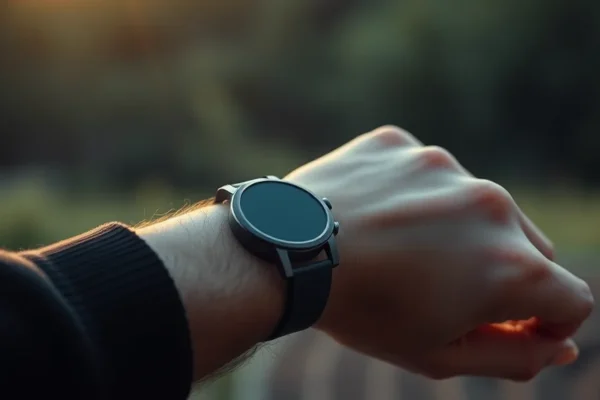
The Rise of Quiet Tech and Minimalist Wearables
If you have ever felt your wrist vibrate for an email you did not need to see, or felt guilty for not closing your fitness rings, you are not alone. We are living through an era of notification overload. Many of us want the health data but hate the constant digital leash that comes with a high-end smartwatch. This is where minimalist wearables come in. These are unobtrusive health trackers—often rings, thin bracelets, or clip-ons—designed to collect health data in the background without needing a screen to distract you.
These devices are for anyone who values their peace of mind as much as their step count. They focus on passive data collection, meaning they work like a silent observer, gathering information while you sleep or walk, then syncing it to an app only when you are ready to look. It is a shift toward quiet tech that prioritizes your mental space while still keeping tabs on your well-being.
Living With Invisible Health Tracking
Minimalist wearables like the Oura Ring or the Whoop strap change how you interact with your body metrics. Because they lack bright, glowing screens, they do not beg for your attention. They live on your finger or wrist, collecting heart rate, sleep quality, and recovery data while you go about your life.
Imagine these scenarios:
- For the busy parent: You are wrangling kids or cooking dinner. A traditional smartwatch would be buzzing with news alerts or social media pings. With a minimalist ring, you simply forget it is there, yet by the end of the day, you can see how much stress your body handled during the chaos.
- For the fitness enthusiast: You want to know if your body is recovered enough for a heavy workout, but you do not want your workout tracked by a screen that invites you to check your calendar mid-run. You focus on your movement, and the device quietly records the data for you to review later.
- For the professional: You are in back-to-back meetings. You do not want to look like you are checking your watch constantly. An unobtrusive tracker keeps your data private and invisible to your coworkers, keeping you focused on the task at hand.
Who Should Consider These Devices
These trackers are best for people who suffer from notification burnout. If you find yourself constantly checking your phone because your watch reminded you to stand up or breathe, this technology is a breath of fresh air. They are also excellent for those who value style and prefer a piece of jewelry over a bulky plastic gadget.
However, skip these if you need real-time data. If you are a runner who needs to see your pace on a screen while you move, or someone who relies on having a GPS map on your wrist, a minimalist tracker will leave you feeling frustrated. They are for reflection, not active guidance.
How They Compare to Traditional Smartwatches
The main competitors in this space are the giants: Apple Watch and Samsung Galaxy Watch. The difference is philosophical. A smartwatch is an extension of your phone—it is designed to bring the world to you. A minimalist wearable is designed to bring your internal state to your phone, but only when you ask for it.
In terms of value, traditional smartwatches often offer more features for the dollar, including apps, calling, and navigation. Minimalist wearables often feel like a “luxury” because you are paying for the lack of distraction and the specialized design. You aren’t paying for more features; you are paying for a quieter, more focused user experience.
Setup and The Learning Curve
Getting started is remarkably easy. Most of these devices pair with a smartphone app via Bluetooth. The setup process usually takes about ten minutes, mostly involving a firmware update and a quick calibration of your personal profile. Because there are no menus or settings to dig through on the device itself, the learning curve is nearly flat.
The only “frustration” users often report is waiting a few days for the device to learn your baseline. These trackers work best when they understand your sleep patterns, so the first week is all about data gathering before you get actionable insights. Do not rush this; let the device do its job quietly.
Real-World Advantages
When you switch to a minimalist tracker, you will notice a few key benefits immediately:
- Better sleep: Without an LED screen lighting up in the middle of the night, you are less likely to be disturbed by accidental alerts.
- Design flexibility: These devices look like standard rings or bracelets, allowing you to wear them in professional or formal settings where a plastic fitness tracker would look out of place.
- Longer battery life: Because they aren’t powering a screen, many of these devices last several days—or even a week—on a single charge.
- Less anxiety: By removing the “notification loop,” many users report feeling less pressured to be “connected” 24/7.
The Honest Drawbacks
Even the best tech has its limits. Keep these in mind before you buy:
- The Subscription Trap: Many minimalist health trackers require a monthly subscription to view your long-term data. This can add up to a significant hidden cost over two or three years.
- Lack of Real-Time Feedback: If you want to know your heart rate while you are in the middle of a CrossFit set, you are out of luck. You will have to wait until you finish to check the app.
- Durability Concerns: Because they are often worn as rings or thin bands, they can be prone to scratches or wear and tear depending on your lifestyle. Check the manufacturer’s warranty carefully.
Price and Long-Term Value
Expect to pay anywhere from $200 to $400 for the device itself. The value proposition here is about quality of life. If you are someone who is stressed by digital clutter, the price is often worth it for the mental quietude. However, always factor in the cost of those monthly subscriptions. If you are on a strict budget, look for models that provide core health data without a recurring monthly fee, even if they offer fewer advanced insights.
Verdict: Should You Buy In
If you are tired of notification overload and want a passive way to monitor your health, minimalist wearables are a fantastic choice. They are best for the “set it and forget it” user who wants to be healthier without living in an app. If you are a high-performance athlete who needs granular data on the fly, stick with a traditional sports watch. For most of us, these devices are the perfect way to embrace technology without letting it take over our day.
Common Questions
Are these minimalist wearables worth the price?
If your goal is to reclaim your attention and track health data unobtrusively, yes. If you are looking for high-end features like GPS navigation or app integration, you will likely feel the value is lacking compared to a standard smartwatch.
How long do these devices last?
Battery life varies by model, but most minimalist trackers last between 4 to 7 days on a full charge. This is a significant improvement over most smartwatches, which often require daily charging.
Do I need an ongoing subscription?
Many of the leading brands, such as Oura and Whoop, require a monthly subscription to access your detailed health trends. Always check the fine print before purchasing, as this is a recurring cost that significantly impacts long-term ownership.
Can I wear them while swimming?
Most modern minimalist trackers are water-resistant and suitable for swimming and showering. However, verify the specific water-resistance rating (usually listed as IPX or ATM) for your chosen model.
Is it difficult to sync the health data?
Syncing is generally automatic. The device uses Bluetooth to send data to your smartphone app whenever they are in range. You do not need to manually trigger a sync, though opening the app will force an update if you want to see the latest stats.
Product prices and availability vary by region. Verify current pricing before purchase.











