A Critical Recall for the Supplement Industry
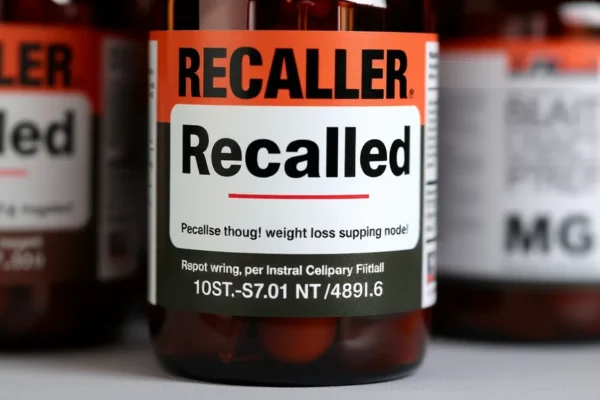
The dietary supplement market faces a significant turning point following a mandatory nationwide recall of a popular weight-loss supplement. The Food and Drug Administration (FDA) issued a severe health warning after discovering the presence of 2,4-dinitrophenol, commonly known as DNP, in the product. DNP is a toxic substance with no legitimate use in food or medicine, yet it has surfaced in illicit weight-loss formulations. This product safety alert highlights the extreme volatility within the unregulated corners of the health and wellness sector.
Understanding the Strategic Rationale Behind the Recall
From a business perspective, a recall of this nature is a defensive measure designed to mitigate catastrophic legal and reputational damage. While companies often frame these actions as voluntary, they are frequently forced by the FDA to prevent permanent brand erosion. The decision to pull products containing an undeclared ingredient like DNP is not merely about consumer health; it is a calculation to survive in a high-scrutiny regulatory environment. By acting quickly, the company attempts to demonstrate a commitment to safety, though the damage to their market positioning is often immediate and deep.
The Competitive Context of Product Safety
In the highly fragmented dietary supplement industry, competitive advantage is often built on brand trust. When a competitor undergoes a major FDA recall, the playing field shifts. Established, compliant brands may gain an advantage as customers flee the compromised product, seeking stability elsewhere. However, the entire sector faces guilt by association. Competitors who adhere to strict quality control measures are now under increased pressure to prove their own supply chain transparency, as regulators are likely to increase the frequency of audits and product testing across the board.
Broader Implications for the Supplement Industry
This incident signals a shift in industry trends. For years, the supplement industry has operated with a degree of leniency compared to the pharmaceutical sector. The presence of toxic substances like DNP forces a re-evaluation of current self-regulation standards. Industry peers are likely to face calls for standardized third-party testing and stricter raw material sourcing requirements. Retailers, including major e-commerce platforms, will likely tighten their onboarding processes for new brands to protect their own platforms from the liability of selling harmful goods.
Financial and Operational Impact
The financial impact of a nationwide recall is usually immediate and severe. Beyond the direct costs of logistics, product destruction, and inventory write-offs, the company faces a loss of customer lifetime value. Long-term profitability is compromised by the inevitable decline in consumer trust. Operationally, the company must now dedicate significant resources to crisis management, legal defense, and potentially a complete overhaul of their quality assurance protocols. Investors should expect a sharp contraction in revenue as retail partners remove the product from shelves and advertising channels suspend support.
Execution Risks and Operational Challenges
The primary execution risk lies in the company’s ability to contain the narrative and verify the safety of their remaining product portfolio. If this recall is seen as part of a larger, systemic failure in their supply chain, the brand may never recover. Historically, supplement companies that lack rigorous, internal control mechanisms struggle to regain market share after a high-profile health warning. The challenge is not just removing the toxic substance; it is convincing the market that the business has the organizational maturity to prevent a recurrence.
Implications for Stakeholders
Employees face a period of extreme uncertainty, as revenue declines often lead to staff reductions and budget freezes. For retail partners, the primary concern is liability and the loss of shelf space dedicated to a non-performing product. Investors are likely to see a drop in valuation as the market prices in the risk of litigation and regulatory fines. Customers, ultimately the most affected, must navigate the confusion of the recall while reassessing their relationship with the brand and the broader category of weight-loss aids.
Outlook and Expected Next Steps
If the company intends to survive, it must go beyond the standard FDA compliance mandate. This means implementing radical transparency measures, such as independent laboratory verification for every batch and public disclosure of supply chain partners. Success will be measured by the company’s ability to stabilize its retail partnerships and rebuild brand equity through verifiable safety records. Analysts will be monitoring the company’s next quarterly earnings report for signs of recovery and the scale of legal expenses incurred during this transition.
Strategic Questions and Answers
What is the core issue behind the weight loss supplement recall?
The primary issue is the presence of an undeclared ingredient, DNP, which is a toxic substance that poses severe, potentially fatal health risks to consumers. The FDA recall serves as an essential regulatory intervention to remove hazardous products from the market and protect public health.
Why did the FDA classify this as a nationwide recall?
A nationwide recall is triggered when a product is deemed to have a significant, widespread risk to consumer safety. The presence of a toxic substance like DNP necessitates an immediate, comprehensive effort to pull the inventory from every sales channel, including brick-and-mortar stores and online marketplaces.
How does an undeclared ingredient impact the business strategy of a brand?
An undeclared ingredient, especially a toxic one, fundamentally breaks the “trust contract” between the brand and the consumer. Strategically, this forces the business to pivot from a growth-oriented mindset to a survival-oriented one, often requiring massive expenditures in legal counsel, PR recovery, and supply chain restructuring.
What can other companies do to avoid such a product safety failure?
Competitors can mitigate these risks by adopting rigorous quality management systems that include constant, third-party testing of raw materials. Proactive transparency, such as posting Certificates of Analysis online, helps brands maintain a competitive advantage by positioning themselves as reliable alternatives to less ethical market participants.
How long until we see measurable outcomes from this recall?
Financial and market outcomes will likely be visible in the next two fiscal quarters. Key indicators to monitor include the stabilization of stock prices, the successful negotiation of legal settlements, and the speed at which the brand is reinstated by major retail distributors.
Business outcomes and strategic success are always subject to execution risk and market volatility. No strategy can guarantee a total recovery following a significant regulatory failure, and the ultimate health of the business will depend on management’s ability to rebuild fundamental processes and restore consumer trust.