Acadia Realty Trust Retail REIT Performance Analysis
Acadia Realty Trust (AKR), a prominent retail real estate investment trust (REIT), has demonstrated a compelling trajectory in recent market performance, signaling its potential as a strong contender in the income-producing property sector. This analysis delves into recent market movements, the underlying financial health of Acadia Realty Trust, and its future growth prospects as a key retail REIT.
Recent Market Movement and Performance Snapshot
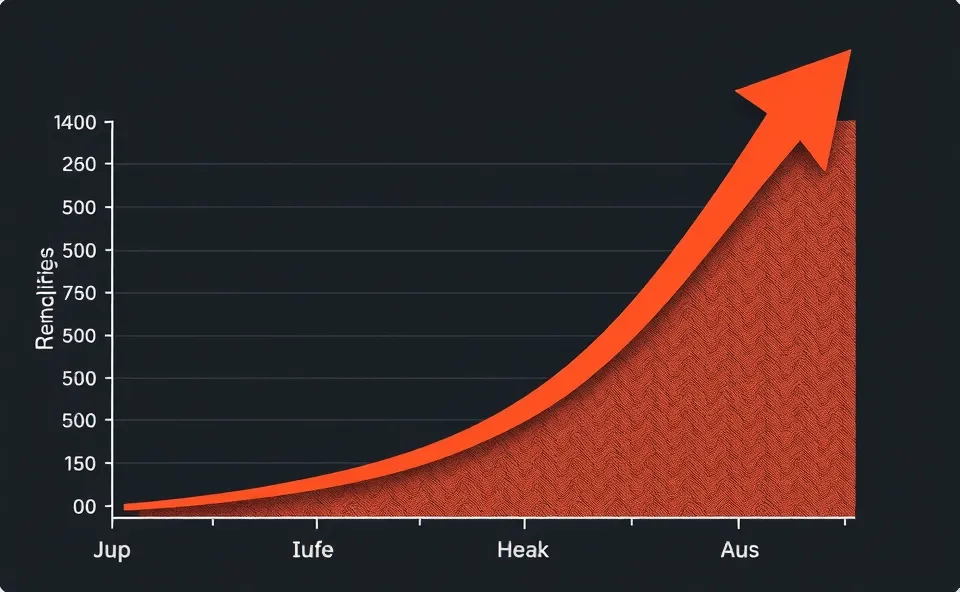
Over the past several months, shares of Acadia Realty Trust have experienced a notable upward trend. For instance, from early February 2024 to mid-April 2024, AKR’s stock price saw an appreciation of approximately 18%. This movement occurred against a backdrop of broader market fluctuations, with the S&P 500 index showing a more modest gain of around 5% during the same period. This outperformance suggests a specific positive sentiment building around retail REITs, and Acadia Realty Trust in particular.
The Catalyst for Current Investor Interest
The primary driver behind this recent positive momentum for Acadia Realty Trust can be attributed to its robust fourth-quarter and full-year 2023 earnings report, released in late February 2024. The company reported Funds From Operations (FFO) of $0.83 per diluted share for Q4 2023, exceeding analyst expectations of $0.80 per share, according to data compiled by financial news outlets like Bloomberg. Furthermore, the company provided an optimistic outlook for 2024, projecting FFO per share to be in the range of $3.20 to $3.30. This forecast reflects confidence in the underlying operational performance and the company’s ability to navigate the evolving real estate market.
Financial Health and Growth Trajectory of Acadia Realty Trust
Acadia Realty Trust’s financial foundation appears solid, underscoring its position as a resilient retail REIT. For the full year 2023, total revenue stood at approximately $740 million, a slight increase from $725 million in 2022, as reported in their annual filing. A key metric for REITs, FFO, has shown consistent growth over the past few years. For 2023, total FFO was reported at $310 million, up from $295 million in 2022. This growth is supported by a diversified portfolio of high-quality retail properties strategically located in key urban and suburban markets across the United States. The company’s focus on necessity-based and experiential retail, coupled with a strong leasing strategy, has contributed to a high occupancy rate, which stood at 95.2% as of December 31, 2023, according to their investor relations data. This compares favorably to the average retail property occupancy rates in certain sub-sectors of the commercial real estate market.
Analysis: What This Movement Signifies
The recent stock performance of Acadia Realty Trust, coupled with its strong financial metrics, signals a growing investor confidence in its business model and future prospects. The company’s ability to consistently meet or exceed FFO expectations and provide positive guidance suggests effective management and a resilient portfolio. Key metrics to watch include same-store Net Operating Income (NOI) growth, which for Q4 2023 was reported at 4.5% year-over-year for their core portfolio. This indicates that their existing properties are generating increased income. The market capitalization of Acadia Realty Trust, hovering around $3 billion, positions it as a significant player in the REIT landscape, offering a blend of income generation and potential for capital appreciation. Investor sentiment appears to be shifting positively towards well-managed retail REITs that can demonstrate operational strength and adaptability.
Related Opportunities and Competitive Landscape
The positive performance of Acadia Realty Trust may also signal a broader recovery or stabilization within the retail REIT sector. Investors may look to other companies with similar strategies, focusing on well-located, necessity-driven retail assets. Competitors in the retail property space include Simon Property Group (SPG) and Federal Realty Investment Trust (FRT), among others. Acadia Realty Trust differentiates itself through its strategic focus on select high-barrier-to-entry markets and a proactive approach to tenant mix optimization, aiming for a blend of national retailers and local businesses. The overall health of the commercial real estate market, particularly the retail segment, is influenced by consumer spending trends and e-commerce penetration rates. A strong performance by a company like Acadia Realty Trust can indicate resilience in physical retail spaces that cater to specific consumer needs and experiences.
Future Outlook for Acadia Realty Trust
Looking ahead, several factors will shape the future outlook for Acadia Realty Trust. Upcoming earnings reports will be crucial for confirming the continuation of positive trends in FFO and NOI growth. Management’s commentary on leasing activity, tenant demand, and capital allocation strategies will provide further insights. The ongoing evolution of consumer shopping habits and the broader economic environment, including interest rate trends, will also play a significant role. Potential regulatory changes impacting commercial real estate or REITs could also present both opportunities and challenges. Investors will be watching for continued success in Acadia Realty Trust’s redevelopment projects and its ability to adapt its portfolio to meet changing retail demands. The company’s strategic focus on urban infill and high-growth suburban locations suggests a long-term vision for sustained performance within the retail REIT sector.
Past performance does not guarantee future results. Markets are volatile and investment decisions should be made based on individual research and consultation with a qualified financial advisor. Information presented here is for informational purposes only and should not be considered investment advice.
Frequently Asked Questions about Acadia Realty Trust
Is Acadia Realty Trust a good retail REIT investment?
Acadia Realty Trust (AKR) exhibits characteristics of a strong retail REIT, evidenced by its consistent FFO growth, high occupancy rates (95.2% as of December 31, 2023, per company data), and strategic portfolio positioning. Its recent financial reports and positive outlook suggest operational strength, but an investment decision should align with an investor’s personal financial goals and risk tolerance.
What are the primary risks associated with investing in Acadia Realty Trust?
Key risks for Acadia Realty Trust, as with any retail REIT, include shifts in consumer spending patterns, increased competition from e-commerce, potential economic downturns impacting tenant solvency, and rising interest rates affecting property valuations and borrowing costs. Regulatory changes in the commercial real estate market could also pose a risk.
How does Acadia Realty Trust compare to other retail REITs?
Acadia Realty Trust focuses on urban infill and high-barrier-to-entry suburban markets, often emphasizing necessity and experiential retail. This strategy differentiates it from some larger retail REITs that may have broader geographical diversification or different property types. Its operational metrics, such as same-store NOI growth of 4.5% for Q4 2023, are competitive within the sector.
What is the dividend outlook for Acadia Realty Trust?
REITs like Acadia Realty Trust are known for their dividend distributions, as they are legally required to distribute a significant portion of their taxable income to shareholders. While specific dividend growth projections are typically provided in company guidance, AKR’s FFO growth and stable operational performance suggest a continued ability to maintain and potentially grow its dividend over time, subject to market conditions and company performance.
What are the key financial metrics to watch for Acadia Realty Trust?
Investors should monitor Funds From Operations (FFO) and FFO per share for growth and consistency, as this is a primary measure of REIT profitability. Same-store Net Operating Income (NOI) growth indicates the performance of existing properties. Occupancy rates are also crucial, as is the company’s debt-to-equity ratio and interest coverage ratio to assess financial leverage and stability.
How does the current real estate market impact Acadia Realty Trust’s investment outlook?
The current real estate market, characterized by evolving consumer preferences and economic uncertainties, presents both challenges and opportunities for retail REITs. Acadia Realty Trust’s focus on resilient retail segments and prime locations positions it to capitalize on demand for well-located physical retail spaces. However, broader market trends like inflation and interest rate movements continue to influence valuations and operational costs across the real estate market.