

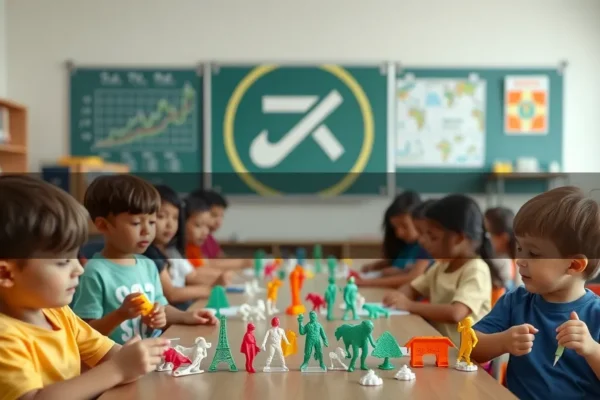
A Plastic Promise or Propaganda? Inside the Plastics Industry’s Push into School Curricula
The materials that shape our modern world, from the devices in our pockets to the packaging protecting our food, are often made of plastics. But how are the next generation learning about this ubiquitous material? A growing controversy centers on the plastics industry, specifically its involvement in creating educational materials for schools. Critics argue that these lesson plans, often presented as neutral science education, are in fact carefully crafted pieces of corporate influence, designed to shape public perception and downplay the environmental impact of plastics.
At the heart of the debate are initiatives by major plastics trade groups and individual companies to provide free lesson plans, activity kits, and even teacher training to K-12 schools. These resources aim to educate students about the science, uses, and benefits of plastics. However, a closer examination reveals a pattern of emphasizing positive aspects while minimizing or omitting critical discussions about plastic pollution, the challenges of recycling, and the long-term environmental impact. This strategy has drawn sharp criticism from environmental advocates, educators, and scientists who fear it amounts to propaganda infiltrating the classroom.
The primary keyword in this discussion is the plastics industry‘s engagement with education. While proponents argue they are simply filling a void and providing valuable STEM resources, opponents see a deliberate attempt to influence curriculum and public opinion, akin to historical efforts by other industries to control narratives about their products. The stakes are high, impacting not only how children understand science but also their future attitudes towards consumption, waste, and the policies that govern plastics production and disposal.
What’s Inside the Classroom Kits?
The educational materials provided by organizations like the American Chemistry Council (ACC), through initiatives like its “Plastics: Shaping Our World” program, and various regional plastics associations, often focus on the science behind polymer creation and the versatility of plastics. Common themes include how plastics are used in medicine, technology, and everyday life, highlighting their role in innovation and convenience. Activities might involve students designing and testing their own plastic products or learning about the chemical properties that make plastics useful.
For instance, the ACC’s resources frequently emphasize the lightweight nature of plastics, which can contribute to fuel efficiency in vehicles, and their durability, which can reduce food waste by extending shelf life. These are undeniably true benefits. However, critics point to a consistent lack of depth when addressing the downsides. Discussions about microplastics, the persistence of plastic waste in oceans and landfills, and the complexities and low rates of actual plastic recycling are often absent or presented in a way that shifts blame away from producers and towards consumers or inadequate waste management infrastructure.
The problem, according to critics like those from the advocacy group Center for Countering Digital Propaganda, is not necessarily that the information presented is false, but rather that it is deliberately incomplete. This selective presentation of facts, they argue, is designed to foster a positive association with plastics from a young age, thereby influencing future attitudes and potentially hindering the adoption of stricter regulations or alternative materials. This is a classic example of corporate influence at play, where industry funding and messaging subtly shape the narrative within publicly funded institutions like schools.
How the Messaging Takes Root
The mechanism by which these materials influence public perception is rooted in the very nature of education. Children, particularly younger ones, are often less equipped to critically evaluate information presented by authority figures, including teachers, or in formally prepared educational materials. When science lessons present plastics primarily through the lens of innovation and utility, without robust coverage of their environmental consequences, students can develop a skewed understanding. Think of it like learning about a powerful new tool but only being told about its amazing capabilities without any mention of the safety precautions needed for its operation or the potential for misuse. The result is an incomplete and potentially dangerous understanding.
Furthermore, these industry-backed resources often come with attractive supplements like free samples, experiments, and sometimes even grants or sponsorships for teachers. This economic incentive can make them particularly appealing to underfunded schools or educators looking for engaging ways to teach science. The industry lobbying efforts are often multi-faceted, extending beyond curriculum materials to influence policy and public discourse. Providing educational content is a long-term strategy that aims to build goodwill and create a foundation of understanding that is favorable to the industry’s interests.
The core of the strategy involves framing the plastics industry as a solution provider rather than a problem contributor. By focusing on the science and benefits, they aim to create a narrative where innovation in plastics is seen as purely positive, and challenges like pollution are framed as solvable technical issues or the fault of individual behavior rather than systemic problems related to production volumes and material design.
Current Reach and Real-World Impact
The reach of these educational initiatives is significant, with many plastics industry trade associations actively promoting their materials to school districts across the United States and internationally. Websites are dedicated to providing resources, and representatives often engage in direct outreach to educators and administrators. This effort has been ongoing for years, with various iterations and expansions. While specific adoption rates are difficult to quantify precisely, the widespread availability and marketing of these materials suggest a considerable presence in science education in numerous schools.
Companies like Dow, ExxonMobil, and LyondellBasell, along with their associated trade groups, are key players in this space. They often present their contributions as purely philanthropic and educational endeavors. For example, initiatives like “Operation Clean Sweep,” which aims to prevent plastic pellet loss into the environment, are often highlighted in educational materials, framing the industry as proactive in addressing pollution. However, critics argue that such voluntary programs, while having some merit, are insufficient to tackle the scale of the plastic crisis without more stringent regulation and a fundamental shift in production and consumption patterns.
The maturity level of this form of industry engagement in education is well established. It is not a nascent technology or a beta program; it is a long-standing, well-funded, and actively promoted strategy. The availability is broad, often accessible online for free, and directly offered to schools, making it a readily available option for educators seeking supplementary materials.
The Competitive Arena of Curriculum Influence
The landscape of curriculum development is inherently competitive, with various stakeholders vying for influence. Environmental organizations, governmental agencies, academic institutions, and independent educational non-profits also create and distribute educational materials. These groups often present a more critical perspective on plastics, focusing on sustainability, the circular economy, and the need for reduction. For instance, organizations like the Surfrider Foundation offer educational programs that highlight the impact of plastic pollution on marine ecosystems.
The advantage of the plastics industry in this arena often lies in its substantial financial resources and organized lobbying efforts. They can produce high-quality, polished materials and invest in marketing and outreach to ensure their resources are seen by educators. Their approach is to frame themselves as part of the solution, offering technical and scientific knowledge that is essential for understanding modern materials. This differentiates them from more advocacy-focused groups by presenting themselves as neutral providers of scientific fact.
However, competitors like environmental non-profits often possess a different kind of advantage: credibility with segments of the public and educators who are already concerned about the environmental impact of plastics. Their messaging resonates with a desire for comprehensive understanding, including the challenges and potential harms, not just the benefits. The core difference lies in the intent: industry materials often aim to foster acceptance and understanding of the status quo, while critical materials aim to promote change and awareness of problems.
Shaping Perceptions and Future Policies
The implications of the plastics industry’s involvement in education are far-reaching. In the short term, it can lead to a generation of students who have a more positive and less critical view of plastics, potentially influencing their consumer choices and their willingness to support stricter environmental regulations. This subtle shaping of public perception can have significant economic implications by indirectly supporting the continued growth of the plastics market and delaying shifts towards alternative materials or business models.
Socially, this raises concerns about educational integrity. When the curriculum is influenced by commercial interests, the quality and objectivity of education can be compromised. It can also exacerbate the already significant divide in public opinion regarding environmental issues. If schools are consistently presenting a one-sided view, it becomes harder for informed public discourse and policy decisions to emerge.
In the long term, this strategy could hinder the transition to a truly sustainable economy. If future innovators, scientists, and policymakers are educated with materials that downplay the environmental crisis posed by plastics, it could slow down the development and adoption of necessary solutions, such as advanced recycling technologies, biodegradable alternatives, or policies that mandate reduced plastic production. The school funding and resource allocation can also be indirectly influenced, as schools that heavily rely on industry-provided materials might become more hesitant to adopt curricula that are critical of their benefactors.
The Gaps in the Plastic Promise
Despite the polish and accessibility of industry-provided educational materials, significant limitations and challenges remain. The most prominent bottleneck is the inherent conflict of interest. The plastics industry‘s primary goal is to sell more plastics. Therefore, educational materials produced with their funding are likely to reflect this objective, consciously or unconsciously. This leads to an overemphasis on benefits and a downplaying of detriments.
Technically, the materials often fail to adequately address the complexities of plastic recycling. While students might learn about the recycling symbol, they often don’t grasp the economic and technical realities that result in low actual recycling rates for many types of plastics. The challenges of mixed materials, contamination, and the degradation of plastic quality after recycling are rarely explained in detail. Furthermore, the long-term environmental impact, including the pervasive issue of microplastics entering ecosystems and the food chain, is often given only cursory attention or framed as a minor, solvable problem.
Adoption barriers for alternative, more critical educational approaches can also exist. Educators might face pressure to use readily available, free resources. Moreover, pushing for a more critical curriculum can sometimes be perceived as challenging the established order, which might not always be welcomed, especially in systems that prioritize standardized testing and conformity. The current limitations mean that a truly comprehensive and objective understanding of plastics requires educators and students to seek out additional sources and actively question the narratives presented in industry-funded materials.
The Evolving Landscape of Plastics Education
The future trajectory of this issue will likely involve continued engagement from the plastics industry, but also a growing counter-movement demanding more balanced and critical educational content. We can expect to see more research and advocacy from environmental groups and independent educators highlighting the need for a holistic understanding of plastics, encompassing their full lifecycle and impact. Expect to see continued development of alternative curricula that focus on the principles of a circular economy, sustainable materials science, and effective waste reduction strategies.
Key developments to watch include increased scrutiny of industry-funded educational materials by curriculum review boards and teacher associations. There may also be greater demand for transparency regarding the funding sources of educational content. The timeline for significant shifts will depend on public pressure, regulatory changes affecting the plastics industry, and the willingness of educational institutions to prioritize critical thinking and environmental stewardship in their science education programs.
While the plastics industry will undoubtedly continue to promote the benefits of its products, the growing awareness of plastic pollution and its environmental consequences suggests that a more nuanced and critical approach to educating students about this material is not only necessary but inevitable. The challenge lies in ensuring that science education provides students with the tools to critically evaluate information, regardless of its source, and to make informed decisions about the materials that shape their world.
Frequently Asked Questions
What is the main controversy surrounding the plastics industry and school lesson plans?
The controversy is that plastics industry groups provide educational materials to schools, which critics claim are designed to promote the industry’s interests and downplay the environmental impact of plastics, essentially acting as propaganda rather than neutral science education.
Why is the plastics industry providing lesson plans to schools?
The plastics industry states it aims to educate students about the science, innovation, and benefits of plastics, filling a need for STEM resources. Critics argue it’s a strategic effort for corporate influence and to shape public perception.
What do critics say is missing from these lesson plans?
Critics argue that industry-provided lesson plans often omit or minimize crucial discussions about the full environmental impact of plastics, including pollution, microplastics, and the limitations of recycling.
How does this industry influence affect curriculum?
When schools adopt industry-provided materials, the curriculum can inadvertently reflect the industry’s perspective, potentially leading students to develop a more favorable view of plastics without fully understanding the associated challenges.
Is this a new tactic for the plastics industry?
No, this is not a new tactic. The plastics industry has a long history of engaging in public relations and educational outreach to promote its products and influence public opinion and policy.
What are the alternatives to industry-provided lesson plans?
Alternatives include materials developed by environmental organizations, academic institutions, and independent educational bodies that offer a more critical and comprehensive perspective on plastics and their environmental impact.
It is important to note that the claims and perspectives presented in this article are based on ongoing public discourse and critical analysis of materials and strategies employed by the plastics industry. Further research into the specific content of various educational resources and their adoption rates would provide deeper insights into the scope and impact of these initiatives.











