

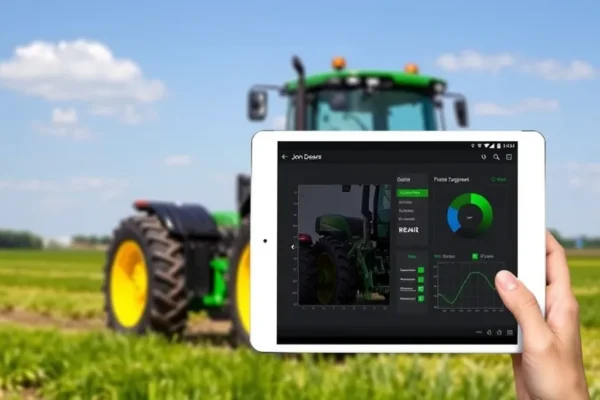
Getting Under the Hood of the John Deere Self Repair Initiative
For decades, owning a tractor meant you were the master of its maintenance. You grabbed a wrench, opened the manual, and fixed whatever broke in the field. But as modern farm machinery became giant computers on wheels, that freedom hit a wall of digital locks. The John Deere self-repair program is the company’s answer to the growing Right to Repair movement, aimed at helping farmers regain control over their own equipment ownership.
In simple terms, this program provides farmers with access to the same diagnostic software, manuals, and tools that dealership technicians use. It is designed for the modern operator who wants to cut down on downtime during critical harvest seasons without waiting for a dealer service truck to arrive. Whether you are managing a massive commercial operation or a smaller family farm, this initiative is shifting how we think about agricultural technology.
Real World Use and Daily Field Maintenance
Imagine you are in the middle of planting season and your tractor dashboard lights up like a Christmas tree. In the past, you would have to park the machine and wait days for a technician to plug in their proprietary laptop. With John Deere self-repair tools, the process changes significantly.
If you are a farmer managing a busy household and multiple fields, you would use the Customer Service Advisor tool to run a diagnostic test right in the barn. You identify the faulty sensor, order the part, and install it yourself. It feels like running a health check on your car with a plug-in scanner, only much more powerful. It transforms the tractor from a “black box” that requires an expert to a machine you can actually troubleshoot yourself.
Who Should Look Into This Program
This program is best for tech-savvy farmers who already have experience with engines and basic mechanical systems. It is also a solid choice for large-scale operations where the cost of a parked tractor during harvest is far higher than the cost of diagnostic software.
However, you should probably skip this if you are uncomfortable with software updates, complex digital menus, or high-end technical troubleshooting. If you prefer the peace of mind that comes with a professional warranty and a dealer service guarantee, sticking with traditional dealership support is likely the smarter play.
How This Compares to Independent Solutions
The landscape for DIY tractor repair is crowded. Beyond the official tools, there is a thriving underground community using third-party, often “hacked” versions of diagnostic software to bypass John Deere software restrictions. These independent alternatives are often cheaper and less restrictive, but they come with zero official support and risks of voiding your warranty.
The official program offers a “clean” path. It is more expensive and requires jumping through specific software authorization hoops, but it ensures your repairs are documented and won’t brick your tractor’s complex computer systems. You are essentially paying for the safety of an official ecosystem versus the wild west of aftermarket tools.
Setup and the Learning Curve
Getting started is not as simple as downloading an app on your phone. You need to purchase specific hardware, register your equipment, and navigate a user interface that was originally designed for professional dealership mechanics. There is a definite learning curve. Expect to spend a few hours reading through setup guides and getting comfortable with the navigation before you are ready to perform your first real-world repair. If you aren’t familiar with digital diagnostic tools, it can feel intimidating at first.
Genuine Advantages for the Modern Farmer
- Reduced Downtime: You can diagnose problems immediately rather than waiting for a service appointment.
- Better Understanding: You get a deeper look into how your equipment performs, which helps with long-term maintenance.
- Cost Efficiency: By handling minor repairs yourself, you save on the expensive travel and labor fees charged by dealers.
- Ownership Empowerment: It fulfills the promise of equipment ownership, allowing you to work on your property on your own terms.
Drawbacks and Known Frustrations
- Software Hurdles: Users often report frustration with the activation process and the constant need to stay connected to official servers.
- High Upfront Cost: The specialized hardware and software licenses require a significant investment that may take years to pay off.
- Complexity: Many repairs still require specialized physical tools beyond just the software, meaning the program is not a “magic fix” for every problem.
Price and Value Breakdown
The cost of entry for official John Deere self-repair can be steep. Between the price of the diagnostic software license and the required hardware, you are looking at an investment that starts in the hundreds and can quickly climb into the thousands. For a casual owner, this is rarely worth it. For a large farm, it is an insurance policy against lost time. If your equipment is older or out of warranty, the value proposition leans toward the DIY route, but for newer, tech-heavy machines, the initial price is essentially a long-term business expense.
The Verdict on Right to Repair
The John Deere self-repair initiative is a massive step forward for the industry, but it isn’t perfect. It is best for farmers who have the time to learn the software and the budget to invest in official tools. It provides a legal, safe way to keep your machinery running, which is a major win for those tired of waiting on service providers. If you are a casual hobbyist, wait until the tools become more user-friendly and affordable. If you run a business that depends on uptime, this is a tool that finally puts the control back in your hands.
Common Questions About Agricultural Technology
Is it worth the price for a small family farm?
Generally, no. The high cost of official diagnostic tools is better suited for commercial farms that lose significant money when a tractor is down for several days.
Do I need specialized technical skills for DIY tractor repair?
You need a baseline level of comfort with technology and mechanics. If you can handle basic PC troubleshooting and engine maintenance, you can likely learn the software.
Can I repair everything on my tractor with these tools?
No. The official program covers many common diagnostic and repair tasks, but major engine rebuilds or complex transmission issues may still require a certified dealer technician.
How does this impact my warranty?
Using official tools and following the provided repair procedures generally keeps your warranty intact, which is a significant advantage over using third-party hacking tools.
Is there a way to use these tools without a constant internet connection?
The system is heavily integrated with Deere’s servers for authentication, meaning you will need a reliable connection to set up and authorize your diagnostic sessions.
Product prices and availability vary by region. Verify current pricing before purchase.











