

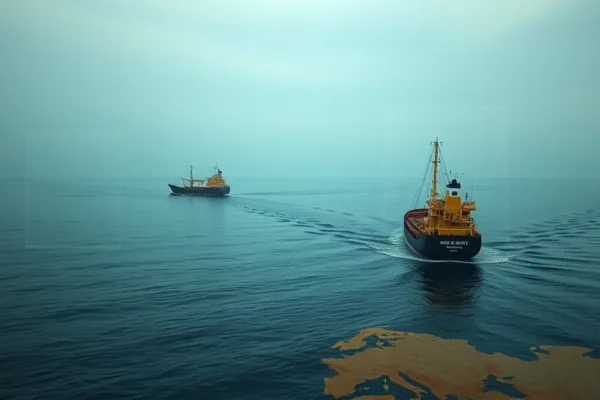
The Vanished Gulf Cargo Trade Understanding the Impact on Global Supply Chains
Imagine your favorite online store. You click “buy,” and a few days later, the package arrives. Simple, right? But behind that convenience is a massive, complex network called a supply chain. It’s how goods move from where they’re made to where you are. One crucial pathway for many of these goods has been the Gulf cargo trade, specifically navigating the vital Strait of Hormuz. Recently, this trade has faced significant disruptions, almost as if a major highway suddenly closed. Understanding why this “vanished” Gulf cargo trade matters is key to grasping the fragility of our global economy and how it can affect your own finances.
How the Gulf Cargo Trade Works
Think of the Strait of Hormuz like a narrow, busy canal connecting two vast oceans of commerce. It’s a critical maritime chokepoint, a place where a huge volume of global shipping passes through a very confined area. For decades, this route has been essential for transporting oil, natural gas, and a wide array of manufactured goods between the Middle East and the rest of the world, particularly Asia and Europe.
Here’s a simplified picture: A factory in China produces electronics. These are loaded onto a cargo ship. The ship sails across the ocean, and to reach markets in Europe, it must pass through the Persian Gulf and the Strait of Hormuz. If shipping routes through this strait become risky or impossible, this ship might have to take a much longer, more expensive detour. This isn’t just about one ship; imagine thousands of ships carrying everything from crude oil that fuels our cars to the parts needed for our smartphones, all trying to use this same narrow passage. When that passage becomes a problem, the entire flow of goods, known as cargo shipping, grinds to a halt or slows dramatically. This creates a “supply chain disruption.”
Why a Disrupted Gulf Cargo Trade Matters to You
When the Gulf cargo trade falters, the ripple effect reaches far beyond the shipping industry. For individuals, this disruption can mean higher prices for everyday goods. Think of it like a popular item at your local market suddenly becoming scarce. When demand stays the same but the supply shrinks, prices tend to climb. This is a direct contributor to inflation, which is the general increase in prices and fall in the purchasing value of money.
Economically, this affects everyone. For businesses, it means increased costs for raw materials and finished products. This can lead to lower profits, potential job losses, or fewer new hires. Countries that heavily rely on imports or exports passing through this route face significant economic impact. For instance, countries dependent on oil imports could see fuel prices soar, affecting transportation and energy costs for households and businesses alike. On the flip side, some regions might see benefits if alternative shipping routes open up and become more competitive, potentially boosting their own economies and creating new trade corridors. However, the immediate effect is often negative, creating uncertainty in global shipping and trade.
Historical and Current Context of the Gulf Cargo Trade
The importance of the Strait of Hormuz as a global shipping artery has been recognized for decades, particularly with the rise of oil production in the Middle Eastern countries. It became a cornerstone of global maritime logistics. However, its strategic location also makes it a focal point for geopolitical tensions.
In recent years, heightened geopolitical tensions in the Middle East have repeatedly threatened this vital trade route. Incidents involving naval vessels, sanctions, and political instability have made shipping companies more cautious. According to the U.S. Energy Information Administration, a significant portion of global oil consumption (around 20% of petroleum liquids) transits the Strait of Hormuz annually. Any threat to this flow directly impacts global energy markets. This increased risk has led to “phantom” or “vanished” cargo movements through the strait as companies reroute or halt shipments to avoid potential danger or delays, making the expected flow of goods much lower than normal. This current interest is driven by the persistent nature of these threats and their tangible effect on the global economy.
Practical Implications for Financial Thinking
When you hear about disruptions to the Gulf cargo trade or any major shipping routes, it’s a signal to pay attention to your own finances. It means the cost of many things you buy might increase. This is a good time to review your budget and see where you can cut back if necessary. It also highlights the importance of diversified investments; relying on a single type of asset or market can be risky when global events cause widespread economic impact.
A common misconception is that these global events are too far away to affect personal finances. However, the reality of interconnected global supply chains means that a problem in the Strait of Hormuz can eventually lead to higher prices at your local grocery store or increased heating bills. What to watch for includes news about shipping insurance costs rising, major oil price spikes, or delays in the arrival of goods you typically purchase. Understanding that alternative routes are being explored, such as new land-based trade corridors or expanded shipping through other regions, can offer insights into future economic shifts.
Related Concepts in Finance and Economics
Understanding the disruption to the Gulf cargo trade connects to several other important financial concepts. Inflation is a direct consequence, as we’ve discussed. Geopolitics plays a huge role; political instability in one region can have profound economic consequences elsewhere. The concept of risk management becomes crucial for businesses and investors alike when dealing with volatile shipping routes and supply chain disruption. Furthermore, understanding global trade agreements and international relations helps explain why such chokepoints are so sensitive. When analyzing the global shipping industry, concepts like freight rates (the cost of transporting goods by sea) and maritime logistics efficiency are directly impacted.
Common Questions About the Vanished Gulf Cargo Trade
Here are some common questions people have when they hear about disruptions to major shipping routes like the Gulf cargo trade:
- How does the vanished Gulf cargo trade affect inflation?
When essential shipping routes are disrupted, it becomes more expensive and takes longer to transport goods. This scarcity and increased cost of goods directly contribute to higher prices, which is inflation.
- Can individuals directly influence the Gulf cargo trade or global shipping routes?
Individuals cannot directly control these large-scale global operations. However, consumer choices and advocating for stable international relations can indirectly influence global trade dynamics over the long term.
- What are the risks associated with relying heavily on the Strait of Hormuz for trade?
The primary risks include geopolitical tensions leading to blockades or attacks, environmental disasters, and natural chokepoints creating bottlenecks that can halt trade.
- How are companies seeking alternative routes to mitigate supply chain disruption?
Companies are exploring longer sea voyages, utilizing different ports, investing in overland transport like rail and road, and developing more resilient, diversified supply chain strategies.
- What is the economic impact of the Strait of Hormuz being closed or severely restricted?
A severe disruption would lead to significant increases in oil prices, higher shipping costs for all goods, potential shortages of imported products, and widespread economic slowdown or recession globally.
- Does this situation affect the price of goods I buy online?
Yes, it can. If the goods you buy rely on components or finished products shipped through the Gulf, increased shipping costs or delays will eventually be passed on to consumers in the form of higher prices.
Disclaimer: This article is for educational purposes only and does not constitute financial advice. Financial situations vary widely based on individual circumstances. Always consult with a qualified financial professional before making any financial decisions.











