

“`html
Understanding Retail Shifts: Why Zumiez is Closing Stores
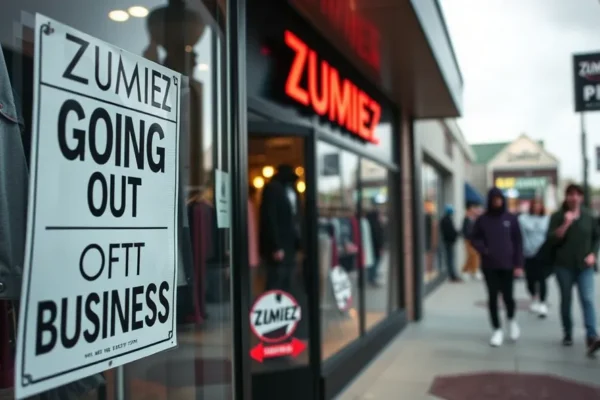
Have you noticed more empty storefronts in shopping malls lately? It’s a trend affecting many businesses, and one well-known name experiencing this is Zumiez. Zumiez, a retailer that has been around for nearly 50 years, is known for its clothing and accessories aimed at teens and young adults. Recently, news about Zumiez closing stores has surfaced, sparking questions about what’s happening in the world of teen fashion and retail. Let’s explore the reasons behind these closures and what they tell us about the changing landscape of shopping.
The Core Concept: Retail Footprint and Market Adaptability
At its heart, a company’s “retail footprint” refers to the number and location of its physical stores. Think of it like a baker deciding how many ovens they need. If the baker suddenly sees fewer people buying bread in a specific neighborhood, they might decide to close that oven (or store) to save money and focus on where customers are actually buying. Similarly, when a retail company like Zumiez closes stores, it’s often a sign that their existing footprint isn’t as effective as it used to be. This relates directly to a company’s ability to adapt to market changes.
Understanding this is important because it impacts the economy, jobs, and the very places we shop. When businesses adapt well, they can thrive, creating opportunities. When they struggle to adapt, it can lead to job losses and a less vibrant shopping environment. This concept helps us understand why businesses make tough decisions about their physical presence.
How Changing Tastes and Trends Reshape Retail
Imagine you have a favorite type of candy that’s popular with your friends. You might have a shop dedicated to selling just that candy. Now, what if suddenly everyone starts liking a different candy? Your shop, which was once successful, might find itself with fewer customers because the demand for that specific candy has dropped. This is similar to how changing sneaker trends and broader youth fashion preferences can impact a retailer like Zumiez.
Zumiez built its brand around specific styles and brands popular with younger generations. For years, this meant items like skatewear, graphic tees, and certain types of sneakers. However, the world of youth fashion is constantly evolving. What’s cool today might be outdated tomorrow. For example, if a particular sneaker brand or style that Zumiez heavily stocks suddenly falls out of favor with teenagers, and a new, dominant sneaker trend emerges that Zumiez doesn’t cater to as strongly, sales can suffer.
Let’s say, hypothetically, that in the early 2010s, chunky skate shoes were the big thing. Zumiez would stock them. But by the late 2010s, sleeker, more minimalist athletic shoes became the trend. If Zumiez didn’t shift its inventory quickly enough to match this new sneaker trend, customers looking for those specific shoes might go elsewhere. This shift in consumer preference, driven by evolving youth culture and rapid information sharing via social media, forces retailers to constantly reassess their offerings.
Why This Matters to Your Finances and the Economy
For individuals, the struggles of a retailer like Zumiez highlight shifts in consumer spending. If you or someone you know frequently shopped at Zumiez, its closure means losing a familiar shopping destination. It also reflects broader changes in how and where people buy goods. The rise of online shopping, often called e-commerce, has significantly impacted traditional brick-and-mortar stores, especially those located in shopping malls. Many consumers now prefer the convenience of browsing and buying from home, which affects the revenue of physical stores and can lead to a retail decline in traditional shopping centers.
Economically, store closures can have ripple effects. They can lead to job losses for retail workers, from sales associates to store managers. This can impact local economies, especially in areas heavily reliant on mall traffic. Furthermore, a significant number of store closures can signal broader economic challenges or a necessary adjustment within an industry, such as the fashion industry.
Companies that successfully adapt to these trends, perhaps by strengthening their online presence or offering products that align with new youth fashion demands, are more likely to succeed. Those that don’t risk becoming a part of the growing list of companies facing difficulties or, in extreme cases, retail bankruptcy.
The Evolution of Teen Fashion Retail and Mall Stores
Zumiez has been a fixture in youth fashion for decades, opening its first store in 1978. For much of its history, shopping malls were the primary hubs for teen retail. They offered a contained environment where young people could socialize, shop for the latest trends, and hang out. Retailers like Zumiez thrived in this ecosystem, providing the specific brands and styles that defined youth culture at the time. These were often “mall stores” catering to a captive audience.
However, the retail landscape has dramatically changed. The internet has made information and products accessible globally, and e-commerce has offered unparalleled convenience. According to the International Council of Shopping Centers (ICSC), the retail industry has seen significant shifts, with a notable increase in online sales and a corresponding decrease in foot traffic for many physical stores, particularly those in enclosed malls. For instance, data from Coresight Research indicated a substantial number of retail store closures across the US in recent years, a trend exacerbated by changing consumer habits and the economic impacts of global events. The core of the issue is the evolution of where and how consumers, especially young ones, discover and purchase their fashion, including the fluctuating popularity of sneaker trends.
Practical Implications for Consumers and Investors
For consumers, understanding these shifts means recognizing that the way we shop is evolving. If you enjoy the experience of physical stores, it’s worth supporting those that offer unique products or excellent service. If you’re a shopper who has moved primarily online, you’ve likely benefited from greater convenience and choice. When you see news about Zumiez closing stores, it’s a reminder to consider how your own shopping habits align with the current retail environment.
For those interested in investing, or simply understanding the business world, these trends are crucial. A company’s ability to adapt its business model—whether by enhancing its online platform, diversifying its product lines, or finding new ways to engage customers—is a key indicator of its long-term viability. A common misconception is that physical stores are doomed entirely. While many are struggling, others are finding success by offering unique in-store experiences or integrating seamlessly with their online operations. The key is not simply having a store, but having the right stores in the right places, offering the right products at the right time.
When observing the fashion retail sector, watch for companies that are agile. Are they quick to respond to emerging sneaker trends? Do they have a strong presence on social media, where much of today’s youth culture is shaped? These are indicators of adaptability.
Connecting Retail Closures to Broader Economic Concepts
The challenges faced by Zumiez are not isolated incidents. They are interconnected with several broader economic concepts. Retail decline is a symptom of changing consumer behavior, often driven by technological advancements like the internet and mobile devices, which foster the growth of e-commerce. This shift impacts employment in the retail sector, affecting job creation and potentially influencing wage levels for remaining positions. The concentration of retail activity in fewer, more efficient locations or online platforms can also lead to discussions about market concentration and competition.
Furthermore, the dynamics of youth fashion and the rapid pace of trends, especially visible in categories like sneakers, demonstrate the concept of market segmentation and rapid product life cycles. Understanding the fashion industry‘s response to these shifts helps illuminate how businesses must constantly innovate to remain relevant. This is also linked to the concept of “creative destruction,” where new business models and products emerge, leading to the decline of older ones, a phenomenon often discussed in economics.
Frequently Asked Questions About Zumiez and Retail Trends
- Why are Zumiez closing stores? Zumiez is closing stores due to a combination of factors, including a shift in teen fashion preferences, increased competition from online retailers, and the broader challenges facing traditional mall-based retail.
- How do changing sneaker trends affect businesses like Zumiez? Evolving sneaker trends are crucial for retailers targeting youth fashion. If a company like Zumiez doesn’t stock the brands and styles that are currently popular, it risks losing customers to competitors who do.
- Is this a sign of general retail bankruptcy? While some retailers do face bankruptcy, Zumiez’s situation is more about adapting its physical presence and product offerings to a changing market. It reflects a broader trend in fashion retail rather than an isolated case of imminent bankruptcy.
- What is the impact of mall stores closing on the economy? The closure of mall stores can lead to job losses, reduced local tax revenue, and can affect the overall vibrancy and foot traffic of shopping centers, impacting other businesses within them.
- How has youth culture influenced this retail decline? Modern youth culture is heavily influenced by social media, which accelerates trend cycles and creates demand for specific brands and styles, including those related to streetwear and sneakers, pushing retailers to adapt quickly.
- What can consumers learn from Zumiez closing stores? Consumers can learn about the evolving retail landscape and the importance of adaptability in businesses. It also highlights how consumer choices, including where and how we shop, directly influence the survival of retail businesses.
Disclaimer: This article provides general educational information and does not constitute financial advice. Financial situations are unique, and decisions should be made in consultation with a qualified financial professional. Past performance is not indicative of future results, and all investments carry risk.
“`











