

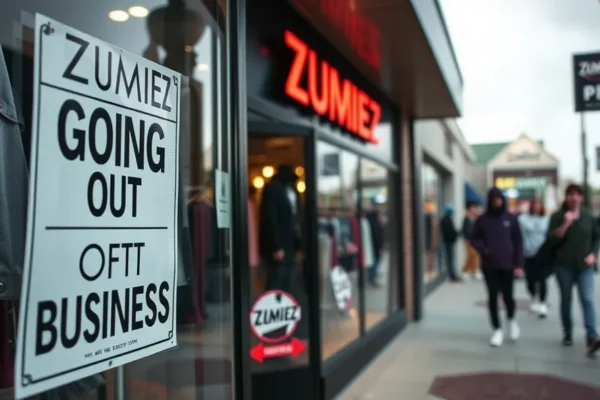
The Shifting Tides of Teen Fashion and Why Zumiez is Closing Stores
Have you noticed fewer familiar stores in your local shopping mall? Perhaps you’ve seen news about retailers making changes. One such story involves Zumiez, a retailer that has been a part of the teen fashion landscape for decades. Understanding why companies like Zumiez are closing stores and what influences these decisions can offer valuable insights into the broader economy and the fashion industry.
What is Retail Decline and Why Does It Happen?
Retail decline refers to a period where a retail business experiences a sustained drop in sales, profits, and market share. Think of it like a popular restaurant suddenly seeing fewer customers walk through its doors. This doesn’t happen overnight; it’s usually a sign that something fundamental has shifted.
People care about understanding retail decline because it impacts jobs, local economies, and the availability of goods and services we rely on. When major retailers struggle, it can affect the communities where their stores are located and even the companies that supply them. This concept is crucial for understanding consumer behavior and economic health.
How Changing Consumer Habits Reshape Retail
The story of Zumiez closing stores is a prime example of how changing consumer habits and evolving trends can impact even established businesses. For decades, Zumiez thrived by catering to youth culture, offering a curated selection of skatewear, streetwear, and accessories. However, several factors are contributing to its current challenges.
Firstly, the rise of e-commerce is a major disruptor. Imagine instead of going to a physical store, you can browse and buy clothes from your phone anytime, anywhere. Online shopping offers convenience, wider selections, and often competitive pricing. This shift has significantly impacted traditional brick-and-mortar stores, especially those heavily reliant on mall traffic.
Secondly, the speed at which fashion trends, particularly within youth fashion, change is accelerating. What’s cool today might be out of style tomorrow. This rapid cycle is especially evident in the world of sneaker trends. For a long time, brands like Nike, Adidas, and Vans were staples, and retailers like Zumiez stocked them. However, the sneaker market itself has become incredibly dynamic, with limited editions, collaborations, and the rise of new, influential brands creating a constantly shifting demand landscape.
For instance, consider the shift from classic skate shoes to the surge in popularity of chunky “dad” sneakers or the rapid rise and fall of specific hyped collaborations. If a retailer doesn’t adapt quickly enough to these evolving sneaker trends, its inventory can quickly become outdated, leading to unsold goods and financial losses. This forces retailers to be incredibly agile, which can be challenging for businesses built on older models.
Why the Impact of Retail Decline Matters to You
When a well-known retailer like Zumiez closes stores, it has ripple effects that extend beyond the company itself. For consumers, it can mean losing a convenient shopping option, especially if mall stores were their primary way of purchasing certain items. It also signals a broader trend of retail transformation.
Economically, these closures can lead to job losses, not only for the retail employees but also for those in supporting roles like logistics and manufacturing. Vacant storefronts in malls can reduce foot traffic for remaining businesses, potentially creating a domino effect of decline in those areas. This can negatively impact local tax revenues and the overall economic health of a community.
On the other hand, this decline can create opportunities. The shift towards online retail has fueled the growth of e-commerce giants and created new jobs in technology, digital marketing, and online customer service. It also pushes surviving brick-and-mortar stores to innovate, perhaps by offering more unique in-store experiences or better integrating their online and offline operations.
A Look Back: The Evolution of Fashion Retail
The history of fashion retail is a story of constant evolution. For decades, department stores and specialty shops in malls were the primary places where people bought clothes. The rise of brands and the influence of youth culture, particularly with the growth of skateboarding and street fashion, created a demand that retailers like Zumiez aimed to fill. Stores like it became cultural hubs for young people interested in specific lifestyles.
However, the internet and the subsequent explosion of e-commerce in the late 1990s and 2000s began to fundamentally alter the retail landscape. This coincided with the increasing pace of fashion cycles and the democratization of trendsetting, with social media playing a huge role. Data from organizations like the U.S. Census Bureau shows a consistent, albeit sometimes uneven, growth in e-commerce sales over the past two decades, directly impacting the share of retail sales happening in physical stores.
The increasing volatility of sneaker trends is a more recent phenomenon that has intensified the pressure. The resale market for sneakers, driven by scarcity and hype, has created a new economic layer. Retailers that can’t tap into this or adapt to the rapid shifts face a significant challenge. This is the current context that is prompting many retailers, including Zumiez, to re-evaluate their physical presence and business models.
Practical Steps for Navigating the Changing Retail World
For consumers, understanding these shifts means being adaptable in your shopping habits. It’s wise to be aware of where your favorite brands are sold and how they are adapting. For example, many brands now have strong direct-to-consumer websites, offering a reliable way to purchase items even if their traditional retail partners are struggling.
A common misconception is that physical stores are disappearing entirely. While there’s a decline in certain types of retail, many successful brick-and-mortar businesses are thriving by offering unique experiences, personalized service, or by integrating seamlessly with their online presence. Think of a highly curated boutique or a store that offers workshops or events.
When you see news about store closings, consider what it says about broader economic forces like consumer spending, the digital shift, and the speed of trend cycles. This awareness can help you make more informed purchasing decisions and understand the economic news around you.
Connecting to Other Financial Concepts
The challenges faced by Zumiez and the broader retail decline are connected to several other financial concepts. Consumer discretionary spending, which refers to money spent on non-essential items like fashion, is a key factor. When consumer confidence is low, discretionary spending often declines first.
The concept of supply chain management is also critical. Retailers must accurately forecast demand for rapidly changing fashion and sneaker trends to avoid overstocking or understocking. Poor supply chain decisions can lead to significant financial losses.
Furthermore, understanding market saturation is relevant. In the teen fashion retail space, with numerous online and physical options, competition is fierce. Retailers must differentiate themselves to stand out. The shift in consumer preferences also highlights the importance of brand loyalty and how it can be eroded by changing tastes and new market entrants.
Frequently Asked Questions About Zumiez and Retail Trends
Why are Zumiez closing stores?
Zumiez is closing stores due to a combination of factors including the ongoing shift to online shopping, changing teen fashion preferences, and the intense competition within the fashion retail industry. Adapting to evolving sneaker trends has also been a significant challenge.
What impact do changing sneaker trends have on retailers like Zumiez?
Rapidly shifting sneaker trends mean retailers must constantly update their inventory to stay relevant. If they stock the wrong styles or miss out on popular new releases, they can face unsold merchandise and financial losses, contributing to retail decline.
Is this retail decline specific to Zumiez?
No, this retail decline is a broader trend affecting many brick-and-mortar stores, especially those in malls. While Zumiez closing stores is a specific instance, many fashion retail businesses are facing similar pressures from e-commerce and changing consumer behaviors.
What does “retail bankruptcy” mean for consumers?
Retail bankruptcy means a company is unable to pay its debts. For consumers, this can mean store closures, liquidation sales (often offering discounts), and potentially the discontinuation of favorite products. It signals a significant failure in the business model.
How does mall stores’ performance affect the youth fashion market?
As many younger consumers increasingly shop online or prefer different types of retail environments, the performance of traditional mall stores directly impacts the youth fashion market. Declining mall traffic can make it harder for retailers located there to reach their target audience.
Can individuals influence major sneaker trends?
While individual purchases contribute, major sneaker trends are largely influenced by a combination of fashion designers, celebrity endorsements, social media influencers, and limited-edition releases that create hype within youth culture.
Disclaimer: This article is for educational purposes only and does not constitute financial advice. Financial situations vary greatly from person to person. Consult with a qualified financial professional for personalized advice tailored to your specific circumstances.











