

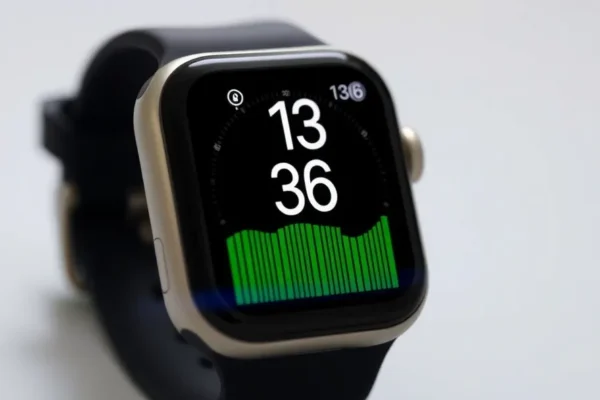
The Dawn of Smarter Health Tracking: Apple Watch Series 12 and the AI Wearable Revolution
The smartwatch landscape is constantly evolving, pushing the boundaries of what a small device on your wrist can do. The recent buzz around the anticipated Apple Watch Series 12, particularly its focus on continuous heart rate monitoring and advanced AI health features, signals a significant leap forward. This isn’t just about counting steps anymore; it’s about ushering in a new era for wearable technology, one where our devices become proactive partners in our well-being. This article explores what makes the Series 12 potentially transformative, how it works, and what it means for the future of health monitoring.
What’s New and Why It Matters
The core innovation lies in the convergence of sophisticated sensors and powerful artificial intelligence. The Apple Watch Series 12, building on years of health monitoring advancements, is poised to integrate more deeply into our personal health ecosystems. The emphasis on continuous heart rate monitoring means a constant stream of data, going beyond periodic checks to capture subtle fluctuations that might otherwise go unnoticed. This data, when analyzed by advanced AI algorithms, promises to unlock unprecedented insights into our cardiovascular health, stress levels, and even early indicators of illness. The significance lies in shifting wearables from passive trackers to active health advisors. This development isn’t out of the blue; it’s the culmination of Apple’s sustained investment in Apple health and ongoing research into biometric data analysis. The company’s commitment to privacy and user data security, as outlined in their numerous privacy reports, also plays a crucial role in building trust for such intimate health tracking.
Understanding the Smart Health Engine
At its heart, the Apple Watch Series 12’s advanced health capabilities rely on a combination of highly sensitive hardware and intelligent software. The heart rate sensor, likely an evolution of Apple’s photoplethysmography (PPG) technology, uses LEDs to shine light onto the skin and measure the tiny changes in blood volume with each heartbeat. Think of it like a highly sophisticated, miniature lighthouse that can see blood flow even through your skin. The “continuous” aspect means this process runs throughout the day and night, providing a far richer dataset than before. The true magic, however, happens with the AI wearables component. This AI acts like a highly trained detective, sifting through the massive amounts of heart rate data, alongside other sensor inputs like activity levels and sleep patterns. It’s designed to identify anomalies, predict potential issues, and offer personalized health recommendations. For instance, an AI could learn your typical heart rate patterns during different activities and alert you if it detects a significant deviation that might indicate overexertion or a developing issue. This move towards AI-driven insights is a common thread across many leading wearable technology companies.
Real-World Impact: From Fitness to Early Detection
The impact of such advanced AI health tech is far-reaching. For everyday users, the Apple Watch Series 12 could transform how they manage their fitness and general well-being. Beyond just tracking workouts, it could provide real-time feedback on recovery, suggest optimal training zones based on physiological response, and even help manage stress through guided breathing exercises triggered by detected physiological cues. For individuals with pre-existing conditions, the continuous monitoring and AI analysis could offer a vital lifeline. Imagine a user with a heart condition receiving an alert that their heart rhythm is showing signs of irregularity, prompting them to seek medical attention before a serious event occurs. This proactive approach to health management is already being explored by various health tech startups and research institutions. While the Series 12 is a consumer-facing device, its capabilities could mirror those being developed for clinical-grade remote patient monitoring. Availability is expected following Apple’s typical fall product announcement cycle, likely in late 2024, with its full capabilities rolling out through software updates over time. Early reviews of its predecessor, the Series 11, highlighted the growing potential for sophisticated health insights, setting the stage for the Series 12.
The Competitive Arena in Smart Health
Apple is not alone in this quest for smarter wearables. Competitors like Samsung, with its Galaxy Watch series, and Google (via Fitbit) are also heavily investing in advanced health monitoring and AI integration. Samsung’s latest smartwatches feature comprehensive health sensors, including ECG and blood pressure monitoring (though regulatory approval varies by region), aiming for a holistic view of user health. Fitbit, now under Google’s umbrella, has long been a leader in fitness tracking and is increasingly incorporating health metrics and AI-powered insights into its devices. The key differentiator for Apple often lies in the seamless integration of its hardware, software, and ecosystem, coupled with its immense R&D budget. While other companies may offer specific niche features, Apple’s strength is in creating a cohesive, user-friendly experience that leverages the vast amount of data generated to provide actionable insights. The race is on to not just collect data, but to interpret it intelligently and present it in a way that empowers users. This ongoing competition drives innovation across the entire wearable technology sector.
Reshaping Our Relationship with Health
The widespread adoption of devices like the Apple Watch Series 12 has the potential to fundamentally reshape how we approach health. On an individual level, it fosters a greater sense of personal responsibility and proactive engagement with one’s own body. For healthcare systems, it opens the door to more effective remote patient monitoring, potentially reducing hospital visits and improving chronic disease management. Economically, this trend fuels the growth of the digital health market, creating opportunities for app developers, data analytics firms, and telehealth providers. The social implications are also significant. Increased awareness of personal health metrics could lead to healthier lifestyles across populations, but it also raises questions about data privacy and the potential for over-reliance on technology for health decisions. The future of wearables is moving towards personalized, preventative healthcare, and the Series 12 is a key player in this transition. In the short term, we can expect enhanced fitness tracking and stress management tools. In the long term, these devices could become integral to early disease detection and personalized treatment plans.
Navigating the Hurdles Ahead
Despite the exciting advancements, significant challenges remain for AI wearables like the Apple Watch Series 12. Accuracy is paramount; while heart rate sensors have improved dramatically, subtle variations or external factors can still lead to inaccurate readings. Regulatory hurdles are also a consideration, especially for features that could be perceived as diagnostic. Medical professionals often emphasize that while these devices can provide valuable data, they are not substitutes for professional medical advice or diagnosis. Furthermore, the processing power and battery life required for continuous, AI-driven analysis pose engineering challenges. Achieving a balance between robust functionality and a comfortable, all-day-wearable experience is an ongoing battle. The cost of these advanced devices can also be a barrier to widespread adoption, limiting access for many. The current maturity level for advanced AI health insights is largely considered early adoption, with more sophisticated diagnostic capabilities still in research and development phases.
The Road to Proactive Wellness
Looking ahead, the trajectory of wearable technology points towards even greater integration with our health and lives. We can anticipate further advancements in sensor technology, potentially enabling the non-invasive measurement of blood glucose levels or hydration. The AI will likely become even more sophisticated, capable of predicting health risks with greater accuracy and offering highly personalized interventions. The development of open platforms and interoperability between different health devices and platforms will be crucial for creating a truly connected health ecosystem. Companies like Apple will likely continue to refine their algorithms, drawing on anonymized data from millions of users to improve predictive models. The next breakthroughs might involve early detection of neurological conditions or personalized nutrition advice based on real-time metabolic data. While specific timelines are difficult to predict, the trend towards continuous, AI-powered health monitoring is a strong indicator of where this technology is heading.
Frequently Asked Questions
Is the Apple Watch Series 12 available now?
The Apple Watch Series 12 has not yet been officially announced by Apple. Based on past release cycles, it is expected to be unveiled and become available in late 2024. Current models offer advanced health tracking, but the specific features mentioned are anticipated for the upcoming Series 12.
What are the main AI health features of the Apple Watch Series 12?
The key AI health features are expected to revolve around advanced analysis of continuous heart rate monitoring data. This includes identifying subtle irregularities, predicting potential health issues, and offering personalized wellness insights. These features leverage sophisticated AI wearables technology to interpret biometric data.
How does continuous heart rate monitoring work?
Continuous heart rate monitoring on devices like the Apple Watch uses light-emitting diodes (LEDs) to shine light onto the skin and a sensor to detect changes in blood volume as blood pulses through the wrist. This process, known as photoplethysmography (PPG), allows for constant data collection throughout the day.
Who benefits most from this AI health tech?
Individuals interested in proactive health management, fitness enthusiasts seeking performance optimization, and those managing chronic conditions can benefit. The smartwatch aims to provide actionable insights for a broad range of users focused on improved health monitoring.
What are the limitations of current AI wearables?
Current limitations include potential inaccuracies in sensor readings due to external factors, regulatory challenges for diagnostic features, and the need for significant processing power and battery life. Over-reliance on the device for medical advice is also a concern.
How does the Apple Watch Series 12 compare to other fitness trackers?
The Apple Watch Series 12 is positioned as more than just a fitness tracker, integrating advanced health insights with its smartwatch functionalities. While other trackers focus primarily on activity, the Series 12 aims for a more comprehensive, AI-driven approach to overall well-being and health monitoring.
Please note: This article discusses anticipated features and potential advancements based on current technological trends and industry speculation. Specific capabilities and release dates for the Apple Watch Series 12 are subject to official announcements by Apple Inc. Information regarding health features should not be considered a substitute for professional medical advice.











