

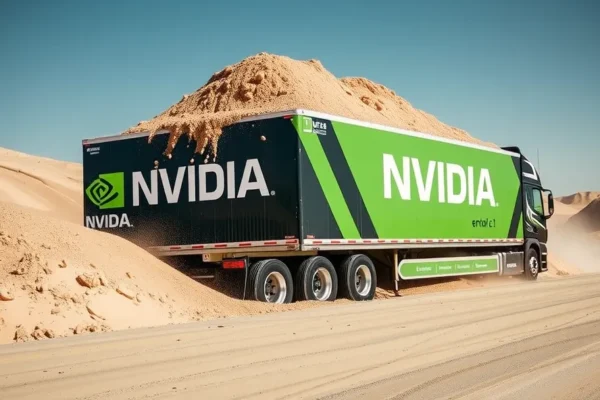
The Case of the Stolen Sand: What a Failed Nvidia Heist Means for Your Tech
Ever feel like criminals are getting smarter, or maybe just… stranger? Well, buckle up, because we’ve got a real head-scratcher involving Nvidia, a whole lot of sand, and a heist gone hilariously wrong. You might be wondering, “What does a bizarre trailer theft have to do with my phone or my gaming PC?” It turns out, quite a bit, especially when it comes to the complex world of making the tech we rely on every single day. This story isn’t just about a failed crime; it’s a peek behind the curtain of the supply chain security that keeps our gadgets powered.
What’s This All About? The Sand vs. Silicon Mix-Up
So, what happened? Imagine a truck driver, part of a criminal enterprise, thinking they’re about to pull off a major score by stealing a trailer full of valuable goods. They manage to intercept a trailer they believe is loaded with highly sought-after silicon wafers – the super-pure silicon discs that are the foundation of pretty much every computer chip. What they actually stole? Bags and bags of plain old sand. Yes, sand. Apparently, the “silicon” they were after was incredibly well-disguised, or perhaps the criminals weren’t as sharp as they thought. This epic fail highlights the intense demand for materials in the semiconductor industry and the lengths some will go to for profit.
Why Should You Care About This Oddball Theft?
You might be thinking, “Okay, that’s a funny story, but what’s in it for me?” Well, this Nvidia sand heist, as strange as it is, shines a spotlight on a few crucial things:
- Supply Chain Fragility: The tech you use, from your smartphone to your gaming rig, relies on a global network of manufacturing and transportation. When this network is disrupted, even by a silly mistake like stealing sand instead of silicon, it can cause delays and shortages.
- The Value of Silicon: Silicon is literally the bedrock of modern technology. Its scarcity and the complex process of turning it into usable wafers make it incredibly valuable. Criminals targeting these materials show just how critical they are.
- The Fight Against Tech Crime: This incident is a reminder that there’s a constant battle against theft and other forms of crime targeting the tech industry. Keeping these components secure is a massive undertaking.
How Does This Relate to Your Everyday Tech?
While you’re not likely to be directly involved in a trailer theft, the security and efficiency of the tech supply chain have a ripple effect on you:
- Availability of Gadgets: If valuable materials like silicon wafers are stolen or their transport is hampered, it can lead to fewer chips being produced. This means fewer of your favorite gadgets might be available, or they could be more expensive. Think of the graphics cards that have been hard to find for gamers – this is partly why.
- Cost of Technology: The more secure and efficient the supply chain, the lower the potential costs from theft and delays. When manufacturers have to account for higher risks or losses, those costs can eventually trickle down to you as consumers.
- Innovation Speed: When the components needed to build new technology are readily available and securely transported, innovation can happen faster. Delays due to theft or security issues can slow down the arrival of the next generation of devices.
Who is This Story For?
This isn’t about a specific product you can buy. Instead, this is for anyone who uses technology:
- Gamers and Creators: You’re probably keenly aware of the demand for high-performance chips (like those from Nvidia) and how supply issues can impact your ability to get the hardware you need.
- Everyday Tech Users: Whether it’s your smartphone, laptop, or smart home devices, you benefit from a stable and secure supply chain.
- Anyone Curious About How Things Work: If you’ve ever wondered about the journey your electronics take from raw materials to your hands, this story offers a quirky glimpse into the challenges.
What’s the Takeaway from the Sand Heist?
The main takeaway from this bizarre Nvidia sand heist is a more profound understanding of the complex and often vulnerable supply chain that brings us our technology. It’s a reminder that the tiny chips inside our devices are precious commodities, guarded and transported with significant effort. This event, while comical in its execution, underscores the very real challenges faced by the semiconductor industry in preventing cargo theft and ensuring the integrity of its operations.
When Does Tech Crime Affect You Directly?
While direct theft of silicon wafers from trailers is not an everyday occurrence for most consumers, its impact is felt indirectly. When high-value components are targeted, it can lead to:
- Increased Prices: The cost of securing shipments and replacing stolen goods can be factored into the final price of electronics.
- Product Shortages: Difficulty in obtaining essential materials like silicon wafers directly affects the availability of finished products, leading to empty shelves and long waiting lists for popular items.
- Delayed Innovations: If manufacturers can’t get the components they need, the release of new and improved technology can be pushed back, meaning you might have to wait longer for that next must-have gadget.
Learning from the Failed Heist
This failed heist serves as a learning opportunity for many, particularly in the trucking security and supply chain security sectors. While the criminals may have been outsmarted by plain old sand, the incident highlights the need for:
- Better Cargo Identification: Ensuring that drivers and handlers can accurately identify the goods they are transporting is crucial.
- Enhanced Tracking and Security: Implementing more robust tracking systems and physical security measures for high-value shipments can deter theft.
- Intelligence Sharing: Better information sharing between companies and law enforcement about potential threats can help prevent such incidents.
The Broader Picture: Supply Chain Security
The semiconductor industry is a prime target for criminal enterprises due to the immense value of its products. This sand heist, despite its laughable outcome, is part of a larger trend of tech crime and cargo theft that affects the global economy. Companies like Nvidia, and the many manufacturers that rely on their chips, invest heavily in supply chain security to protect their assets and ensure timely delivery to consumers.
Common Questions About the Nvidia Sand Heist
Q: So, did criminals actually steal sand thinking it was silicon from Nvidia?
A: Yes, reports indicate that criminals attempted a trailer theft, believing they were stealing silicon wafers, but ended up with bags of sand. It was a failed heist.
Q: Why is silicon so valuable that people would try to steal it?
A: Silicon is the fundamental material for making semiconductors, which are the brains of all our electronic devices. Producing pure silicon wafers is a complex and expensive process, making them highly valuable commodities in the tech industry.
Q: How does this affect me as a consumer?
A: This incident highlights the importance of supply chain security. Disruptions or theft can lead to shortages and increased prices for the tech products you want to buy, like graphics cards or other computer components.
Q: Is this a common type of crime in the tech industry?
A: While stealing sand instead of silicon is certainly unusual, cargo theft and targeting valuable tech components are ongoing concerns for the semiconductor industry and other sectors involved in tech manufacturing.
Q: Where can I read more about this story?
A: You can find detailed reports on this fascinating event in various tech news outlets, including articles similar to what you might find on Wired.
Product prices and availability vary by region. Verify current pricing before purchase.











