

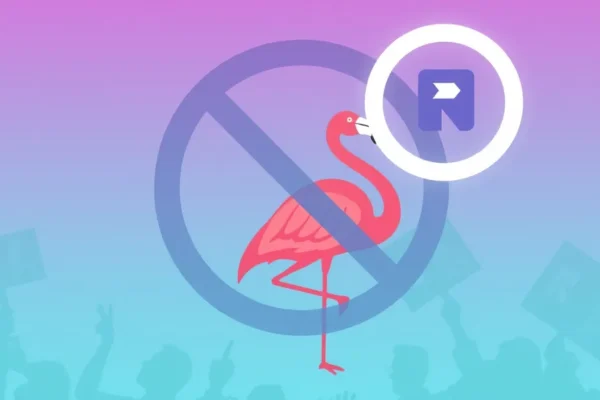
Meta Copyright System Under Scrutiny Amidst Albanian Protests
Recent events in Albania have cast a spotlight on Meta’s copyright system, raising serious questions about its use in silencing political dissent. During the ongoing “Flamingo Revolution,” a wave of anti-government protests, numerous Instagram accounts belonging to Albanian protesters have been suspended. Critics argue this widespread account deactivation, often triggered by copyright claims, amounts to censorship and could be a tactic to stifle free speech on Meta platforms. The situation highlights a growing concern: the potential for automated content moderation systems to be weaponized against political activism.
How Meta’s Copyright System Works
At its core, Meta’s copyright system is designed to protect intellectual property. When a user uploads content, like a photo or video, that they believe infringes on their copyright, they can file a claim through Meta’s platforms. This system, often automated, then flags and potentially removes the offending content. Think of it like a digital bouncer at a club. If someone complains that another person is playing music they own without permission, the bouncer might escort the offender out. In Meta’s case, the “music” is the digital content, and the “complaint” is a copyright claim.
However, the system relies heavily on automated detection and reporting. While intended to be efficient, this automation can be prone to errors or misuse. Users can sometimes file copyright claims on content they don’t actually own, or claims can be made maliciously to target specific individuals or groups. When a large volume of such claims are filed in a short period, especially against accounts associated with a particular movement, it can overwhelm Meta’s moderation and lead to mass suspensions, even if the claims are dubious. This is where the fear of online brigading, where groups coordinate to unfairly report users, becomes a significant concern.
Current State and Real-World Applications
Meta’s copyright system is a mainstream feature across its platforms, including Instagram, Facebook, and YouTube (which is not owned by Meta but uses similar copyright detection technologies). It’s used daily by creators, businesses, and individuals to protect their work. For example, musicians might use it to prevent unauthorized use of their songs, and photographers might use it to stop their images from being reposted without credit.
In the context of the Flamingo Revolution in Albania, the application of this system appears to be directly impacting political activism. Reports from the ground suggest that accounts sharing content critical of the government have been targeted with copyright claims. These claims often relate to the use of music in protest videos or images that are alleged to be copyrighted. The immediate consequence for the affected users is the suspension of their Instagram accounts, which are crucial tools for organizing, disseminating information, and mobilizing support during anti-government protests. The availability of this system is constant, but its application in politically charged environments is what’s currently under intense scrutiny.
The Competitive Landscape
Meta is not alone in employing robust copyright management systems. Other major social media platforms and content distribution networks, such as TikTok, X (formerly Twitter), and YouTube, all have their own mechanisms for handling copyright infringement claims. Google’s YouTube Content ID, for instance, is a highly sophisticated system that automatically scans uploaded videos against a database of copyrighted material.
What distinguishes Meta’s approach, and what is relevant to the Albanian protests, is the sheer scale of its user base and the interconnectedness of its platforms. While competitors also face scrutiny for content moderation, the breadth of Meta’s reach means that a flaw or misuse in its copyright system can have a disproportionately large impact. The speed at which mass suspensions can occur on Instagram, fueled by coordinated reporting, is a particular challenge that platforms are continually working to address through improved detection and human review processes. However, the effectiveness and speed of these human review processes are often questioned when faced with a deluge of automated claims.
Implications and Impact
The use of Meta’s copyright system to potentially silence Albanian protesters carries significant implications for digital rights and free speech. It raises a critical question about the balance between protecting intellectual property and enabling legitimate political expression. If copyright tools can be weaponized to disrupt or shut down dissent, it could embolden authoritarian regimes to exert greater control over online discourse.
Economically, this could impact the burgeoning digital activism space, making it harder for grassroots movements to organize and gain visibility. Socially, it erodes trust in social media platforms as neutral spaces for communication and advocacy. The short-term impact is clear: protesters are losing their voices and organizational tools. The long-term impact could be a chilling effect on online activism globally, as individuals and groups become wary of using platforms that could potentially be manipulated against them. This situation underscores the growing importance of robust online brigading prevention measures and transparent content moderation policies from social media giants.
Limitations and Challenges
A key limitation of Meta’s copyright system, as highlighted by these events, is its susceptibility to misuse. Automated systems, while efficient, can lack the nuance to distinguish between genuine copyright infringement and strategic abuse. The sheer volume of content and claims on platforms like Instagram makes it challenging to conduct thorough, human-led reviews for every flagged item, especially in rapid-response situations like protests.
Another challenge is the difficulty in proving malicious intent. It can be hard for affected users and observers to definitively demonstrate that copyright claims were filed solely to silence protesters, rather than being genuine, albeit perhaps mistaken, assertions of ownership. This ambiguity makes it difficult to hold those who weaponize the system accountable. Furthermore, the global nature of these platforms means that Meta must navigate a complex web of international copyright laws and cultural norms, which adds another layer of complexity to enforcement.
Future Trajectory
The events in Albania are likely to accelerate Meta’s efforts to refine its copyright enforcement mechanisms. We can expect to see increased investment in AI that can better detect patterns of abuse and differentiate between genuine copyright claims and coordinated attacks aimed at censorship. The company may also explore more robust verification processes for copyright claims, especially those filed in rapid succession against accounts involved in public events or political discourse.
The timeline for significant improvements remains uncertain. While Meta has acknowledged the need for better systems, the scale of the challenge means that developing and implementing foolproof solutions will take time. Future developments might include more transparent reporting on how copyright claims are handled and faster appeal processes for users who believe their accounts have been wrongly suspended. The ongoing tension between protecting intellectual property and safeguarding free speech will continue to shape the evolution of these systems.
Key Questions and Answers
What is the core issue regarding Meta copyright and Albanian protesters?
The primary concern is that Meta’s copyright system is being used to suspend Instagram accounts of Albanian protesters, potentially as a method of censorship during the Flamingo Revolution, impacting their ability to organize and voice dissent.
How does Meta copyright potentially lead to the suspension of Instagram accounts?
When copyright claims are filed against content (like music in videos or images), Meta’s automated system can flag and remove the content, and in cases of repeated or widespread claims, it can lead to the suspension of the user’s Instagram accounts.
Is this a deliberate act of censorship by Meta?
While the outcome is the suspension of protesters’ accounts, it’s unclear if Meta is deliberately censoring. Critics argue that the system’s susceptibility to misuse and brigading, combined with insufficient oversight, is enabling censorship, regardless of intent.
What are the risks of this situation for digital rights and free speech?
If copyright systems can be weaponized, it poses a significant threat to free speech and political activism online. It could lead to a chilling effect, discouraging protest and dissent, and embolden those seeking to control online narratives.
What can Albanian protesters do if their accounts are suspended due to copyright claims?
Protesters can appeal Meta’s decisions through the platform’s dispute resolution process. However, the effectiveness and speed of these appeals are often a concern, especially during fast-moving events.
How do Meta platforms address concerns about online brigading?
Meta has stated it has systems to detect and mitigate coordinated inauthentic behavior, including brigading. However, the ongoing events suggest these measures may not be fully effective in preventing the misuse of copyright claims against political activists.
This report is based on publicly available information and analyses. The evolving nature of technology and its application in real-world political events means that ongoing observation and independent verification are crucial.











