

What Exactly Is the Tesla Semi
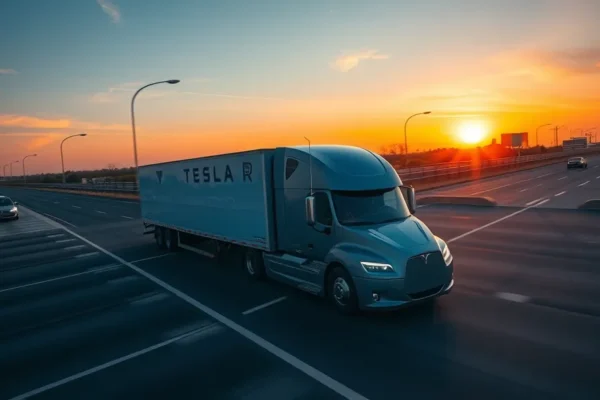
The Tesla Semi is a fully electric Class 8 heavy-duty truck designed to move cargo across long distances without a drop of diesel. For the average person, it might look like just another futuristic vehicle on the highway, but for the trucking industry, it is a massive shift. While traditional trucks rely on loud, polluting combustion engines, the Tesla Semi uses battery power to handle the heavy lifting of logistics. It is designed for fleet managers who want to reduce the carbon footprint of their supply chains and lower the total cost of ownership by cutting out fuel and oil changes. It matters right now because as fuel prices fluctuate and environmental regulations tighten, the industry is looking for a path toward sustainable logistics that actually makes business sense.
Daily Life on the Road
In a real-world setting, using the Tesla Semi feels less like operating a piece of heavy machinery and more like driving a high-tech car. The driver sits in a centered seat, which improves visibility, and the truck uses a simple drive-and-go interface. If you are a driver, you don’t have to deal with the physical toll of shifting gears or the noise pollution of a traditional diesel engine. If you manage a busy warehouse, you get a vehicle that can recharge during loading and unloading times, potentially keeping your cargo moving with less downtime. It is designed to make the long haul less taxing for the driver while keeping the fleet operational through smart software that helps plan routes based on charging availability.
Who Should Consider the Switch
This vehicle is best for large corporations and fleet managers looking to electrify their regional shipping lanes. If your company operates “hub-to-hub” routes where charging stations are predictable and accessible, the Tesla Semi is a strong candidate. However, you should skip it if your operations rely on remote, off-grid locations where heavy-duty electric charging infrastructure simply does not exist yet. It is not currently a replacement for every type of long-haul trucking, especially in regions that lack the necessary fast-charging grid support.
How It Compares to Diesel Rivals
When you compare the Tesla Semi to traditional diesel trucks, the primary difference is the fuel source and maintenance cycle. Traditional trucks have decades of established infrastructure, meaning you can stop for fuel anywhere. The Tesla Semi is better at acceleration and offers a much smoother, quieter ride, which reduces driver fatigue. However, it is weaker in terms of “universal utility.” A diesel truck can go anywhere immediately, whereas the Tesla Semi requires a planned, data-driven approach to ensure you never run out of juice in a spot where you cannot charge.
Learning the Ropes
Getting started with electric freight is a major jump from traditional trucking. Fleet managers will need to install specialized mega-chargers at their depots, which requires significant electrical planning. For the drivers, the learning curve is surprisingly shallow—the truck is essentially an “all-in-one” device. If you can use a smartphone, you can likely master the screen-based controls of the Tesla Semi. The biggest hurdle isn’t the physical driving; it’s the change in mindset required to manage a fleet that runs on software and electricity rather than mechanical parts and gas stations.
Real World Pros of Going Electric
Users and testers often point to a few key advantages:
- Quiet Operation: The lack of engine roar reduces noise pollution for both the driver and the communities the truck passes through.
- Reduced Maintenance: With fewer moving parts than an internal combustion engine, fleet managers save time and money on typical engine repairs.
- Superior Acceleration: Even when fully loaded, the electric torque allows the truck to maintain speed on inclines better than many diesel alternatives.
- Tech Integration: The digital ecosystem provides real-time data on efficiency, which is a dream for logistics coordinators tracking costs.
Drawbacks and Known Limitations
No product is perfect, and early adopters should keep these limitations in mind:
- Charging Infrastructure: The biggest pain point is the current lack of a nationwide high-speed charging network for commercial vehicles.
- Weight Tradeoffs: The massive battery packs required for long ranges add weight, which can eat into the total weight of the cargo you are allowed to carry.
- Cold Weather Performance: Like all electric vehicles, extreme cold can impact the range, forcing managers to be more conservative with route planning during winter months.
Price and Value Proposition
The Tesla Semi is priced as a premium asset. While Tesla does not always list a single “sticker price” for fleet orders, the total cost of ownership is the real metric. By eliminating fuel costs and drastically reducing maintenance, the truck is designed to pay for itself over time. However, the initial capital expenditure is much higher than a standard diesel truck. For smaller companies, the entry cost remains a significant barrier compared to buying a used combustion truck.
The Verdict
Is the Tesla Semi ready for everyone? Not yet. It is a brilliant piece of engineering that works best for forward-thinking logistics companies that have the budget and the physical space to build out charging infrastructure. If you are looking to pilot a zero emissions fleet and have the resources to handle the transition, it is a game-changer. If you are an independent operator with tight margins and inconsistent routes, it is better to wait until the charging infrastructure catches up.
Frequently Asked Questions
Is the Tesla Semi reliable for long-haul routes?
It is reliable provided your route has the necessary charging support. It is not currently meant for “anywhere, anytime” travel like a diesel truck.
How does the electric freight model save me money?
By shifting from expensive diesel fuel to electricity and reducing the number of mechanical parts that need regular repair, you lower your long-term operational costs.
Do I need special training to drive this electric semi truck?
Not really, as the interface is designed to be intuitive, though drivers will need to learn how to manage energy efficiency and charging stops.
Can I return the truck if it does not fit my fleet needs?
Tesla commercial agreements are typically B2B contracts, so you should review your specific fleet purchase agreement regarding returns or warranty support.
Is this really a step toward clean transportation?
Yes, by moving to zero emissions at the tailpipe, it significantly reduces the carbon output of the commercial trucking industry compared to traditional fossil fuel engines.
Product prices and availability vary by region. Verify current pricing before purchase.











