

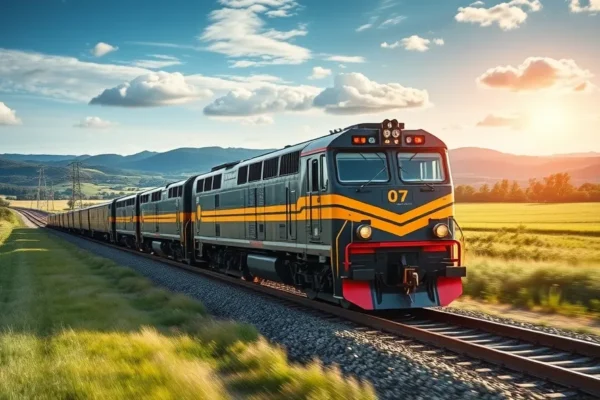
A Significant Expansion for Westinghouse Air Brake
Westinghouse Air Brake, widely known as WAB or Wabtec, recently announced a major milestone in its growth strategy by securing a rail services deal valued at over 700 million dollars. This development, confirmed through official company statements and regulatory filings, signals a concentrated effort by the firm to solidify its presence in the heavy-haul freight transportation sector. The agreement, which covers a multi-year period, tasks the company with providing advanced technological maintenance, digital monitoring services, and hardware upgrades for a major rail operator. This move is a direct response to the global push for more efficient, sustainable, and reliable rail infrastructure.
Why Wabtec is Doubling Down on Services
The decision to secure this rail services deal is grounded in the company’s long-term goal of shifting from a hardware-only manufacturer to a comprehensive solutions provider. In the business world, a pivot toward services is often called a “recurring revenue strategy.” This means the company is moving away from the “boom and bust” cycle of selling individual train engines or parts and toward building a steady stream of income through long-term service contracts. By managing the maintenance and digital health of these assets, WAB ensures that its customers remain dependent on its proprietary technology. This approach solves a key customer pain point: the need for increased uptime and safety in an industry where downtime costs thousands of dollars per hour.
Competitive Positioning in the Rail Industry
The rail industry is highly consolidated, with a small number of global players competing for massive transportation contracts. By landing this 700 million dollar deal, Wabtec is strengthening its “moat”—a business term for the competitive advantage that keeps rivals at bay. While competitors like Siemens or Alstom also focus on rail infrastructure, Wabtec has built a specialized niche in the freight transportation market, particularly in North America. This deal acts as a defensive shield; it ties the client to the Wabtec ecosystem, making it significantly more difficult for a competitor to swoop in and displace them with a cheaper alternative during the next procurement cycle.
Shifting Trends in Global Infrastructure
This deal reflects a broader trend in global infrastructure spending. Governments and private operators are under immense pressure to improve the efficiency of freight networks to combat supply chain bottlenecks. As a result, the industry is seeing a transition toward “smart rail,” where locomotives are equipped with sensors that feed data back to central systems. Wabtec is positioning itself as the leader of this digital transformation. Industry peers are likely to mirror this move, seeking their own long-term service contracts to stabilize earnings growth. We can expect to see an industry-wide scramble to acquire smaller digital-first rail startups to bolster their service offerings.
The Financial and Operational Impact
From a financial perspective, this deal is designed to improve the company’s margin profile. Manufacturing physical goods often involves high material costs and unpredictable logistics. Conversely, providing services and software updates generally carries higher profit margins because the infrastructure is already in place. Investors pay close attention to this shift because it makes a company’s future earnings more predictable. Operationally, this contract will require Wabtec to scale its workforce of specialized technicians and software engineers. If managed correctly, this shift will improve the firm’s stock performance over the long term by proving to the market that it can generate consistent cash flow regardless of the economic cycle.
The Challenges of Scaling Complex Deals
While the outlook is positive, execution risk remains a serious factor. Execution risk refers to the possibility that a company will fail to deliver on its promises due to internal management issues, labor shortages, or technical complications. Historically, large-scale service contracts can be difficult to manage. If Wabtec fails to meet the stringent service levels required by the client, they could face financial penalties or damage their brand reputation. Furthermore, integrating new technology into aging rail fleets is notoriously difficult. Regulatory hurdles, such as changing safety requirements across different regions, could also increase costs unexpectedly, potentially eating into the projected profitability of the contract.
Stakeholder Implications
This contract will have a ripple effect across several groups. For employees, the focus shifts toward high-tech maintenance and data analysis, requiring a culture of continuous learning. For customers, the primary benefit is a more reliable supply chain, though they are now more closely tethered to Wabtec’s platform. For investors, the focus is squarely on whether this contract acts as a template for future deals. If the company proves it can execute this project successfully, market sentiment will likely turn more bullish. However, investors must remain wary of “scope creep,” where the costs of fulfilling the contract exceed the initial budget estimates.
Outlook and Next Steps
The next twelve to eighteen months are critical. The primary milestone to watch is the initial rollout of the digital monitoring systems promised under the deal. Analysts will be monitoring the company’s quarterly earnings reports for mentions of “service revenue growth” as a key performance indicator. If the project proceeds on time, it will likely serve as a proof-of-concept for similar deals in international markets, particularly in Europe and Asia. Success here would likely lead to a rerating of the stock, as the market begins to value the company more like a high-margin technology firm than a traditional industrial manufacturer.
Key Questions and Answers
How does this deal affect Wabtec’s earnings growth?
By securing long-term service contracts, the company creates a predictable revenue stream that is less sensitive to economic downturns. This stability typically leads to improved profit margins compared to the sale of heavy machinery, which supports long-term earnings growth.
Is this deal indicative of a shift in the entire rail industry?
Yes, this contract aligns with a sector-wide transition toward “smart rail” and service-led business models. Companies are increasingly moving away from pure manufacturing to become integrated technology partners for rail operators.
What are the biggest risks associated with this rail services deal?
The primary risks include execution challenges, such as the difficulty of maintaining diverse legacy equipment, potential labor shortages in specialized technical roles, and the possibility of rising costs due to regulatory changes or supply chain inflation.
Why is a services-focused strategy better for stock performance?
Investors generally prefer service-based revenue because it is recurring and usually comes with higher profit margins. This predictability reduces the risk profile of the company, often leading to a higher valuation from Wall Street analysts.
Will this deal make Westinghouse Air Brake more or less competitive?
It strengthens the company’s competitive positioning by creating a “lock-in” effect with the customer. Once a rail operator integrates Wabtec’s digital monitoring and service systems, the switching costs to move to a competitor become prohibitively expensive.
Note: All business strategies and financial outcomes discussed in this analysis are subject to inherent execution risks. External market conditions, regulatory changes, and internal operational challenges may impact the final results of the discussed rail services deal. Readers should consult official financial reports for the most current data.











