

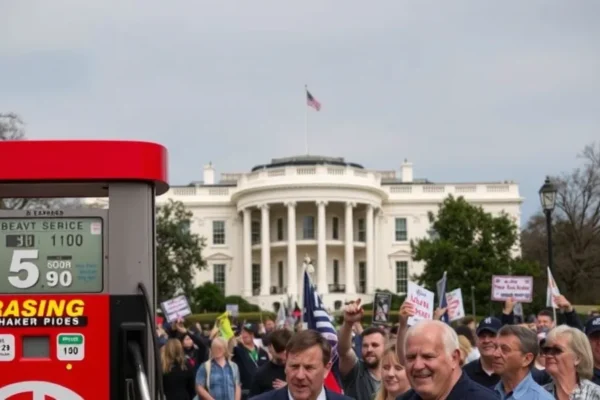
Understanding Government Intervention in Fuel Markets
Imagine your local grocery store suddenly decides to stop selling a popular type of bread, even though people still want to buy it. This might cause some confusion and make it harder for everyone to get their usual loaf. In the world of economics, this kind of situation, where a government considers limiting the sale of a crucial product to other countries, is what we’re seeing with discussions around a potential diesel export ban. This isn’t just about fuel; it’s about how government decisions can ripple through the economy and affect everyone’s wallet. Understanding these dynamics helps us make more informed decisions about our own finances.
How a Diesel Export Ban Might Work
Let’s break down what’s happening. Diesel is a type of fuel used by many trucks, buses, trains, and some cars. The United States is a major producer of diesel. When the US exports diesel, it means we sell it to other countries. Think of it like a farmer who grows a lot of apples. If the farmer sells most of his apples to a company that ships them overseas, there might be fewer apples left for local buyers.
Now, imagine a scenario where there’s not enough diesel available in the U.S. to meet demand. This could happen due to various reasons, like refinery issues or increased global demand. If this shortage occurs, U.S. consumers and businesses might see higher prices at the pump and struggle to get the fuel they need. In such a situation, the White House, which is the executive branch of the U.S. government, might consider a temporary diesel export ban. This ban would aim to keep more diesel fuel within the country, hoping to increase domestic supply and stabilize or lower fuel prices for Americans.
For example, suppose the U.S. has a daily supply of 10 million barrels of diesel, and domestic demand is 8 million barrels, with 2 million barrels being exported. If domestic demand suddenly spikes to 9 million barrels due to unexpected cold weather or increased shipping activity, and exports continue at 2 million barrels, we’d have a deficit of 1 million barrels. A ban on exports would redirect that 2 million barrels back into the domestic market, potentially meeting the increased demand and preventing a severe price surge.
Why These Discussions Matter to You
These conversations about a diesel export ban and fuel policies have direct impacts on your personal finances and the broader US economy. When fuel prices are high, it costs more to drive your car, heat your home (if you use heating oil, which is similar to diesel), and transport goods. Businesses, especially those reliant on transportation like trucking companies and delivery services, face higher operating costs. They often pass these costs onto consumers in the form of higher prices for everything from groceries to electronics. This contributes to inflation, which is the general increase in prices and fall in the purchasing value of money.
On the flip side, there are businesses that benefit from high export volumes, such as oil refiners and energy companies. These large corporations, often referred to as “Big Oil,” have significant lobbying power. Lobbying is the act of attempting to influence decisions made by officials in government, typically legislators or members of regulatory agencies. These companies advocate for policies that support their business interests, which may include maintaining the ability to export fuel.
The political fallout from high fuel prices can be substantial, especially in the lead-up to elections like the midterms. Voter anger over rising costs at the pump can influence voting behavior. Politicians often feel pressure to take action to address these concerns, which can lead to debates over policies like export bans, fuel subsidies, or increasing domestic production.
Historical Context and Current Triggers
The idea of managing fuel exports isn’t entirely new. Governments have historically intervened in energy markets to ensure national security and economic stability. During times of crisis, such as wars or significant supply disruptions, countries have sometimes restricted exports or implemented price controls to manage domestic availability.
The current interest in a diesel export ban has been amplified by a confluence of factors. Global energy markets have been volatile, influenced by geopolitical events, such as the conflict in Ukraine, and post-pandemic demand recovery. U.S. refining capacity also plays a role; if refineries are operating at high utilization rates and domestic demand is strong, the available petroleum supply for export can become a point of contention.
For instance, in the summer of 2022, U.S. gasoline prices reached record highs, prompting discussions about potential actions to ease the burden on consumers. Similarly, concerns about diesel availability and prices have resurfaced, particularly as the U.S. heads into seasons where demand for heating oil (closely related to diesel) can increase. Data from organizations like the U.S. Energy Information Administration (EIA) consistently track domestic and global fuel production, consumption, and prices, providing the statistics that inform these policy debates.
Navigating the Practical Implications
For individuals, understanding these market dynamics means recognizing how global and domestic energy policies can impact your budget. When you see news about potential export bans or discussions between the White House and oil companies, it’s a signal that changes in fuel prices might be on the horizon. This could influence your decisions about travel, vehicle purchases, and even where you choose to live if commuting costs become too high.
A common misconception is that banning exports is a simple fix for high domestic prices. While it can increase domestic supply, it might also have unintended consequences. Other countries that rely on U.S. diesel could face their own shortages and higher prices, potentially affecting global trade and economic stability. Additionally, a ban could impact the profitability of U.S. refiners, potentially leading to reduced investment in future production capacity.
When this topic appears in the news, consider the following:
- Supply and Demand: Is the issue a genuine shortage, or is it related to distribution and price?
- Policy Goals: What is the primary objective of the proposed action? Is it to lower prices, ensure supply, or something else?
- Potential Trade-offs: What are the possible downsides or unintended consequences of the policy?
Connecting to Other Financial Ideas
The discussion around a diesel export ban is interconnected with several other important financial concepts. Understanding inflation is crucial, as fuel prices are a significant contributor to the overall cost of living. The role of energy policy, which encompasses how governments regulate and influence the energy sector, directly shapes the availability and cost of fuels. Concepts like market intervention, price elasticity (how much demand changes based on price), and international trade dynamics are also highly relevant.
Furthermore, the influence of oil lobbying highlights the broader topic of corporate influence on government policy, a concept that extends beyond the energy sector. For those interested in the long-term, understanding how government actions can affect petroleum supply chains also relates to discussions on sustainable energy and the transition away from fossil fuels. Even former presidents like Trump have weighed in on energy policy, demonstrating its enduring political significance.
Common Questions About Diesel Export Bans
How does a diesel export ban affect fuel prices in the US?
A diesel export ban aims to keep more diesel fuel within the United States. This increased domestic supply can help stabilize or potentially lower fuel prices for American consumers and businesses struggling with high costs.
Can individuals directly influence a diesel export ban decision?
While individuals cannot directly decide on such policies, their collective voice through voting, contacting elected officials, and participating in public discourse can influence the political pressure on the White House and Congress to consider or reject a diesel export ban.
What are the risks of a diesel export ban for the US economy?
The risks include potential retaliatory measures from other countries, reduced revenue for U.S. energy companies that export diesel, and potentially lower investment in refining capacity if export markets become unreliable. It could also lead to international goodwill issues.
Does a diesel export ban impact gasoline prices?
Yes, there can be an indirect impact. Refineries produce a range of products, including both diesel and gasoline, from crude oil. Changes in the production or export of one product can sometimes influence the economics and availability of others, though the direct impact on gasoline prices is usually less pronounced than on diesel.
What role does Big Oil lobbying play in these discussions?
Big Oil companies often lobby against policies like export bans because they can reduce their profitability and market access. They advocate for policies that allow them to maximize their global sales and production, influencing the debate and potentially swaying political decisions.
How does voter anger over high fuel prices influence government actions like a diesel export ban?
High fuel prices, particularly at the gas pump, generate significant voter anger and can heavily influence election outcomes. This pressure can push politicians and the administration, like the White House, to take visible actions, such as considering or implementing measures like a diesel export ban, to address public concerns before the midterms or other elections.
This is educational content, not financial advice. Financial situations vary greatly. Consult with a qualified financial professional before making any personal financial decisions.











