

Unpacking the GM Apple CarPlay Confusion What’s New and What’s Not
General Motors (GM) has recently sparked considerable discussion and, for many, confusion regarding its approach to smartphone integration in its vehicles, particularly concerning Apple CarPlay and Android Auto. While the company is touting new software updates for its infotainment systems, particularly for its upcoming electric vehicle (EV) lineup, there’s a widespread misunderstanding about what these updates actually do. Many consumers are mistaking these advancements for simple repetitions of existing features, overlooking the significant shift GM is aiming for in how drivers interact with their digital lives in the car. This analysis aims to clarify the distinction between GM’s new software vision and the current, widely used phone mirroring technologies like Apple CarPlay and Android Auto, providing insight into GM’s strategic direction in automotive technology.
GM’s Evolving Software Strategy
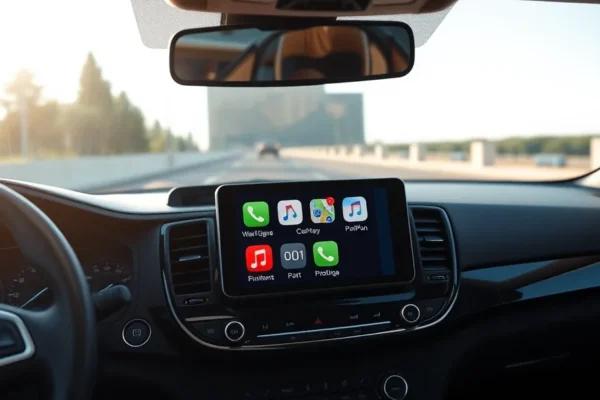
At its core, General Motors’ recent announcements revolve around a proprietary software system designed to integrate deeply with the vehicle’s functions, rather than solely relying on mirroring a smartphone’s interface. The confusion stems from the fact that many of GM’s current vehicles already offer Apple CarPlay and Android Auto. These systems allow drivers to display and control certain smartphone apps—like navigation, music, and messaging—on the car’s touchscreen. However, they essentially act as extensions of the phone, requiring the phone to be physically connected (usually via USB) and actively running the specific apps.
GM’s new approach, particularly highlighted with its Ultifi software platform and its integration into EVs like the Cadillac Lyriq and the forthcoming Chevy Silverado EV and GMC Sierra EV, aims to create a more native and integrated digital experience. Think of the difference like this: current Apple CarPlay and Android Auto are like using a remote control to operate your TV from across the room—you can change channels and adjust volume, but the TV’s core functions are still dictated by the TV itself. GM’s new software is more akin to building a smart home hub that can control your TV, lights, and thermostat, all from a single, unified interface that understands your preferences and the environment.
This shift means that while the car will still offer compatibility with popular smartphone apps, the way these apps are accessed and integrated will be different. GM is building its own software ecosystem that can leverage smartphone data and functionality but is not entirely dependent on the phone being tethered and running those specific mirroring applications. This allows for deeper integration with vehicle features, such as performance data, charging status for EVs, and personalized driver profiles, all managed within GM’s own digital environment. According to GM’s statements, the Ultifi platform is designed to be updateable over-the-air (OTA), similar to how smartphones receive software updates, allowing for continuous improvement and new feature rollouts without needing a dealership visit.
Real-World Applications and Current Status
Currently, the most advanced implementation of GM’s new software strategy is visible in its latest electric vehicles and premium models. For instance, the Cadillac Lyriq utilizes Google built-in, which is a significant step towards a more integrated system, offering features like Google Maps, Google Assistant, and the Google Play Store directly within the car’s infotainment system without solely relying on a connected smartphone. This is a key distinction from traditional Apple CarPlay or Android Auto, where these services are essentially projected from your phone.
For many of GM’s gasoline-powered vehicles, particularly mainstream models like the Chevy Silverado and GMC Sierra pickup trucks, the offering remains primarily traditional Apple CarPlay and Android Auto. These systems function as described earlier: mirroring your phone’s interface for apps. GM has announced plans to bring its enhanced software capabilities, including greater integration and OTA updates, to a wider range of its fleet over time, but the full realization of this vision is still in progress. The availability varies by model and trim level, with newer EVs and higher-end trims being the early adopters of these advanced infotainment solutions.
The company has also been clear that even with its new software, it will continue to offer Apple CarPlay and Android Auto compatibility for a significant period. This dual approach acknowledges the widespread consumer familiarity and preference for these established smartphone integration methods, ensuring a smoother transition and broader appeal. However, the long-term goal appears to be a gradual shift towards GM’s proprietary, more integrated software experience.
The Competitive Landscape in Automotive Infotainment
General Motors is not alone in its pursuit of more integrated and intelligent in-car software. Virtually every major automotive manufacturer is investing heavily in their infotainment systems and connectivity. Tesla, of course, has long been a pioneer with its highly integrated, software-driven approach, offering a rich user experience that is deeply tied to the vehicle’s hardware and functionality. Companies like Ford are also pushing forward with their SYNC infotainment system, which has seen continuous evolution and integration of connected services.
The approach GM is taking, particularly with the Ultifi platform, places it in direct competition with other automakers developing their own advanced operating systems and digital ecosystems. For example, Volkswagen Group has its Cariad software division, aiming to create a unified software architecture across its brands. Mercedes-Benz, BMW, and others are also enhancing their proprietary systems with advanced AI, OTA capabilities, and deeper vehicle integration.
What differentiates GM’s approach is its stated intention to offer a robust, customizable, and updateable platform that can potentially reduce reliance on phone mirroring for core functions. While competitors might be focusing on refining their existing systems or integrating third-party solutions, GM seems to be building its own foundation for future automotive software. The advantage for GM lies in its ability to control the entire software stack, potentially leading to a more seamless user experience and faster deployment of new features. However, this also presents significant challenges in terms of development cost and complexity compared to leveraging established platforms like Apple CarPlay and Android Auto.
Implications for the Automotive Industry and Drivers
The implications of GM’s evolving software strategy are far-reaching. For the automotive industry, it signals a clear trend towards vehicles becoming sophisticated computing platforms on wheels. This shift could lead to new revenue streams for automakers through subscription services for advanced features, enhanced connectivity, and personalized digital experiences. It also means that software development and expertise are becoming as critical to a car’s success as its engine or chassis.
For drivers, the long-term impact could be a more intuitive and personalized in-car experience. Imagine a car that truly learns your driving habits, anticipates your needs, and seamlessly integrates with your digital life without constant fiddling with phone connections. EV owners, in particular, stand to benefit from deeper integration with charging networks, battery management, and personalized trip planning.
Economically, this could reshape job markets, demanding more software engineers, AI specialists, and cybersecurity experts within the automotive sector. It also raises questions about data privacy and ownership, as vehicles collect more information about their occupants. The transition will likely be gradual, with a hybrid approach—offering both familiar phone mirroring and advanced native software—persisting for some time. This allows consumers to adopt new technologies at their own pace.
Navigating the Roadblocks and Challenges
Despite the promising trajectory, GM’s ambitious software plans are not without their challenges. One of the primary hurdles is the complexity and cost associated with developing and maintaining a robust proprietary software platform. Creating an ecosystem that is as user-friendly and feature-rich as established players like Apple and Google is a monumental task. Ensuring that these systems are secure and resistant to cyber threats is another critical concern, especially as vehicles become more connected.
Consumer adoption can also be a barrier. Many drivers are accustomed to Apple CarPlay and Android Auto and may be hesitant to switch to a new, unfamiliar system, even if it offers potential benefits. The learning curve associated with new interfaces and functionalities can be a deterrent. Furthermore, the success of OTA updates hinges on reliable connectivity and the ability to deploy updates without causing software glitches or disruptions. Early reports and anecdotal evidence from users of advanced infotainment systems from various manufacturers sometimes highlight bugs, performance issues, or unexpected behavior, underscoring the difficulty of perfecting complex software in a connected vehicle.
The lifespan of the vehicle itself also presents a challenge. Unlike smartphones, which are typically replaced every few years, cars are expected to last for a decade or more. GM’s software platform needs to be designed for longevity and continuous evolution to remain relevant and functional throughout the vehicle’s life. This requires a commitment to ongoing support and development that goes beyond typical automotive product cycles.
The Road Ahead for GM’s Software Vision
Looking forward, General Motors is clearly committed to building a more software-defined vehicle future. The rollout of the Ultifi platform across more models is expected to continue, gradually replacing or augmenting traditional phone mirroring with its integrated experience. We can anticipate further advancements in AI-powered features, predictive maintenance alerts, and personalized driver profiles. The integration of third-party apps and services into GM’s native software will also likely expand, offering a curated selection of digital tools directly within the car.
The timeline for widespread adoption of GM’s fully integrated software vision is still unfolding. While some EVs are already showcasing elements of this future, it will likely take several years for this advanced software to become standard across GM’s entire vehicle lineup. Industry observers will be watching closely to see how effectively GM can deliver on its promises of seamless integration, over-the-air updates, and a superior user experience. The success of this strategy will depend not only on the technical capabilities of the software but also on GM’s ability to communicate its value proposition clearly to consumers and to provide ongoing support and innovation.
Frequently Asked Questions About GM’s New Software
What is the main difference between GM’s new software and existing Apple CarPlay or Android Auto?
The key difference is that existing Apple CarPlay and Android Auto primarily mirror your phone’s interface, requiring your phone to be connected and running specific apps. GM’s new software aims for a more integrated experience, where vehicle functions and select app features are built directly into the car’s infotainment system, often with over-the-air update capabilities, and can operate more independently of a directly connected smartphone.
Will my Chevy Silverado or GMC Sierra still have Apple CarPlay and Android Auto?
Yes, for the foreseeable future, GM will continue to offer Apple CarPlay and Android Auto as standard features on most of its vehicles, including many Chevy Silverado and GMC Sierra models, to ensure broad consumer compatibility.
When will I be able to get this new GM software in my car?
This new, more integrated software experience is currently being rolled out, starting with newer electric vehicles like the Cadillac Lyriq and forthcoming EVs such as the Chevy Silverado EV and GMC Sierra EV. It will gradually be introduced to more gasoline-powered models over the coming years, according to GM’s roadmap.
Is this new software like Tesla’s system?
GM’s ambition with its Ultifi platform is to create a similarly integrated and software-driven experience to what Tesla offers. However, the execution, user interface, and specific features will differ, reflecting GM’s own design philosophy and technological development.
What are the benefits of GM’s new integrated software?
The primary benefits include a more seamless user experience, deeper integration with vehicle features (especially for EVs), personalized settings that follow the driver, and the ability to receive new features and improvements through over-the-air updates, much like a smartphone.
Are there any risks or downsides to this new approach?
Potential downsides include the complexity of developing and maintaining such a system, the possibility of software bugs or performance issues, cybersecurity vulnerabilities, and the challenge of ensuring the system remains up-to-date and relevant for the entire lifespan of the vehicle. Consumer adoption and comfort with a new system are also key considerations.
This analysis is based on publicly available information from General Motors, industry publications, and common understanding of automotive technology trends. Timelines and feature availability are subject to change by the manufacturer. For the most current and precise details, consult official GM communications and dealership information.











