

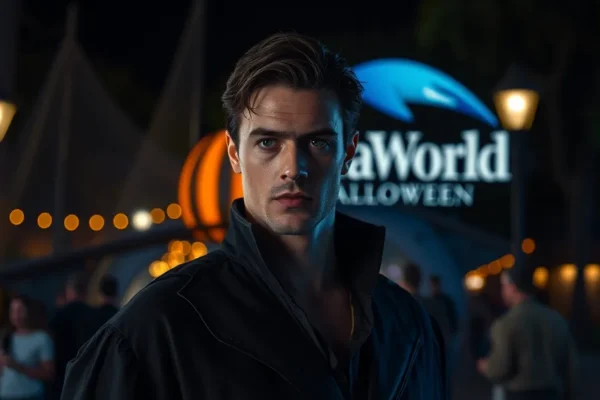
The Unexpected Allure of Romantasy: How SeaWorld is Capitalizing on a New Literary Craze
The world of theme park entertainment is constantly seeking fresh angles to draw crowds, especially for seasonal events. SeaWorld’s recent success with its Halloween attractions highlights a fascinating convergence of entertainment trends and consumer behavior. They are effectively leveraging the burgeoning “romantasy” phenomenon – a blend of romance and fantasy genres that has exploded in popularity, particularly online. This strategic marketing approach, focused on thematic immersion and audience engagement, has translated directly into record-breaking attendance, showcasing how understanding niche cultural shifts can drive significant business outcomes for major entertainment venues. This analysis delves into how SeaWorld is using experiental marketing to tap into this trend, boosting ticket sales and redefining its brand strategy around seasonal events.
Decoding the Romantasy Phenomenon
At its heart, “romantasy” is a literary and cultural movement. It combines the sweeping, often dramatic, romantic relationships found in romance novels with the fantastical settings, magical elements, and epic quests common in fantasy literature. Think of characters navigating enchanted forests, facing mythical creatures, and falling in love amidst perilous journeys. This genre has found a massive audience through platforms like TikTok, where BookTok communities extensively discuss and recommend romantasy novels. This surge in popularity isn’t just a fleeting trend; it represents a significant shift in reader preferences, creating a dedicated and enthusiastic fanbase eager for related experiences. The problem SeaWorld is solving is how to connect with this specific, yet large and engaged, audience in a way that feels authentic and exciting. They are essentially translating the escapism and emotional resonance of these stories into a physical, immersive environment.
From Page to Park: SeaWorld’s Experiential Marketing Strategy
SeaWorld’s approach to integrating romantasy themes into its Halloween events is a masterclass in experiential marketing. Instead of simply adding spooky decorations, they are creating immersive environments that echo the core elements of popular romantasy narratives. This includes theming specific attractions and areas within the park to evoke enchanted realms, dark fairy tales, and quests. For instance, they might introduce storylines that involve finding a mythical artifact, encountering benevolent or mysterious mythical creatures, or navigating a “cursed” forest.
Their marketing strategy is heavily reliant on digital channels where the romantasy audience is most active. This includes targeted social media campaigns, often featuring aesthetics and language that resonate with BookTok users. Collaborations with influencers who are prominent in the romantasy community can further amplify their reach. The goal is to make guests feel like they are stepping directly into their favorite romantasy novels. This isn’t just about visual theming; it extends to the overall atmosphere, the types of entertainment offered (perhaps themed performances or character interactions), and even food and beverage options that align with the fantasy narrative. This audience engagement strategy aims to create memorable experiences that go beyond a typical theme park visit, fostering a deeper connection with the brand and encouraging repeat visits and word-of-mouth promotion.
Current Applications and Consumer Behavior
SeaWorld’s Halloween events, such as “Howl-O-Screams” or similar seasonal offerings, are where this romantasy-inspired strategy is most evident. These events are designed to attract a broad audience but are increasingly being tailored to specific demographics, including those drawn to darker, more narrative-driven fantasy themes. The success can be seen in the surge of ticket sales during these seasonal periods, often exceeding expectations.
Consumer behavior analysis shows that when a theme park can tap into a popular cultural trend, it creates a sense of urgency and desire. People want to be part of the conversation and experience what is currently trending. By aligning their Halloween attractions with the romantasy craze, SeaWorld is tapping into this desire for shared cultural experiences. This approach also appeals to a desire for escapism, which is a core appeal of both theme parks and the romantasy genre. Guests are looking for an escape from their everyday lives, and SeaWorld is offering a portal to a world of fantasy and romance. This isn’t limited to just SeaWorld; many theme parks and entertainment venues are exploring ways to integrate popular cultural narratives into their offerings to drive audience engagement and boost ticket sales.
The Competitive Landscape of Themed Entertainment
The theme park industry is highly competitive, with major players like Disney, Universal Studios, and Six Flags constantly innovating to attract visitors. While Disney often leans into its established fantasy franchises and Universal into its blockbuster movie IPs, SeaWorld’s strategic move into a more niche, yet highly engaged, genre like romantasy offers a distinct differentiator.
Competitors might also try to capitalize on popular trends, but SeaWorld’s specific focus on the romantasy subculture, particularly through its digital marketing and thematic storytelling, sets it apart. The advantage lies in SeaWorld’s ability to quickly identify and authentically integrate a trend that might not yet be on the radar of larger, more broadly focused entertainment giants. Rival technologies or approaches might include leveraging AI-generated storytelling for personalized experiences or using augmented reality (AR) to overlay fantasy elements onto existing park landscapes. However, SeaWorld’s current approach is grounded in a deep understanding of an existing, passionate fan base and translating that passion into a tangible, in-person experience.
Reshaping Industries and User Behavior
The implications of SeaWorld’s success with the romantasy trend extend beyond just increased ticket sales. It signals a potential shift in how theme parks and entertainment venues approach seasonal events. Instead of relying on general themes of “spooky” or “festive,” there’s an opportunity to cater to specific, passionate fan communities. This could lead to more niche-themed events and attractions designed to appeal to particular genres or fandoms.
Economically, this translates to higher revenue and potentially longer operating seasons for parks that can successfully implement such strategies. It also creates new opportunities for partnerships with authors, publishers, and content creators within these popular genres. Socially, it provides consumers with more diverse and engaging entertainment options that align with their personal interests and passions. The short-term impact is evident in SeaWorld’s attendance figures, while the long-term impact could see a more personalized and genre-specific approach to entertainment offerings across the board.
Navigating the Challenges of Thematic Integration
While SeaWorld’s romantasy-inspired strategy has proven successful, it’s not without its challenges. The primary hurdle is authenticity. The romantasy audience is discerning, and a superficial attempt to cash in on the trend could be met with criticism. The execution needs to be thoughtful and genuinely capture the essence of the genre.
Another challenge is the inherent subjectivity of fantasy and romance. What resonates with one fan might not with another. Therefore, SeaWorld needs to carefully research and select themes that have broad appeal within the romantasy community. Maintaining the balance between appealing to hardcore fans and attracting a general audience is also crucial. The technical aspects of theming and creating immersive environments can also be resource-intensive, requiring significant investment in set design, costumes, and specialized staff. Furthermore, the lifespan of any trend is uncertain, and SeaWorld must be adaptable to shifts in consumer preferences.
The Future Trajectory of Themed Entertainment
Looking ahead, we can expect to see more entertainment venues exploring how to connect with specific cultural trends and fan bases. The success of SeaWorld’s romantasy strategy is likely to encourage other theme parks to adopt similar, data-driven approaches to audience engagement. Developments to watch include:
- Increased Personalization: Leveraging data analytics and potentially AI to tailor experiences based on individual guest preferences and popular trends.
- Deeper Narrative Integration: Moving beyond surface-level theming to create more complex storytelling and interactive elements within attractions.
- Cross-Industry Collaborations: More partnerships between entertainment companies, authors, and digital content creators to create cohesive brand experiences across different platforms.
- Virtual and Augmented Reality Integration: While not explicitly used by SeaWorld in this context, future applications could enhance immersion by allowing guests to interact with fantasy elements in new ways.
The timeline for these developments is ongoing. Many parks are already experimenting with data analytics, and deeper narrative integration is a constant pursuit. Significant advancements in VR/AR integration are still a few years away from widespread, mainstream theme park adoption, but early pilots are likely.
Key Questions and Answers
What exactly is the “romantasy” trend SeaWorld is leveraging?
Romantasy is a literary genre that blends romance and fantasy elements, featuring love stories set in magical worlds with fantastical creatures and epic adventures. SeaWorld is using this trend to create immersive Halloween attractions that mirror the themes and aesthetics of popular romantasy novels, attracting a dedicated fanbase.
How does SeaWorld’s marketing strategy specifically target the romantasy audience?
SeaWorld employs targeted social media campaigns, often using visual styles and language popular on platforms like TikTok’s BookTok community, and may collaborate with influencers within the romantasy genre. Their aim is to create an authentic connection with fans by speaking their language and showcasing experiences that resonate with their favorite stories.
Is this a new approach for theme parks, or is SeaWorld pioneering it?
While theme parks have always adapted to cultural trends, SeaWorld’s focused and deep integration of the romantasy genre, particularly its successful translation into experiential marketing for seasonal events, represents a sophisticated and timely application. Many theme parks use popular IPs, but SeaWorld is tapping into a more recent and digitally driven literary phenomenon.
What are the potential limitations of this strategy for SeaWorld?
A key limitation is the risk of inauthentic execution, which could alienate the discerning romantasy audience. Balancing the appeal to hardcore fans with that of a general audience is also a challenge. Furthermore, the popularity of trends can be fickle, requiring adaptability.
How does this impact SeaWorld’s overall brand strategy and ticket sales?
By successfully tapping into a popular and passionate niche like romantasy, SeaWorld is enhancing its brand perception as an innovative entertainment provider, especially for seasonal events. This strategy directly drives record-breaking attendance and boosts ticket sales during key periods.
What are the future implications of SeaWorld’s success with this trend?
This success could encourage other theme parks to explore more niche genre-based attractions and experiential marketing. It suggests a future where entertainment venues may offer more personalized and culturally resonant experiences, moving beyond broad thematic categories.











