

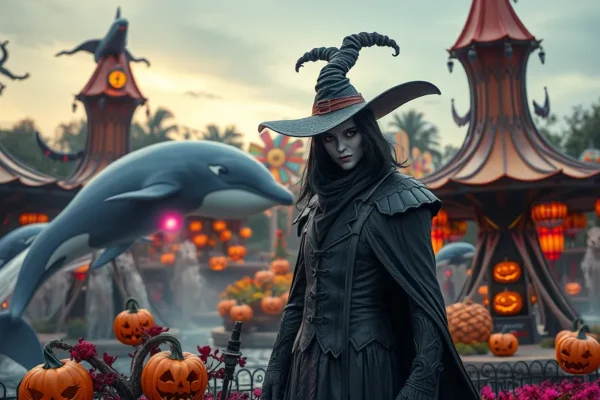
SeaWorld’s Viral Marketing: How ‘Romantasy’ Antiheroes Drove Record Halloween Ticket Sales
The entertainment industry is constantly seeking innovative ways to capture consumer attention. SeaWorld, a name synonymous with marine life parks, recently demonstrated a masterclass in leveraging niche cultural trends for significant commercial success. Their recent SeaWorld Halloween events saw record-breaking sales, largely attributed to a clever marketing strategy centered around what can be termed ‘romantasy antiheroes.’ This approach tapped into a growing online community, demonstrating the power of understanding and engaging with specific subcultures.
Understanding the ‘Romantasy’ Phenomenon
At its core, this development is about SeaWorld’s successful integration of a specific, popular online genre into its traditional theme park offerings. ‘Romantasy’ is a portmanteau of romance and fantasy, referring to a literary genre that blends romantic relationships with fantastical settings, often featuring complex, sometimes morally grey characters. These characters, the ‘antiheroes,’ are not purely good or evil but possess compelling flaws and motivations that resonate deeply with readers. They often embody a certain allure, a kind of dark charisma that appeals to fans seeking characters with depth beyond simple archetypes. The problem SeaWorld aimed to solve was how to attract a younger, digitally-engaged demographic to their Halloween festivities, traditionally focused on scares and traditional monsters.
The significance of this moment lies in SeaWorld’s ability to translate a digital trend into tangible, real-world results. By aligning their immersive Halloween experience with the popular tropes of romantasy, they created a unique selling proposition that cut through the noise of typical Halloween marketing. This announcement, detailed in various theme park industry publications and company statements, highlights a strategic pivot towards cultural relevance.
The Marketing Mechanics Behind the Success
SeaWorld’s marketing strategy didn’t involve developing new rides or attractions in the traditional sense. Instead, it focused on reinterpreting existing Halloween elements through the lens of romantasy tropes. Think of it like a familiar song being remixed with a new, popular beat; the core elements are there, but the presentation is fresh and appealing to a new audience. The “brooding guys” and mysterious, dark romantic themes were not about actual park content but about the narrative and imagery used in their advertising campaigns for their Halloween events, particularly the “Howl-O-Scream” events at parks like the Orlando theme park.
The campaign leveraged social media, particularly platforms like TikTok and Instagram, where romantasy content thrives. They didn’t explicitly create new characters, but rather framed existing haunted houses and scare zones with descriptions and visual cues that echoed the aesthetics and character archetypes popular in romantasy novels. This included emphasizing themes of forbidden romance, dark allure, and characters with hidden depths, appealing to the established fanbase of this genre. The key was to make the park’s offerings feel like a real-world manifestation of the fantasies these readers cherished.
SeaWorld Halloween in Action: Real-World Applications
SeaWorld’s romantasy-themed marketing was most prominently seen during their 2023 Halloween season. The strategy was deployed across multiple parks, including their flagship Orlando theme park, and contributed to what the company reported as record-breaking sales for their Halloween events. This wasn’t a beta test; it was a full-scale marketing campaign designed to drive immediate ticket purchases for a specific seasonal event. The accessibility of these themes through online engagement meant that potential visitors, even those who hadn’t visited SeaWorld in years, were drawn in by the novel marketing approach.
The success of this initiative suggests a broader application for other theme parks and entertainment venues. By identifying and tapping into emergent cultural trends, businesses can create highly targeted and effective marketing campaigns. The ‘romantasy antiheroes’ were not physical attractions but narrative concepts that breathed new life into traditional haunted attractions, proving that a clever marketing strategy can be as impactful as a groundbreaking new ride.
A Competitive Landscape of Entertainment Marketing
The entertainment industry is fiercely competitive, with theme parks constantly vying for consumer attention. While SeaWorld focused on a specific literary genre, other parks employ various strategies. Universal Orlando Resort, for instance, often collaborates with major horror film franchises for its Halloween Horror Nights, leveraging established brand recognition. Disney Parks, while not typically known for outright horror, often incorporates spooky themes with character-driven narratives for their seasonal events.
SeaWorld’s advantage in this instance lay in its ability to tap into a subculture that was highly active online and eager for related experiences. While competitors might focus on mainstream horror, SeaWorld’s ‘romantasy’ angle offered something more niche yet widely popular within that niche. This approach differentiates them by tapping into a specific type of consumer appeal that might be overlooked by broader marketing efforts. It’s a strategic play that capitalizes on the power of online communities and their ability to create viral buzz.
Implications for the Future of Theme Park Marketing
SeaWorld’s success with its ‘romantasy’ marketing has significant implications for how theme parks and other entertainment venues approach their promotional strategies. It signals a shift towards more nuanced, culturally-attuned marketing that moves beyond generic themes. This could lead to a future where parks more actively monitor and integrate popular online trends and subcultures into their seasonal events and marketing campaigns. The economic implications are clear: increased ticket sales and enhanced brand relevance can translate into substantial revenue growth.
Socially, this trend highlights the growing influence of online communities and niche fandoms. It suggests that businesses can foster deeper connections with consumers by understanding and catering to their specific interests, rather than aiming for broad, universal appeal. In the short term, we might see other parks experimenting with similar niche marketing. Long-term, this could lead to a more fragmented yet personalized entertainment landscape, where different venues cater to a wider array of specialized interests.
Navigating the Limitations and Challenges
While successful, this marketing strategy is not without its limitations. The ‘romantasy’ appeal is highly specific, meaning it may not resonate with a broader audience or capture the attention of those unfamiliar with the genre. The challenge lies in translating a literary concept into a physical experience, and if the park’s actual offerings do not adequately meet the expectations set by the marketing, it could lead to disappointment. Furthermore, relying on niche trends can be risky; what is popular today might fade tomorrow.
A significant challenge is ensuring that the immersive Halloween experience lives up to the romanticized, often dark fantasy promised by the marketing. While the “brooding guys” were a narrative device, the actual park scare zones and attractions need to deliver a compelling experience. The potential for backlash also exists if the marketing is perceived as disingenuous or if the theme is poorly executed, alienating both existing fans and potential new visitors. The theme park ticket sales are a direct measure of success, but sustained engagement requires more than just a viral campaign.
The Road Ahead for Themed Entertainment
Looking forward, SeaWorld’s innovative approach suggests a future where theme parks will likely become even more adept at leveraging digital culture. We can expect to see more sophisticated use of social media analytics and a greater willingness to experiment with niche marketing themes. The development of more personalized marketing strategies, perhaps even AI-driven content recommendations tailored to individual consumer interests, could be on the horizon. The trend of blending real-world experiences with digital narratives is likely to intensify.
SeaWorld’s success could pave the way for other entertainment venues to explore similar creative marketing avenues. The ongoing evolution of how audiences consume media and entertainment means that companies must remain agile and responsive to cultural shifts. The focus will likely remain on creating unique, shareable experiences that resonate deeply with specific consumer groups, driving both immediate engagement and long-term brand loyalty. The timeline for widespread adoption of such niche marketing strategies will depend on continued success and the willingness of the broader industry to innovate.
Key Questions and Answers about SeaWorld’s Halloween Success
What exactly were these ‘romantasy antiheroes’ at SeaWorld?
These were not specific characters but rather a marketing concept. SeaWorld used imagery and descriptions in their advertising that evoked the dark, romantic, and often morally complex characters popular in the ‘romantasy’ literary genre, attracting fans of these themes to their Halloween events.
Did SeaWorld actually create new rides based on these antiheroes?
No, the primary innovation was in the marketing strategy. SeaWorld re-framed existing haunted attractions and Halloween programming with a ‘romantasy’ narrative to appeal to a specific online audience, driving SeaWorld Halloween ticket sales.
How did this marketing strategy lead to record-breaking sales?
By tapping into a passionate and active online community, SeaWorld generated significant buzz and consumer appeal. This viral marketing effort translated into a surge in interest and bookings for their Halloween events, resulting in record-breaking sales.
Is this a common marketing strategy in the theme park industry?
While theme parks often use creative marketing, SeaWorld’s specific focus on the ‘romantasy’ subgenre and its successful execution is relatively unique. Many parks focus on broader horror themes or popular franchises, making SeaWorld’s approach a notable departure.
What are the potential downsides of this marketing strategy?
The main challenge is that the appeal is niche; it might not resonate with everyone, and if the actual park experience doesn’t match the romanticized marketing, it could lead to disappointment. Relying on trends also carries the risk of them fading quickly.
When can people experience this type of themed attraction again?
SeaWorld has indicated interest in continuing to explore culturally relevant themes. While not guaranteed, similar marketing strategies could reappear in future SeaWorld Halloween events, or other parks might adopt similar niche approaches to boost theme park ticket sales.
This article explores SeaWorld’s innovative marketing approach for their Halloween events. The information presented is based on publicly available announcements and industry reports. The effectiveness and future implementation of such strategies may vary.











