Understanding Business Cycles and Shifting Consumer Demand
At its core, understanding the situation with MAGA merchandise businesses involves grasping a fundamental economic concept: demand and supply. In simple terms, demand is how much people want a product or service, and supply is how much of that product or service is available. When demand is high, businesses can often sell more and sometimes at higher prices. When demand drops, businesses might have to lower prices or sell less.
Think about a popular toy that everyone wants for the holidays. When demand is sky-high, stores sell out quickly, and sometimes you might even see prices go up due to scarcity. After the holidays, that same toy might go on sale because fewer people are looking for it. The MAGA merchandise business operates on similar principles, influenced heavily by political events and public sentiment. Understanding how these forces interact is crucial for anyone trying to make sense of market trends and consumer behavior.
How Political Landscapes Affect Market Trends
The business of selling political merchandise, like MAGA merch, is directly tied to the political climate and the popularity of the figures involved. The mechanism is straightforward:
1. Campaign and Election Cycles: During an election or periods of high political engagement, interest in related merchandise often surges. Supporters want to show their allegiance and enthusiasm. This increased interest fuels demand for items like MAGA hats, shirts, and flags.
2. Post-Election Shifts: Once an election concludes, the intensity of public engagement can change. If the candidate wins, there might be a sustained demand for celebratory items. However, if the candidate loses, or if the political narrative shifts away from that figure, demand for associated merchandise can naturally decline. This is a common market trend for political merchandise.
3. Changing Political Fortunes: Public sentiment is rarely static. As political landscapes evolve, so does the appeal of specific political brands and figures. This shift directly impacts the consumer behavior of potential buyers.
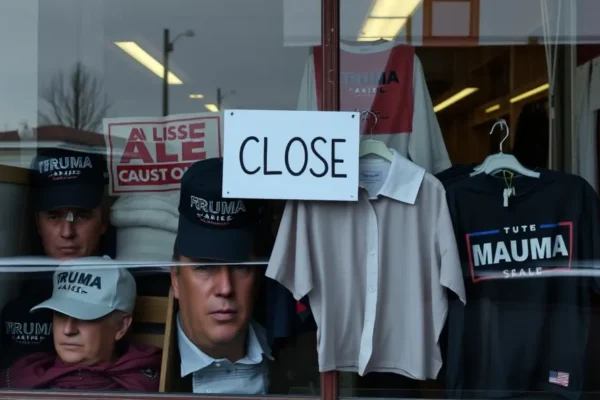
4. Retailer Responses: Faced with changing demand, sellers of MAGA merchandise must adapt. If sales slow, they might reduce prices to clear inventory or attract remaining buyers. They may also close physical shops if their retail closures become no longer sustainable.
For instance, during the height of a presidential campaign, online retailers and even small businesses at Trump rallies might see a boom in sales. However, in the quieter periods between major political events, or when the political spotlight shifts, these sales can taper off significantly. This leads to scenarios where sellers are forced to cut prices on existing stock to recoup some of their investment.
Why Shifting Demand Matters for Small Businesses
Understanding how political landscapes affect market trends is important for several reasons, especially concerning small businesses and the broader economy.
For Individuals and Consumer Behavior: When you see political merchandise being discounted, it’s a signal that demand has likely decreased. This might influence your decision to buy if you were considering it, or it might signal to you that a particular political movement is experiencing a dip in public enthusiasm. For consumers, it’s a tangible sign of changing popularity.
For Small Businesses: For small business owners who specialize in political merchandise, shifts in demand can have a profound impact. A decline in sales means less revenue. This can lead to financial strain, forcing owners to make difficult decisions like closing shops. It highlights the vulnerability of businesses that rely heavily on niche markets that are closely tied to specific personalities or political events. The success of MAGA merch sellers is a prime example of how dependent businesses can be on the fortunes of a political figure.
For the Economy: While a few niche businesses closing might not seem significant, collectively, these market trends reflect broader economic activity. Changes in consumer spending patterns, even in specialized areas, can indicate shifts in consumer confidence and disposable income. For example, if people are spending less on discretionary items like political merchandise, it might suggest they are saving more or spending on essentials, which has wider economic implications like inflation or employment.
The Evolution of Political Merchandise Sales
The sale of political merchandise is not new. For decades, supporters have bought items to express their political affiliations. However, the nature and scale of these sales have evolved, particularly with the rise of the internet and social media.
Historically, political merchandise was often sold at rallies, through direct mail campaigns, or at a few dedicated stores. The sale of MAGA merchandise, particularly during the 2016 and 2020 election cycles, saw a significant surge, fueled by widespread enthusiasm and effective online marketing. This period represented a peak for many merch sellers.
According to data from various political campaign analyses, merchandise sales can represent a significant portion of a campaign’s fundraising. For example, reports often highlight how much revenue was generated from selling items like hats and t-shirts. However, the current situation, where some MAGA merch sellers are closing shops and cutting prices, suggests a business decline or at least a normalization after peak periods. This trend is often observed in the aftermath of major elections, sometimes referred to as post-election sales dips. The changing political landscape and shifts in consumer behavior towards political items are key triggers for this current interest.
Navigating the Market Trends in Political Merch
For anyone observing the MAGA merchandise market or similar niche businesses, several practical points emerge.
Understanding Market Volatility: Businesses that depend heavily on the popularity of a single political figure or movement are inherently subject to volatility. What is popular today can be less so tomorrow. This means that sellers need to be adaptable and potentially diversify their offerings or business models to weather changes in consumer behavior.
Price Adjustments as Indicators: When you see significant price cuts on MAGA merchandise, it’s a clear signal of reduced demand or an excess of inventory relative to current consumer interest. This is a natural market adjustment. Sellers are trying to convert slow-moving stock into cash.
Common Misconceptions: A common misconception is that demand for political merchandise is constant. In reality, it often fluctuates significantly with election cycles and the public’s engagement with political figures. Another misconception is that a decline in merchandise sales directly reflects the ultimate success or failure of a political movement, when it may simply indicate a shift in how supporters choose to express their allegiance.
What to Watch For: When reading news about MAGA merch or similar political merchandise businesses, pay attention to the context. Is it an election year? Is there a major political event driving interest? Are the reports about new product launches or inventory liquidations? These details help interpret the financial health and market trends of these businesses.
Connecting MAGA Merch Trends to Broader Economic Concepts
The situation with MAGA merchandise businesses connects to several broader financial and economic concepts. Understanding market segmentation is key, as these businesses cater to a specific group of consumers. Their success and decline are tied to the size and engagement of this segment.
Furthermore, this scenario illustrates the concept of product lifecycle. Like any product, political merchandise has a lifecycle: introduction (during a campaign), growth (peak popularity), maturity (sustained but perhaps plateaued sales), and decline (as interest wanes). The current news about retail closures and price cuts suggests many MAGA merchandise businesses are in the latter stages of this cycle.
Understanding consumer sentiment is also vital. This refers to the general attitude of consumers towards the economy and financial matters. In the context of political merchandise, it reflects not just political leanings but also the willingness and ability of supporters to spend money on related items. Related concepts include supply chain management (how efficiently goods are produced and delivered) and retail economics (the study of how retail businesses operate and succeed).
Frequently Asked Questions About MAGA Merch Business Decline
Here are some common questions people have about the trends in MAGA merchandise businesses:
What is the primary reason for the decline in MAGA merch sales?
The primary reason is often a shift in political landscapes and a natural decrease in consumer demand following peak election cycles. As political attention moves elsewhere or the intensity of support wanes, sales of associated merchandise tend to fall.
How do Trump election cycles affect MAGA merchandise businesses?
Trump election cycles historically drive significant demand for MAGA merchandise. Business booms during active campaigns and elections, but the post-election period often sees a reduction in sales as the immediate political urgency lessens.
Can individuals influence these market trends through their purchasing decisions?
Individual purchasing decisions collectively contribute to market trends. However, the overall demand for MAGA merchandise is influenced by much larger societal and political factors beyond any single person’s actions.
What are the risks for small business owners selling political merchandise?
The main risk is the high volatility of demand. Small businesses heavily reliant on niche political merchandise can face significant financial challenges if the popularity of the associated figure or movement declines, leading to potential retail closures.
How do current market trends for MAGA merch compare to other political merchandise?
Trends in political merchandise often mirror the popularity of the figures and movements they represent. Like other political merchandise, MAGA merch sales are subject to the ebb and flow of political engagement and public sentiment over time.
What does cutting prices on MAGA merchandise signify about the business climate?
Cutting prices typically signals that sellers have excess inventory and are experiencing lower demand than anticipated. It’s an attempt to clear stock and generate revenue in a less favorable market environment.
This article is for educational purposes only and does not constitute financial advice. Financial situations vary greatly from person to person. Consult with a qualified financial professional before making any financial decisions.