Understanding the Recent Decline in Logitech Stock
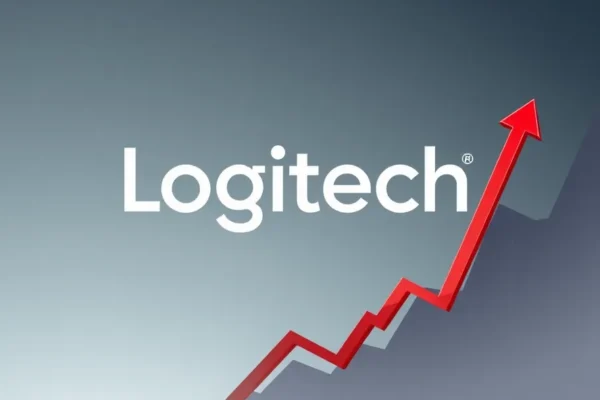
For investors monitoring the hardware and consumer electronics space, the recent volatility surrounding Logitech (NASDAQ: LOGI) has been a significant point of discussion. The Logitech stock price has experienced downward pressure, reflecting broader shifts in how the market values pandemic-era winners. When a recognizable name like Logitech experiences a period of stock tumbling, it often serves as a case study for the transition from the hyper-growth phase of 2020 and 2021 into the more moderated, efficiency-focused environment of the current market cycle.
Market movements are rarely the result of a single event. Instead, they are typically the culmination of evolving consumer demand, supply chain normalization, and shifting macroeconomic expectations. By analyzing the financial performance and official filings of the company, investors can gain a clearer picture of why LOGI stock has faced headwinds and what these trends suggest about the company’s current position within the competitive landscape of gaming peripherals and remote work equipment.
What Triggered the Recent Price Correction
The primary catalyst for the most recent downward trend in Logitech stock stems from the company’s fiscal guidance and shifting revenue forecasts. According to Logitech’s recent quarterly earnings reports, the company has been navigating a complex environment where the extraordinary demand for home-office and gaming hardware, which peaked during the global lockdowns, has reverted to a more traditional growth pattern.
Specifically, the market reacted to management’s conservative outlook regarding sales growth. When a company with a history of double-digit expansion provides a forecast that suggests slowing revenue, institutional investors often re-evaluate their positions. In the case of LOGI stock, the reduction in full-year sales guidance acted as an immediate catalyst for a share price decline. Data from company filings indicates that as enterprise spending on peripheral hardware cools, the company is managing a transition period, moving away from the record-breaking quarters seen in previous fiscal years.
The Financial Context of Logitech Performance
To understand the current volatility, it is necessary to look at the financial performance of Logitech within its broader context. During the height of the work-from-home movement, Logitech experienced an unprecedented surge in revenue. Investors who bought into the tech stocks rally during that period often set expectations based on those peak numbers. However, the current reality for the company is defined by the “normalization” phase.
According to Logitech’s fiscal reporting, the company has had to balance high inventory levels built up during supply chain shortages with a consumer base that has already upgraded its home offices. Two critical metrics currently define their financial story:
- Revenue Growth Normalization: Year-over-year comparisons now reflect a tougher baseline, as the company compares current, more moderate quarters against the explosive demand periods of 2020-2022.
- Operating Margin Pressure: As the company navigates lower sales volume, they are balancing pricing power against the need to maintain market share in a highly competitive gaming peripherals market.
Analyzing the Market Sentiment and Technical Indicators
From an analytical standpoint, the drop in Logitech stock signals a shift in investor risk appetite. Market analysis indicates that investors are currently prioritizing companies with immediate, predictable cash flows over those that rely on continuous hardware refresh cycles. The P/E ratio, a common valuation metric for tech stocks, has adjusted downward for Logitech as the market prices in the potential for slower near-term growth.
The stock market analysis of LOGI suggests that institutional sentiment is currently “wait-and-see.” The volume of trading during price drops indicates that some investors are reducing exposure, while others are analyzing if the current share price accurately reflects the long-term value of the brand’s loyal customer base. It is important to note that markets can be unpredictable, and volatility is a standard feature of tech sector stocks during interest rate adjustment cycles. The key is to distinguish between a temporary market overreaction and a fundamental change in the business model.
Broader Industry Implications and Competitors
Logitech is not operating in a vacuum. The company faces a competitive landscape that includes both specialized gaming peripheral brands and diversified technology giants. When LOGI stock faces downward pressure, it often reflects a broader sentiment toward the consumer discretionary sector.
Industry-wide, the trend toward reduced spending on peripherals is affecting several players in the space. As home offices become established and the “gaming boom” enters a phase of maturity, the entire sector is focusing on innovation rather than simple volume growth. Companies that compete with Logitech are facing the same challenges: how to keep consumers engaged once the initial setup phase of their home workspace or gaming rig is complete. This impact is significant because it suggests that the current stock tumbling is less about Logitech’s specific failures and more about a sectoral realignment of expectations.
Future Outlook and Factors to Watch
Looking ahead, investors should keep a close eye on Logitech’s upcoming earnings calls for specific indicators of stability. Three main factors will likely shift the outlook in the coming months:
- Innovation Cycles: Future revenue growth will likely depend on the company’s ability to introduce new, high-demand products that necessitate upgrades for existing users.
- Macroeconomic Climate: As inflation impacts consumer discretionary budgets, the demand for premium gaming and office peripherals may fluctuate, affecting the overall revenue forecast.
- Inventory Management: The company’s ability to maintain healthy inventory levels while responding to changes in market demand will be a primary indicator of operational efficiency.
The timeline for these changes is tied to global consumer spending habits and the broader tech market cycle. Investors should remain focused on the company’s ability to maintain its market share in the gaming sector, which remains a key revenue driver for the firm.
Frequently Asked Questions
Is Logitech stock a good buy right now?
Determining whether a stock is a “good buy” depends on an individual’s personal financial goals and risk tolerance. Financial analysts generally focus on the company’s long-term fundamentals, such as its market position in gaming peripherals and its ability to maintain profit margins despite cooling demand. Investors should review recent earnings reports and consult with a professional advisor to see how LOGI aligns with their specific investment strategy.
What are the primary risks associated with owning LOGI stock?
The primary risks for Logitech include the normalization of post-pandemic demand, intense competition in the gaming and office hardware space, and broader macroeconomic factors like inflation which reduce discretionary spending. Because the tech sector is sensitive to interest rate changes, any shift in economic policy can also contribute to stock market volatility for companies like Logitech.
How does Logitech compare to its competitors in the peripherals market?
Logitech maintains a strong brand presence in the gaming and workspace peripheral market, often cited for its diverse portfolio and research and development capabilities. Compared to competitors, Logitech has historically shown strong operational efficiency, though it remains vulnerable to the same sector-wide slowdowns that affect other hardware manufacturers in the tech industry.
What caused the recent stock tumbling of Logitech?
The decline in the Logitech stock price is largely attributed to a conservative revenue forecast provided by the company during recent financial updates. This adjustment in expectations reflects a reality where consumer demand for office and gaming hardware has moderated compared to the unprecedented levels observed during the pandemic, leading the market to reprice the stock accordingly.
Where can I find the latest investor updates for Logitech?
The most reliable source for financial performance data is the Logitech Investor Relations website. There, you can access official company filings, such as the 10-K and 10-Q reports, along with transcripts of earnings calls and presentations that detail the company’s current strategic focus and future financial outlook.
Disclaimer: Past performance does not guarantee future results. Markets are volatile, and all investments carry the risk of loss. This article is for informational purposes only and does not constitute financial or investment advice. Investors should consult with a qualified financial advisor and conduct their own research before making any investment decisions.