Tesla Dominates the Nordic Market with Surge in Vehicle Registrations
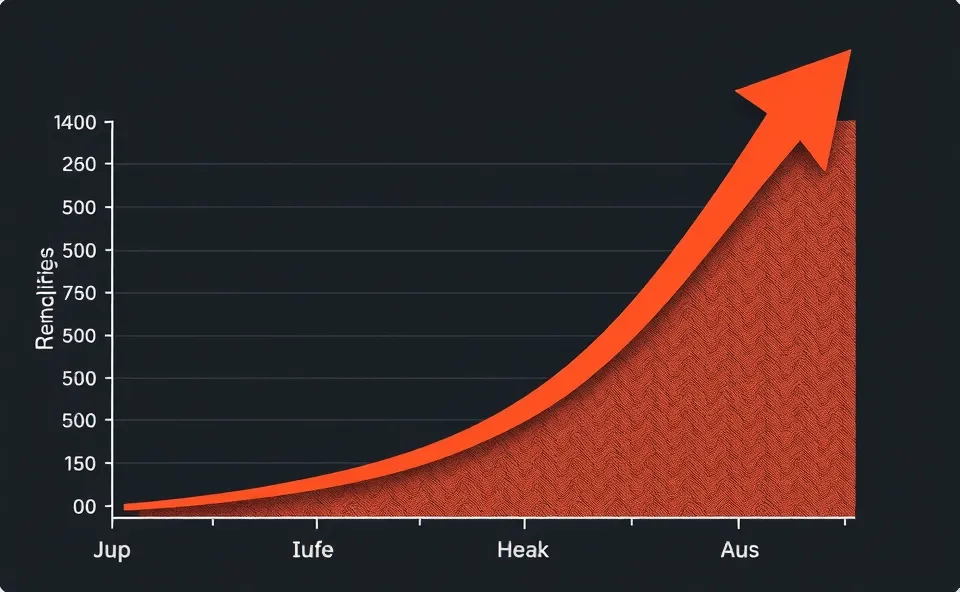
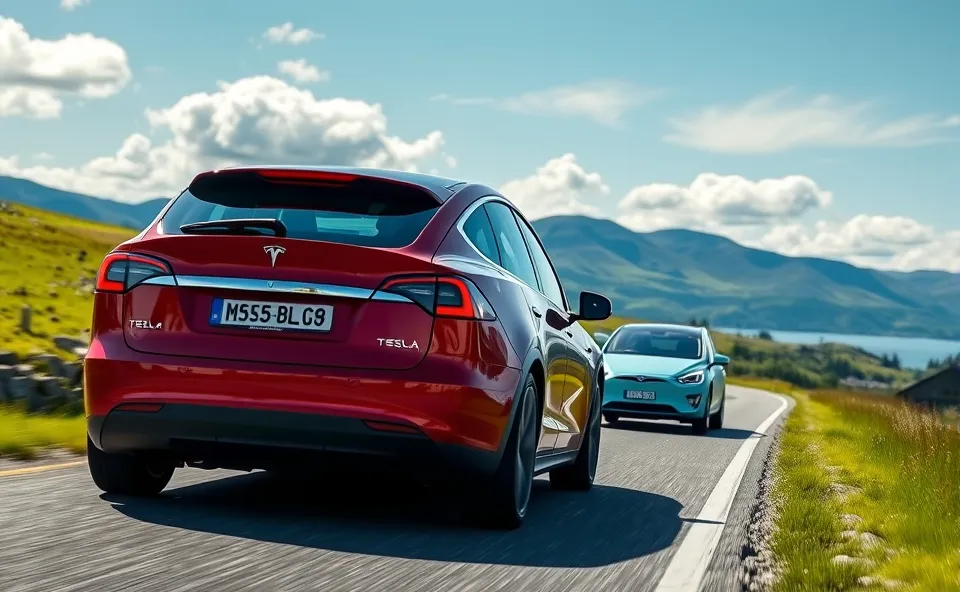
Tesla has seen a significant spike in vehicle registrations across Scandinavia, specifically in Sweden, Norway, and Denmark. Recent data from national registration agencies, including the Opplysningsrådet for Veitrafikken (OFV) in Norway and Mobility Sweden, show that the company is not just maintaining its position but expanding its lead in the region. This growth is driven primarily by the Model Y, which has become one of the best selling vehicles in these countries, regardless of fuel type.
This surge is not a random occurrence. It is the result of a calculated effort by Tesla to increase its market share during a period of high electric vehicle adoption. By combining aggressive pricing strategies with an established charging network, Tesla has captured a large portion of the Scandinavian automotive market. This development signals a shift in how electric vehicles are sold, moving from a niche luxury product to a mass market commodity.
The Strategy Behind the Scandinavian Sales Spike
Tesla’s recent success in Scandinavia is rooted in a strategy called market penetration. Market penetration is a business move where a company lowers prices or increases marketing to attract more customers and take a larger slice of the existing market. Tesla has implemented several price cuts over the last 18 months, making the Model 3 and Model Y more accessible to the middle class.
The timing of these moves is critical. Norway, Sweden, and Denmark have some of the most aggressive sustainable transport goals in the world. For example, Norway aims to end the sale of new petrol and diesel cars by 2025. Tesla recognized that while the demand for electric vehicles was already high, there was a gap in the market for a reliable, high tech vehicle that did not cost as much as a luxury sedan.
Beyond pricing, Tesla leverages vertical integration. This is a strategy where a company owns most of its supply chain and infrastructure rather than relying on third party partners. By owning the Supercharger network, Tesla removes a major psychological barrier for buyers: range anxiety, or the fear that a vehicle will run out of power before finding a charger. This integrated ecosystem makes the decision to buy a Tesla easier for a consumer than buying a vehicle from a brand that relies on fragmented, third party charging networks.
Competitive Dynamics in the Nordic Region
The surge in Tesla, EV sales has created a challenging environment for both legacy automakers and new entrants. In Scandinavia, Tesla is competing against a mix of European giants like the Volkswagen Group and Volvo, as well as aggressive new players from China, such as BYD and NIO.
Tesla’s primary advantage is its software and efficiency. While companies like Volkswagen have launched several electric models, Tesla’s ability to update vehicles over the air (OTA) means the cars improve after they are purchased. This creates a higher perceived value for the customer. Legacy automakers, which often rely on a traditional dealership model, struggle to match this direct to consumer relationship. Dealerships often want to maintain high margins, which can clash with Tesla’s strategy of frequent, rapid price adjustments.
However, the advantage is not absolute. Volvo, which has a strong cultural home in Sweden, offers a level of brand loyalty and localized service that Tesla still struggles to match. Furthermore, Chinese manufacturers are entering the market with very low cost options. If BYD can offer a functional electric vehicle at a price point significantly lower than the Model 3, Tesla may find its market share ceiling lower than expected.
Broad Implications for the Global Automotive Industry
What is happening in Scandinavia serves as a blueprint for the rest of the global automotive market. The Nordics are often seen as a lead market because their adoption of electric vehicles happens years before other regions. When Tesla succeeds here through price cuts and infrastructure dominance, it signals to the industry that the era of high margins on early adopter luxury EVs is ending.
This suggests that the industry is entering a phase of consolidation. To survive, other manufacturers must achieve economies of scale, which is the cost advantage a business gains by increasing the scale of its production. If companies cannot produce batteries and vehicles as cheaply as Tesla or BYD, they risk becoming irrelevant in the mass market.
Moreover, Tesla’s success reinforces the importance of the charging ecosystem. The industry is seeing a shift toward the North American Charging Standard (NACS) and similar efforts to standardize charging. This proves that the vehicle itself is only half of the product; the energy delivery system is the other half. Peer companies are now forced to invest billions in charging infrastructure or partner with existing networks to remain competitive.
Financial and Operational Impacts
From a financial perspective, this surge in registrations is a double edged sword. On the revenue side, higher volume means more cash flowing into the company and a larger footprint of vehicles on the road, which increases the value of Tesla’s ecosystem. More cars mean more potential revenue from software subscriptions, such as Full Self Driving (FSD) capabilities.
However, the operational cost of this growth is significant. To maintain these sales numbers, Tesla has sacrificed some of its gross margins. Gross margin is the percentage of revenue that exceeds the cost of goods sold. When Tesla cuts prices to drive registrations, it earns less profit per vehicle. This is a strategic trade off: Tesla is choosing market share and volume over short term profit per unit.
Operationally, the increase in sales puts pressure on delivery logistics and service centers. In Sweden and Norway, Tesla has had to rapidly expand its service infrastructure to handle the influx of new owners. If the growth in sales outpaces the growth in service capacity, customer satisfaction could drop, which would damage the brand’s long term positioning.
Execution Risks and Market Challenges
Despite the current momentum, Tesla faces several execution risks in Scandinavia. The most immediate risk is regulatory change. Many of the registration surges were fueled by government incentives. In Sweden, for instance, the government removed the climate bonus for electric vehicles, which previously provided a direct financial incentive for buyers. When subsidies vanish, demand often dips unless the company can lower prices even further.
There is also the risk of market saturation. In Norway, electric vehicle penetration is already incredibly high. There are only so many cars that can be sold in a small geographic area. Once the majority of the population has transitioned to an EV, growth will shift from new buyers to replacement buyers. This slows the growth rate and makes the market much more competitive.
Historically, Tesla has struggled with quality control during periods of rapid scaling. The rush to meet delivery targets can lead to gaps in build quality, which is a significant vulnerability when competing against German luxury brands known for precision engineering. If Tesla cannot maintain quality while scaling volume, it may lose the premium segment of the market.
Impact on Stakeholders and Investors
For customers, the surge in sales and subsequent price cuts have created a mixed experience. New buyers benefit from lower prices, but existing owners have seen the resale value of their vehicles drop. This depreciation can lead to frustration among loyalists who feel their investment has been devalued by the company’s pricing volatility.
Investors are currently divided on the strategy. Growth oriented investors view the Scandinavian surge as proof that Tesla can dominate the global transition to sustainable transport. They see the volume increase as a foundation for future software revenue. Conversely, value oriented investors are concerned about the erosion of profit margins. They worry that Tesla is becoming a commodity car company rather than a high growth tech company.
Employees at delivery centers and service hubs face increased operational stress. The push for high volume requires a lean operation, which can lead to burnout and labor disputes, particularly in the Nordic region where labor unions are strong and influential.
Future Outlook and Success Indicators
If this strategy continues to succeed, the next step for Tesla will be the introduction of a more affordable model, often referred to as the Model 2. To maintain the growth seen in Sweden, Norway, and Denmark, Tesla must move further down the price curve to capture the remaining segment of the population that cannot afford a Model 3.
Key milestones to watch include the stability of registration numbers following the removal of government subsidies. If Tesla can maintain sales volume without government help, it proves that the product has genuine mass market appeal. Additionally, the expansion of the Supercharger network to non Tesla vehicles in Europe will be a critical indicator. Opening the network could turn a competitive advantage into a new revenue stream.
Over the next 12 to 24 months, the success of this move will be measured by whether Tesla can grow its fleet without further degrading its profit margins. The goal is to reach a point where the volume of sales offsets the lower price per unit, leading to higher overall profitability.
Strategic Questions and Analysis
Why did Tesla choose to cut prices in Scandinavia despite high demand?
Tesla used pricing to preempt competitors and secure market share. By lowering prices, they made it difficult for new entrants from China and legacy European brands to enter the market with a competitive value proposition.
Will the surge in Tesla, EV sales be sustainable without government subsidies?
It depends on the cost of production. If Tesla can continue to lower the cost of battery manufacturing, they can keep prices low enough to maintain demand even when government bonuses are removed.
How do these registration numbers affect other automotive brands?
Competing brands are forced to either lower their prices or offer better financing terms. This creates a price war that benefits the consumer but pressures the profit margins of every manufacturer in the region.
What are the primary risks to Tesla’s market share in Denmark and Sweden?
The primary risks are the entry of low cost Chinese EVs and the potential for infrastructure bottlenecks if the charging network cannot keep up with the number of vehicles on the road.
Does the increase in volume signal a shift in Tesla’s brand identity?
Yes, it suggests a shift from a luxury, exclusive brand to a mass market transport provider. This increases total revenue but reduces the prestige associated with owning a Tesla.
How long will it take for these strategies to impact the bottom line?
The financial impact is immediate in terms of volume, but the long term profitability depends on the successful rollout of software services and the launch of a lower cost vehicle platform.
Note: All business outcomes discussed are subject to execution risk, market volatility, and regulatory changes.