The Rise of Dating App Profile Shaming
The modern digital landscape has created a peculiar intersection between private romantic pursuits and public performance. Dating app profile shaming has emerged as a dominant subgenre on platforms like TikTok and Instagram, where users record videos mocking the bios, photos, or prompts of strangers they encounter on services like Tinder, Hinge, or Bumble. This trend, often disguised as humorous commentary or critique provided by self-appointed relationship coaches, has transformed the intimate process of finding a partner into a spectator sport.
The problem is clear: individuals who sign up for dating apps expect a level of privacy, even if the pool of users is large. When a profile is broadcast to thousands of strangers without consent, it violates the unspoken social contract of online dating. In response, app developers are increasingly turning to software-based solutions, specifically screenshot blocking and screen recording detection, to safeguard user data and maintain the integrity of their platforms. This shift represents a significant move toward prioritizing digital etiquette over the viral nature of contemporary social media content.
How Anti-Screenshot Technology Works
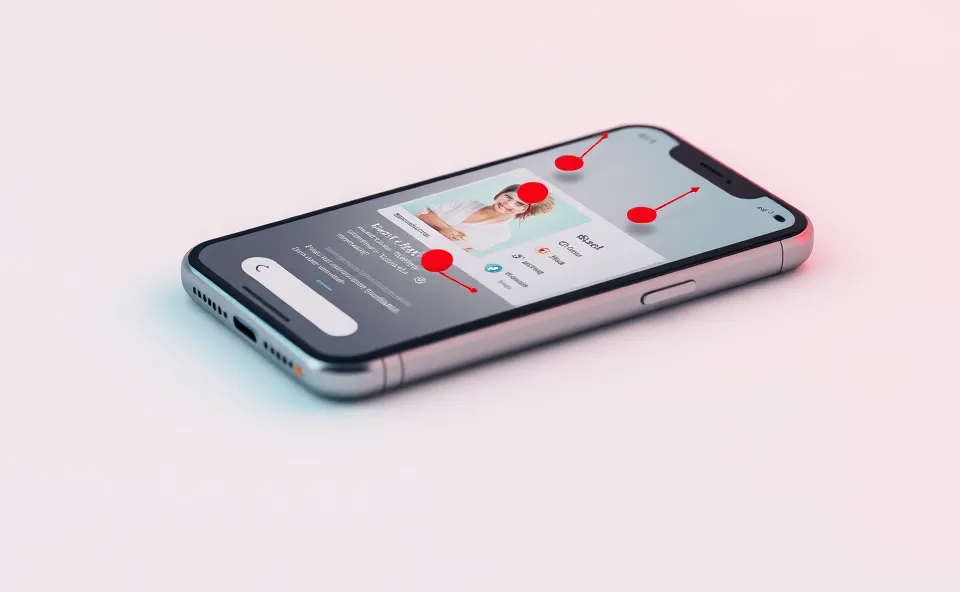
At its core, screenshot blocking uses the security APIs or application programming interfaces built into mobile operating systems like iOS and Android to detect when a user triggers a screen capture command. Think of it like a digital bouncer standing at the door of a private club. When the operating system detects a “print screen” or “record screen” command, the app instructs the phone to return a black screen or an error message instead of the actual content of the dating profile.
This mechanism relies on the app having deep-level permissions within the phone’s operating system. For example, some Android apps utilize the Flag Secure feature, which prevents the content of the activity from appearing in screenshots or on non-secure displays. While this is a common security practice in banking and password management apps, its application in social discovery is a relatively new development. The goal is to make the act of gathering content for profile critiques technically impossible, or at least inconvenient enough to discourage the behavior entirely.
Current State and Real-World Applications
The implementation of these tools is currently in a state of early adoption among major dating services. Bumble, for instance, has been a leader in this space, having implemented features that restrict the ability to take screenshots of private messages and specific profile elements. Many platforms now include sophisticated moderation AI that monitors for unusual activity, such as a user attempting to capture dozens of profiles in a short period, which may trigger a temporary account restriction.
Industry-wide, the move is toward creating “safe zones.” Companies are beginning to prioritize dating app privacy as a primary feature in their marketing, positioning it as a way to attract users who have become wary of being featured in viral roasting videos. While these protections are becoming more common, they are primarily accessible on modern smartphones that support the latest security updates, meaning users on older devices may still be susceptible to data scraping.
The Competitive Landscape of Privacy Protection
The tech sector is currently divided on how to handle dating app content trends. On one side are the platforms that view privacy as a core value proposition. Bumble and Hinge have taken aggressive stances, integrating built-in reporting tools that allow users to flag content that has been leaked elsewhere. These companies argue that a safer user experience leads to higher long-term retention rates.
Conversely, some smaller or niche apps are hesitant to implement total blocks, fearing that the ability to share profiles is part of the social fabric of the internet. They argue that users should have the agency to share a profile with a friend for advice. The advantage goes to larger platforms with the budget to develop proprietary software that can distinguish between a user sharing a link with a trusted friend and a creator bulk-scraping data for a social media post. These platforms differentiate themselves by focusing on user safety as a product feature rather than an afterthought.
Implications for Social Media and Dating
The shift toward restrictive sharing will likely reshape how content creators operate. If screenshot blocking becomes the industry standard, the supply of content for dating app profile shaming will dry up, forcing creators to move toward less invasive forms of comedy or advice. Economically, this could mean a decline in the engagement numbers for channels that rely solely on mocking the dating lives of strangers, potentially forcing a pivot in the creator economy.
Socially, the impact is largely positive for the average user. By reducing the fear of public humiliation, platforms hope to increase the quality of interactions. Users are more likely to be vulnerable and authentic when they do not fear their profile will appear on a TikTok “cringe compilation” the following morning. Over the long term, this could lead to more genuine connections, as the incentive for “performance” shifts away from impressing a viral audience toward actually matching with a compatible partner.
Limitations and Challenges
Despite the promise of these technologies, there are significant technical and practical hurdles. The primary limitation is the “analog hole.” Even if an app prevents a screenshot, a user can simply use a second device, such as a secondary phone or camera, to photograph their screen. Software cannot prevent physical photography of a screen.
Furthermore, there is a constant tension between security and accessibility. Overly restrictive apps can frustrate users who simply want to share a profile with a best friend to ask for a second opinion. Striking the right balance is difficult. Additionally, there is a global regulatory landscape to consider; while companies are moving to protect privacy, they must comply with varying regional data protection laws, such as the GDPR in Europe, which dictate how user data is shared and stored.
The Future Trajectory of Privacy Tech
Looking ahead, we can expect the integration of more sophisticated artificial intelligence that monitors for “contextual misuse.” Instead of just blocking screenshots, future systems might use machine learning to identify when a user is likely preparing to engage in social media shaming, such as by rapidly switching between profiles without interacting. These systems will likely provide soft nudges, warning the user about the site’s terms of service before taking punitive action.
We are likely to see a shift toward “verified connection” models, where deeper profile details are only unlocked after an initial interaction, reducing the amount of surface area available for bad actors to scrape. The timeline for this transition is likely over the next 2 to 4 years, as platforms refine their moderation algorithms to be both effective and unobtrusive.
Key Questions and Answers
Is dating app profile shaming officially being outlawed?
No, there is no blanket law against it. However, most dating apps have updated their terms of service to categorize the non-consensual sharing of user profiles as a violation of privacy, which can lead to permanent account bans.
Do screenshot blocking tools actually work?
They are effective at preventing automated or casual screenshotting via software, but they cannot stop a user from taking a photo of their phone screen with a second camera. They are a deterrent, not an absolute guarantee of privacy.
Who benefits most from these new privacy measures?
The primary beneficiaries are the everyday users who want to explore dating without the fear of becoming a viral meme. By fostering a sense of safety, platforms also benefit from higher user trust and retention.
Why is this a topic of concern now?
The rise of short-form video platforms like TikTok has made it incredibly easy to reach a massive audience with very little effort. Dating app content trends have exploded because the “cringe” factor generates high engagement, leading to a rise in social media shaming that feels more predatory than in the past.
Are relationship coaches against these privacy features?
Professional, ethical relationship coaches generally support these features, as they foster a healthier environment for their clients. The only coaches impacted are those who rely on public, often mean-spirited, profile critiques to build their personal brand.
How long until these features are universal?
We are currently in a transition period. Most major platforms already have some form of protection in place, and we expect these features to be standard across even smaller, niche apps within the next few years as user demand for privacy continues to climb.
Disclaimer: This article provides an analysis of current technological trends based on existing platform features and public company disclosures. Screen-capture prevention methods are subject to rapid evolution, and their efficacy remains dependent on both hardware limitations and user behavior.