

When Fuel Takes Flight: Understanding the Airline Industry’s Oil Challenge
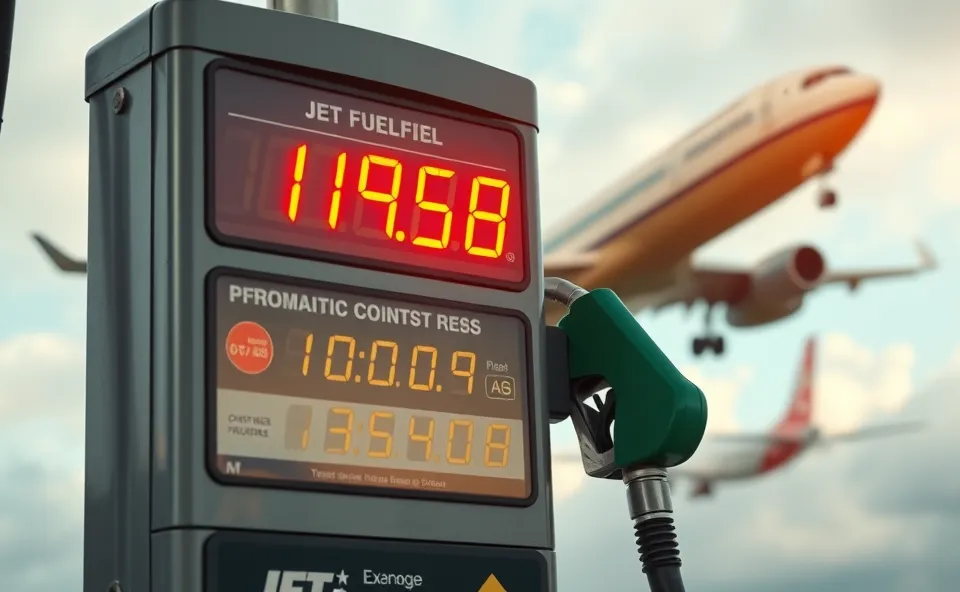
Imagine planning a trip, looking forward to seeing new places or visiting loved ones, only to find the ticket prices have soared, or your usual flight path is no longer available. This isn’t just a hypothetical scenario; it is a very real challenge facing the global airline industry right now. We’re seeing a significant squeeze on airlines due to skyrocketing jet fuel prices, a situation that many are calling an impending oil crisis for sectors heavily reliant on energy.
It’s not that the world is suddenly running out of oil. Instead, it is a complex brew of factors creating intense pressure on prices. When we talk about an oil crisis in this context, we mean a situation where the cost of crude oil and its refined products like jet fuel becomes so expensive that it profoundly impacts businesses and consumers, potentially leading to widespread economic turbulence. For airlines, fuel is often their biggest operating expense, so any sharp increase quickly translates into difficult decisions and a ripple effect across the economy.
Why Everyone is Talking About High Energy Prices Now
The conversation around rising energy prices and their potential economic impact is everywhere, and for good reason. Several forces have converged to push fuel costs higher than we have seen in years. For one, the world economy is still shaking off the effects of recent global disruptions, leading to uneven supply chains and a sudden surge in demand as people and businesses try to catch up.
Beyond that, we are navigating a landscape shaped by significant geopolitical shifts. These global events, without getting into specifics, often create uncertainty in energy markets. When there’s any hint of supply disruption or increased demand, oil prices react swiftly. This creates a challenging environment for industries like air travel, which need stable, predictable fuel costs to operate efficiently. The increased cost of doing business eventually trickles down to consumers through higher ticket prices, impacting everything from vacation plans to the cost of shipping goods, fueling broader concerns about inflation and a potential slowdown in the global economy.
Airlines and the Age-Old Fuel Dilemma
The link between airlines and oil prices is not new. In fact, it is a relationship that has defined the industry for decades. The airline industry has always been particularly sensitive to the cost of fuel. Think back to past decades; spikes in oil prices have often coincided with difficult times for airlines, sometimes even pushing weaker carriers out of business.
Over the years, airlines have tried various strategies to protect themselves. Many engage in “fuel hedging,” which involves buying fuel at a predetermined price for future delivery, hoping to lock in lower rates. They have also continuously invested in more fuel-efficient aircraft, pushing engineers to design planes that can fly further on less fuel. Mergers and acquisitions have also been a way for airlines to gain scale and better withstand economic shocks. However, even with these sophisticated strategies, a rapid and sustained increase in jet fuel prices can quickly outpace any hedging benefits or efficiency gains, bringing the industry back to a familiar crossroads where high fuel costs threaten profitability and stability.
The Ripple Effect: What This Means for Us and the Global Economy
The current surge in jet fuel prices has a wide-ranging impact, affecting everyone from the individual traveler to the very fabric of the global economy.
For us, the everyday consumer, the most immediate effect is likely to be seen in our wallets.
- Higher Ticket Prices: Airlines will pass on some of their increased operating costs to passengers. This means your next flight might be more expensive.
- Fewer Choices: To save costs, some airlines might reduce flight frequencies, cut less profitable routes, or use smaller, more fuel-efficient planes, leading to fewer options for travelers.
- Travel Budget Constraints: Higher prices could make leisure and business air travel less accessible or force people to scale back their travel plans.
For airlines themselves, the situation is precarious. Their airline profits are under immense pressure. Higher fuel bills mean less money for investments, debt repayment, or even maintaining existing operations. This can lead to difficult decisions about staffing, routes, and fleet management.
On a broader scale, the economic impact is significant.
- Supply Chain Disruptions: Air cargo is crucial for many global supply chain operations. Higher costs for flying goods mean higher prices for everything from electronics to fresh produce, contributing to inflation.
- Inflationary Pressure: The rising cost of transportation, driven by expensive fuel, fuels overall inflation across many sectors, eroding purchasing power.
- Risk of Economic Recession: If high energy prices persist and combine with other economic headwinds, they can dampen consumer spending and business investment, potentially contributing to an economic recession. This is a primary concern for policymakers worldwide.
This situation is a stark reminder of how interconnected our world is and how a single commodity’s price can send shockwaves through multiple industries.
Navigating the Turbulance: What Happens Next for Airlines
Looking ahead, the airline industry is not just sitting idle; it is actively trying to mitigate the impact of rising fuel costs. Airlines are exploring several strategies to weather this storm and adapt to a future where high energy prices might be more common.
One key area of focus is technological innovation. Airlines are pushing for the development and adoption of Sustainable Aviation Fuels (SAF). These alternative fuels, often made from waste products or agricultural sources, can significantly reduce carbon emissions and offer a path to less reliance on traditional jet fuel. While still relatively expensive and not widely available, investments in SAF are picking up speed. Airlines are also continuing to upgrade their fleets with the latest generation of aircraft, which are inherently more fuel-efficient due to advanced aerodynamics and engine technology.
Operationally, airlines are getting smarter about how they fly. This includes optimizing flight paths to avoid headwinds and reduce air time, fine-tuning take-off and landing procedures, and even reducing the weight carried on planes. They are also carefully managing their capacity, matching the number of available seats to expected demand more precisely to avoid flying half-empty planes.
From an economic perspective, if jet fuel prices remain elevated, we could see a continued consolidation within the industry, as smaller or weaker airlines struggle to compete. There might also be a push for greater governmental support for sustainable aviation initiatives, recognizing the critical role air travel plays in the global economy. While there’s no crystal ball, the drive towards greater efficiency and sustainability is likely to accelerate, shaping the future of air travel for decades to come.
Your Top Questions About the Oil Crisis and Airlines Answered
How does an oil crisis directly affect the airline industry?
An oil crisis, often characterized by rapidly rising prices, directly impacts the airline industry by significantly increasing their largest operating expense: jet fuel prices. This leads to reduced airline profits, higher ticket costs for consumers, and potential cuts to routes or services.
What causes jet fuel prices to fluctuate so much?
Jet fuel prices fluctuate due to a mix of global oil supply and demand dynamics, geopolitical events that can disrupt oil production or transport, refinery capacity, and seasonal changes in demand for travel and energy. The volatility makes financial planning difficult for airlines.
Could rising fuel costs lead to a wider economic recession?
Persistently high fuel costs can contribute to a wider economic recession by driving up inflation, increasing transportation costs across all industries (impacting the supply chain), reducing consumer purchasing power, and dampening business investment. This widespread impact slows down economic activity.
What are airlines doing to cope with high energy prices?
Airlines are coping with high energy prices by investing in more fuel-efficient aircraft, implementing operational changes to reduce fuel burn (like optimizing flight paths), exploring the use of Sustainable Aviation Fuels (SAF), and sometimes employing financial hedging strategies to lock in future fuel costs.
How might rising jet fuel prices impact typical air travel plans?
Rising jet fuel prices can significantly impact typical air travel plans by leading to more expensive tickets, fewer available flights or routes as airlines adjust capacity, and potentially longer travel times if carriers choose more fuel-efficient but less direct paths. This could mean travelers need to book further in advance or adjust their budgets.











