

A Lifeline in the Digital Darkness: Understanding Mahsa Alert
Imagine living in a place where the news can change in an instant, and reliable information becomes a precious commodity. Now, picture ordinary people stepping up, using their skills to build a critical warning system when official channels are slow or silent. That is the story behind Mahsa Alert, a remarkable volunteer-built missile warning system emerging from Iran, offering a glimmer of hope and vital information during uncertain times.
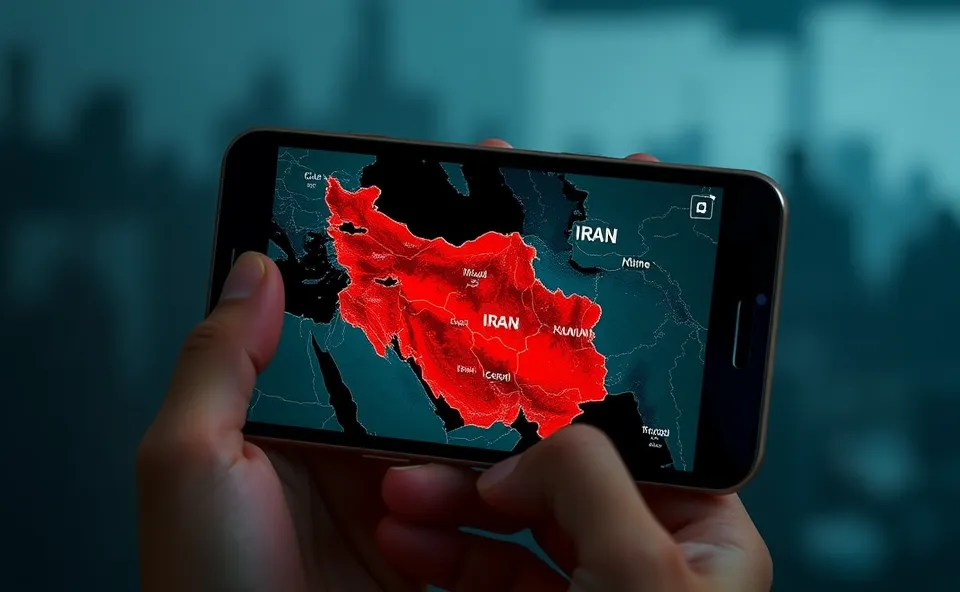
At its heart, Mahsa Alert is a crowdsourced safety network, designed to provide timely alerts about potential missile threats. It is not an official government service but rather a testament to citizen initiative. A dedicated group of Iranian volunteers, often working remotely and anonymously, developed this system. Their goal is simple: to help fellow citizens stay safe by sharing crucial emergency alerts as quickly as possible. The system primarily operates as a live, interactive map, visually showing areas under potential threat or where incidents have been reported. It leverages community input, cross-referencing information to verify potential threats, and then broadcasting these warnings to those who need them most.
Why Everyone is Talking About Iran’s Volunteer Warning Map Now
The conversation around Mahsa Alert has grown significantly, especially given the recent increase in geopolitical tensions, particularly surrounding the US Israel conflict. In periods of heightened regional instability, the fear of escalation is palpable, and the need for immediate, trustworthy information becomes paramount. Traditional communication infrastructure can be unreliable during such times, making citizen-led solutions incredibly valuable.
Crucially, Mahsa Alert’s relevance is amplified by the frequent internet blackout situations that occur in Iran. When state-controlled internet access is restricted or completely cut off, people are left in the dark, unable to access news, communicate with loved ones, or find safety information. This makes a system like the volunteer warning map an essential tool. It offers an alternative, often more resilient, pathway for crisis communication, bypassing official bottlenecks and censorship. People are searching for answers, for ways to understand how communities cope, and how technology is being repurposed for survival in challenging environments.
The Genesis of a Citizen Initiative
The creation of Mahsa Alert did not happen in a vacuum. It was born out of a real and pressing need felt by many Iranians. In a country that has faced various forms of regional conflict and internal unrest for decades, the idea of having a reliable, independent source for emergency alerts has always been critical. Past events, including periods of intense social protest met with internet shutdowns, highlighted the vulnerability of a population dependent on centralized communication systems.
The Iranian volunteers behind Mahsa Alert understood this gap. They recognized that while official warning systems exist, their reach might be limited, or their information flow might be controlled during sensitive periods. Inspired by the desire to protect their community, these individuals – often tech professionals, activists, or simply concerned citizens – pooled their expertise. They built the system using open-source tools and distributed networks, designing it to be as resistant as possible to traditional forms of censorship or disruption. This grassroots effort is a powerful example of how necessity can drive innovation, creating a crowdsourced safety net when traditional safeguards fall short.
The Real-World Impact of Crowdsourced Safety
The impact of Mahsa Alert extends far beyond just delivering notifications. For individuals and families in Iran, it represents a crucial source of peace of mind during highly stressful periods. Knowing there is a channel, however unofficial, dedicated to providing Iran missile alert information can empower people to make informed decisions about their safety – whether that means seeking shelter, moving to a safer location, or simply being prepared.
-
Empowering Citizens: It shifts some control over vital information from central authorities to the community, fostering a sense of shared responsibility and mutual aid.
-
Navigating Internet Blackouts: The system’s design often incorporates methods to circumvent internet restrictions, such as using satellite internet, mesh networks, or encrypted messaging apps for distribution, making it a critical tool during an internet blackout. This ensures emergency alerts can still reach people when other services fail.
-
Challenging Traditional Systems: While not a replacement for official warnings, Mahsa Alert demonstrates the power of decentralized communication. It highlights how quickly and effectively a dedicated group of Iranian volunteers can mobilize technology to serve public safety needs, even under significant constraints.
-
Building Trust: In environments where trust in official information can sometimes be low, a volunteer-driven system built by and for the people can foster greater confidence among its users.
For technology, Mahsa Alert showcases the resilience and adaptability of internet infrastructure and human ingenuity. It proves that even in environments designed to control information, determined individuals can find ways to create open and critical communication channels. This kind of citizen initiative pushes the boundaries of crisis communication and emergency response, setting a new benchmark for how communities can protect themselves.
What Lies Ahead for Warning Systems and Citizen Initiatives
The future for systems like Mahsa Alert is likely to be dynamic and complex. As geopolitical tensions ebb and flow, the demand for such independent warning systems will persist. We might see further innovations in how these systems operate, perhaps integrating more sophisticated methods for data verification or diversifying their communication channels to further enhance resilience against internet blackout scenarios.
It is also plausible that the success of Mahsa Alert could inspire similar citizen initiative efforts in other regions facing conflict or communication challenges. The model of crowdsourced safety, powered by volunteers and designed to bypass traditional restrictions, offers a blueprint for communities worldwide. However, these systems will also face ongoing challenges, including maintaining operational security, ensuring data accuracy, and continuously adapting to new forms of digital disruption or censorship. The ongoing struggle between those seeking to control information and those striving to keep it free will continue to shape the evolution of such vital warning systems.
Ultimately, Mahsa Alert stands as a powerful reminder of human determination. It illustrates how, even in the most challenging circumstances, technology, combined with the tireless efforts of Iranian volunteers, can become a tool for empowerment, safety, and hope.
Common Questions About This Innovative Warning Map
What is Mahsa Alert?
Mahsa Alert is a volunteer-built, crowdsourced missile warning system in Iran. It uses an interactive map and various communication channels to provide emergency alerts to citizens about potential threats, offering crucial information during times of conflict and internet blackouts.
How does Mahsa Alert help during an internet blackout?
The system is designed to be resilient against internet blackout conditions. Iranian volunteers utilize alternative communication methods, such as satellite internet, encrypted messaging apps, and mesh networks, to ensure the Iran missile alert reaches users even when traditional internet services are disrupted.
Who are the Iranian volunteers behind this system?
The Mahsa Alert system is developed and operated by a dedicated group of anonymous Iranian volunteers. These individuals often possess technical expertise and are driven by a desire to provide crowdsourced safety and vital information to their community during crises.
What role does crowdsourced safety play in Mahsa Alert?
Crowdsourced safety is central to Mahsa Alert. The system relies on community input and verification to identify and disseminate emergency alerts. This collective effort enhances the speed and accuracy of warnings, fostering a sense of mutual aid among citizens.
How does Mahsa Alert relate to geopolitical tensions like the US Israel conflict?
Mahsa Alert gains increased relevance during periods of heightened geopolitical tensions, such as the US Israel conflict. In such times, the risk of missile threats increases, and official communication channels may be limited, making independent, citizen-led warning systems critical for crisis communication and public safety.











