

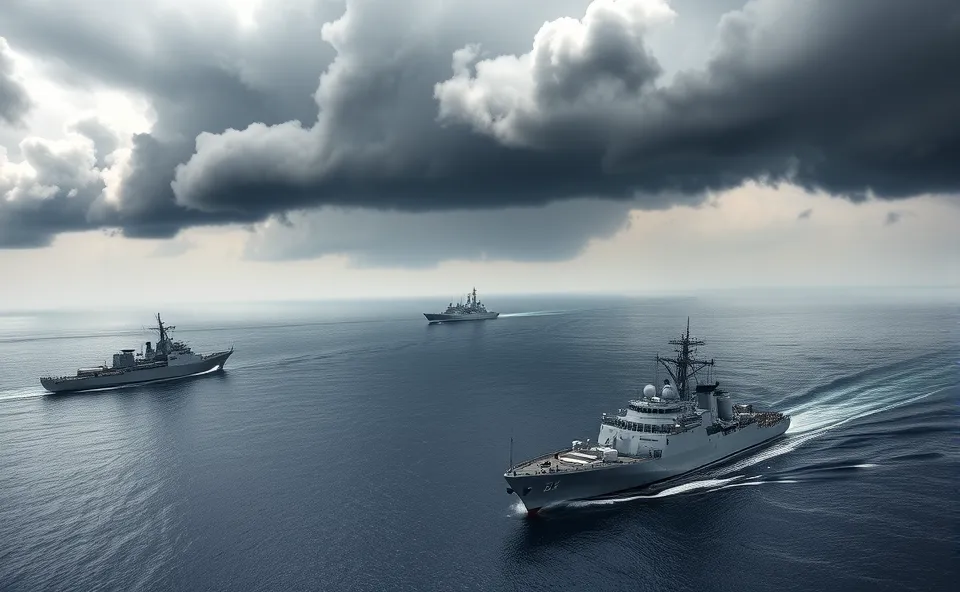
The World Holds Its Breath: Iran and the Strait of Hormuz Flare-Up
It’s a name that often pops up in major global news headlines, and sadly, it’s back in focus with serious implications. Iran has reportedly closed the Strait of Hormuz, a move that immediately ratchets up tension in an already fragile region. Think of this waterway as a crucial highway for global trade, especially for oil. When it’s blocked or threatened, the ripples are felt far and wide. This development comes amid a backdrop of escalating conflict with Israel, raising fears that a delicate ceasefire could shatter. The question on many minds is: will the US step in to ensure the free passage of ships, as it has in the past?
Why This News is Suddenly Everywhere
You’re seeing this story everywhere right now because a key global choke point has been directly threatened. When we talk about the Strait of Hormuz, we’re talking about a critical artery for the world’s energy supply. Any disruption here sends immediate shockwaves through financial markets and raises the specter of higher energy costs for everyone. People are searching for this news because it directly impacts their wallets, the stability of nations, and the ongoing geopolitical dance between major world powers. This isn’t just a regional squabble; it’s a global concern with immediate financial and security implications.
A Look Back: Decades of Tension in the Middle East
To truly understand what’s happening with Iran and the Strait of Hormuz today, we need a little history. This region, the Middle East, has been a hotbed of geopolitical activity for decades. The Strait of Hormuz, nestled between Iran and Oman, is not just a narrow stretch of water; it’s a strategic prize. Control over this strait means influence over who gets to ship oil and goods in and out of the Persian Gulf. Iran has, at various times, used the threat of closing the Strait of Hormuz as leverage during periods of heightened tension. This has often involved naval maneuvers and rhetoric aimed at deterring adversaries, particularly the United States and its allies, including Israel.
The history of conflict and shifting alliances in the Middle East is complex. We’ve seen wars, sanctions, and a constant push and pull for regional dominance. The current escalation with Israel adds another layer to this long-standing narrative. The fragile ceasefires that sometimes emerge are often tested, and the Strait of Hormuz remains a consistent flashpoint because of its immense strategic and economic importance. Understanding this historical context helps explain why such an event triggers immediate global attention and concern.
The Far-Reaching Consequences of Blocked Waterways
So, what does the closure of the Strait of Hormuz actually mean for us, for businesses, and for the world stage? The impact is multifaceted and significant.
- Global Trade and Oil Prices: This is the most immediate concern. A vast amount of the world’s oil supply passes through the Strait of Hormuz. If it’s blocked, even for a short period, we could see a sharp spike in oil prices. This affects everything from the cost of gasoline at the pump to the price of goods shipped across the globe. Businesses relying on oil as a commodity or for transportation will feel the pinch. This is a classic example of how geopolitical risk directly translates into economic impact.
- Heightened Middle East Tension: The situation immediately amplifies existing tensions in the Middle East. With Iran and Israel already in conflict, this move by Iran adds a dangerous new dimension. It raises the stakes and could potentially draw in other regional or international players. The fragile ceasefire, if one was indeed in place, is now under immense pressure.
- US Commitments and Global Stability: The United States has long played a role in ensuring freedom of navigation in this critical waterway. The world watches to see how the US will respond, and whether it will uphold its commitments to keeping the Strait of Hormuz open. The response from Washington will signal the US’s broader approach to regional security and its alliances.
- Geopolitical Risk Assessment: For investors and businesses, this event flags a significant increase in geopolitical risk. Companies that operate in or rely on the Middle East will be reassessing their strategies and supply chains. This uncertainty can slow down investment and economic growth globally.
- Technological and Naval Implications: While not always directly in the headlines, such events highlight the importance of naval power, intelligence gathering, and advanced maritime security technologies. Ensuring the safety of shipping lanes often involves sophisticated surveillance and rapid response capabilities.
Looking Ahead: What Might Happen Next?
Predicting the future is always tricky, but we can look at historical patterns and the current dynamics to understand potential paths forward. The situation with Iran and the Strait of Hormuz is highly volatile.
One immediate possibility is a diplomatic push. International actors will likely be working behind the scenes to de-escalate the situation and find a way to reopen the strait. This could involve direct talks, mediation, or increased international pressure.
Another path is a military response or increased naval presence. If the US and its allies deem the threat to global shipping too great, they might increase their naval patrols in the area to ensure freedom of navigation. This carries its own risks, as any miscalculation could lead to unintended escalation.
We might also see a period of prolonged tension and uncertainty. Iran could maintain the threat of closure, leading to ongoing disruptions and heightened risk premiums for oil. This scenario would keep global markets on edge and impact long-term business planning.
The focus on Senator JD Vance, for example, might reflect discussions or debates about America’s role and commitments in international security, especially concerning regions like the Middle East. His perspective, or that of others in similar positions, could influence how the US navigates such crises.
Ultimately, the resolution will likely depend on the complex interplay of diplomatic efforts, military posturing, and the economic consequences felt globally. The world is watching very closely.
Frequently Asked Questions About Iran and the Strait of Hormuz
- What is the Strait of Hormuz and why is it so important for Iran?
The Strait of Hormuz is a narrow waterway connecting the Persian Gulf to the Gulf of Oman and the open sea. It is incredibly important for Iran because it is a crucial chokepoint for oil exports from the Persian Gulf region, giving Iran significant strategic leverage.
- How does Iran’s action regarding the Strait of Hormuz affect global trade?
When Iran threatens or closes the Strait of Hormuz, it severely disrupts global trade, especially the flow of oil. This disruption can lead to significant increases in oil prices, impacting transportation costs and the prices of countless goods worldwide.
- What are the implications of this event for the ceasefire with Israel?
The escalation involving the Strait of Hormuz by Iran directly jeopardizes any existing fragile ceasefire with Israel. It raises the tension significantly and increases the risk of wider conflict in the Middle East, making the prospect of sustained peace even more remote.
- How might the US respond to the closure of the Strait of Hormuz, given its commitments?
The US has historically committed to ensuring freedom of navigation in international waters. A response to a closure of the Strait of Hormuz could range from diplomatic pressure and increased naval presence to more direct actions aimed at reopening the waterway, depending on the severity and duration of the blockade.
- What is the broader geopolitical risk associated with Iran and the Strait of Hormuz tensions?
The tensions surrounding Iran and the Strait of Hormuz introduce substantial geopolitical risk. This includes the potential for regional conflicts to widen, significant fluctuations in global oil prices, and broader instability in the Middle East, which can have ripple effects on international relations and economic markets.











