

Why Your Gas Tank Gets a Break on Reservations
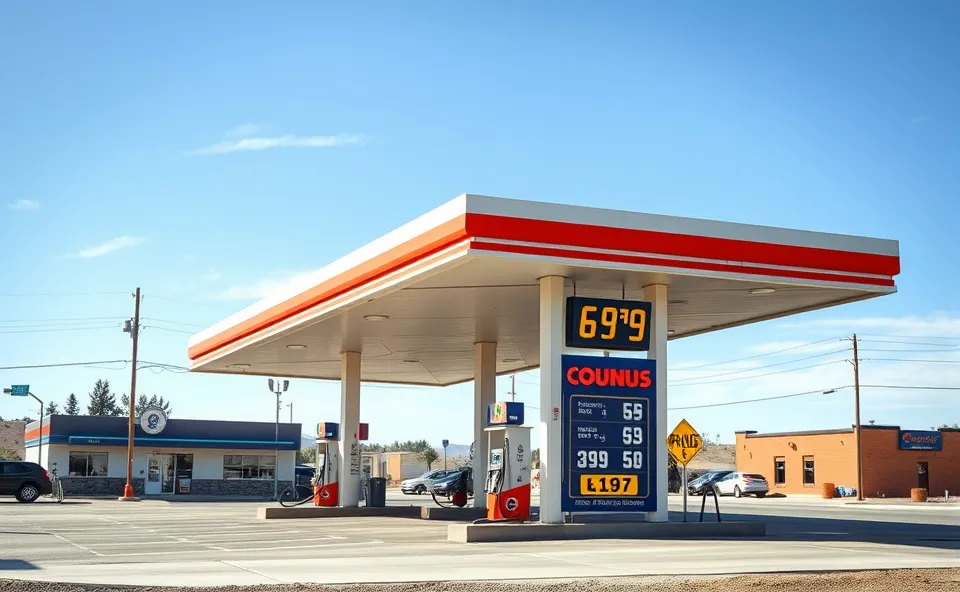
Ever notice how gas prices seem to dip a bit when you’re driving through Native American reservations? It’s not your imagination. There’s a good reason why you can often find the cheapest fuel, especially at tribally owned gas stations. It all boils down to a smart economic strategy rooted in tax exemptions. Think of it as a consumer deal that benefits both drivers and tribal communities.
The Buzz About Cheaper Fuel Savings
So, why is everyone suddenly talking about Native American reservations and gas prices? Well, as fuel costs continue to be a hot topic for drivers everywhere, people are actively looking for ways to save money on everyday expenses. When news or word gets out about places where you can consistently fill up for less, it sparks interest. People are eager to discover these opportunities for fuel savings. It’s the kind of practical, money-saving insight that resonates with many, especially with the ongoing fluctuations in the market. Finding cheaper gas is always a win, and these tribal gas stations offer a reliable way to achieve that.
A Little History Behind the Price Difference
To really get why this happens, we need to look back a bit. Native American tribes in the United States have a unique sovereign status. This means they have a degree of self-governance on their lands, which are often referred to as US reservations. Over time, tribes have established businesses, including gas stations and convenience stores, to generate revenue and provide services for their communities. A key part of their business model, particularly for these tribally owned ventures, involves navigating tax laws. Unlike businesses operating off reservation, tribally owned businesses often benefit from exemptions from certain state and federal taxes.
Here’s the core of it: state sales taxes and state excise taxes on gasoline can add a significant amount to the price you see at the pump. Because many tribally owned gas stations are exempt from these state taxes, they can afford to offer lower prices to consumers. This isn’t about undercutting competitors unfairly; it’s a direct result of their sovereign status and the tax structures that apply. It’s a long-standing practice that has allowed many tribal economies to thrive and offer competitive pricing.
What This Means for You and Tribal Economies
The impact of these tax exemptions is twofold and quite significant. For drivers, it means an opportunity for direct fuel savings. If you live near a reservation or find yourself passing through one, making a stop for gas can genuinely lighten your wallet’s load. This is especially true for individuals who drive a lot or live in areas where gas prices are consistently high. It’s a simple yet effective way to stretch your budget further.
For the tribal communities themselves, these tribally owned gas stations are more than just places to buy fuel. They are vital economic engines. The revenue generated from these businesses goes back into the community, funding essential services like education, healthcare, infrastructure improvements, and job creation. The tax exemptions allow these businesses to be more competitive, attracting customers from off reservation and thereby increasing their profitability. This, in turn, fuels economic development and self-sufficiency for the tribes. It’s a powerful example of how smart business practices, combined with unique governmental status, can lead to positive outcomes for both consumers and the communities operating these businesses.
Looking Ahead: The Road for Tribal Gas Stations
What does the future hold for this dynamic? It’s likely that tribally owned gas stations will continue to be a go-to spot for cheaper fuel. As long as the tax exemptions remain in place and tribal governments continue to prioritize these economic ventures, the pricing advantage will persist. We might also see an increase in investment in these businesses, with tribes potentially expanding their offerings beyond basic fuel and convenience items. Think enhanced services, more modern facilities, and perhaps even integrated travel plazas.
The ongoing conversation around energy costs and consumer affordability will probably keep these locations in the spotlight. As more people become aware of the fuel savings available, demand may increase, further strengthening the economic position of these tribal enterprises. It’s a sustainable model that benefits everyone involved, from the individual driver looking for a good deal to the tribal community building a stronger future.
Frequently Asked Questions About Reservation Gas Prices
Where can I find the cheapest fuel near US reservations?
You can often find the cheapest fuel at tribally owned gas stations located on Native American reservations. These stations typically offer lower prices due to tax exemptions.
Why are gas prices lower on Native American reservations?
Gas prices are typically lower on Native American reservations because tribally owned gas stations are exempt from certain state sales and excise taxes that are usually included in the price of gasoline off-reservation.
What are the benefits of buying gas at tribal gas stations?
The main benefit is fuel savings for consumers. For the tribes, these stations provide significant revenue that supports community services and economic development.
Are these tax exemptions on gas new?
No, these tax exemptions are not new. They are a long-standing aspect of the sovereign status of Native American tribes and how their businesses operate.
How can I find these gas stations offering cheaper fuel?
You can often find these stations by looking for them as you drive through reservations or by using online maps that may indicate their presence. Many are well-established convenience stores offering fuel.











