

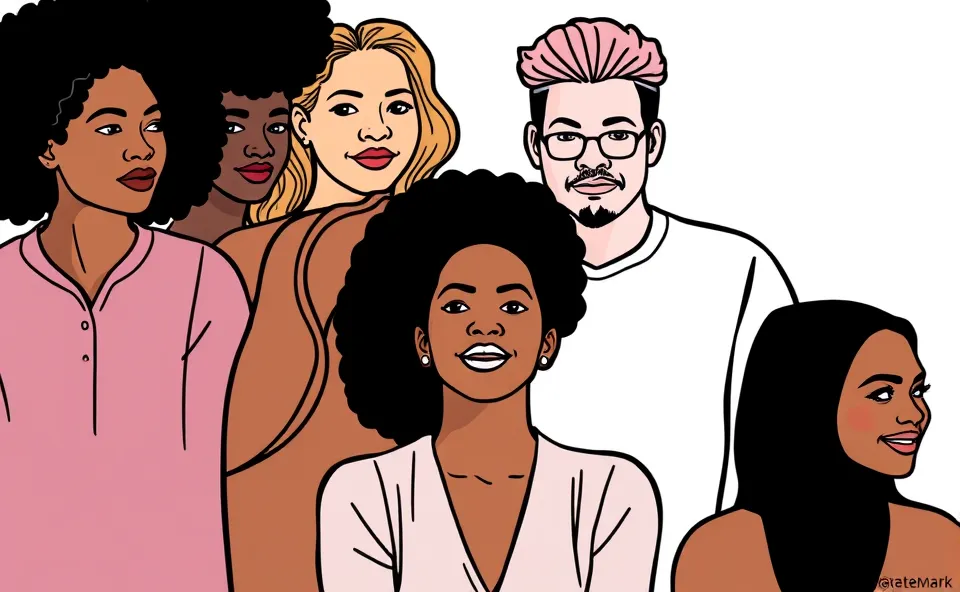
The Quiet Revolution: Influencers Are Normalizing Not Having Sex
It might sound a little surprising, but a growing number of well-known faces online are talking openly about choosing not to have sex. This isn’t about shame or judgment; it’s about sharing personal journeys and showing that abstinence, for whatever reason, is a valid life choice. Think of it as a refreshingly honest conversation popping up across social media, driven by diverse individuals who are challenging the idea that sex is always the ultimate goal or the only path to happiness. These influencers are actively working towards normalizing not having sex, proving it’s far from a fringe concept.
Why Are We Talking About This Now?
The sudden surge in conversations around sexual abstinence isn’t random. It’s a direct response to a wider cultural narrative that often pushes sex and romantic relationships as the ultimate measure of success and fulfillment. For a long time, the dominant voices discussing abstinence were often linked to negative communities, like incels, painting a picture of unwilling or resentful celibacy. Now, we’re seeing a powerful counter-narrative emerge. People are searching for different perspectives, for relatable stories that reflect a broader spectrum of human experience. This includes individuals who are choosing abstinence not out of a lack of options, but as an active, positive decision for themselves. The timing is ripe because the online world is fostering these kinds of open dialogues, and people are actively seeking authentic representation.
A Different Kind of Background Story
To truly get why this trend is significant, we need to look back a bit. Historically, discussions about sexual abstinence have been heavily influenced by religious doctrines or societal expectations around marriage. For many, it was a prescribed path, not necessarily a personal choice. Then came the internet, creating vast online communities where people could connect over shared experiences, including those who felt different or isolated. However, for a long time, the public discourse around choosing not to have sex was largely dominated by stories of loneliness and social exclusion, often within the problematic framework of incel communities. These groups, while public, projected an image of forced abstinence and profound dissatisfaction.
The shift we’re witnessing now is the emergence of chosen abstinence from a much wider array of backgrounds. Consider figures like a former adult film star who has publicly embraced celibacy. This is a fascinating perspective because it comes from someone who was deeply immersed in a sex focused industry. Their decision to abstain offers a powerful statement, suggesting that personal fulfillment can be found beyond that sphere. Similarly, an asexual ex-Mormon individual speaking out brings another vital layer. Asexuality itself is a spectrum where individuals may not experience sexual attraction, and when combined with a background where religious doctrine might emphasize procreation or specific relationship structures, their journey highlights the diversity of personal identity and choice. These aren’t people simply not having sex; they are actively embracing a life that includes sexual abstinence as a core element, and they are using their platforms to share this.
What This Means for All of Us
The impact of influencers normalizing not having sex is multifaceted and profoundly positive for many. Firstly, it dismantles the unhealthy stigma surrounding sexual abstinence. By hearing from diverse voices who are happy and fulfilled without sex, or who choose celibacy for personal growth or other life goals, people who might be on a similar path are no longer made to feel like anomalies. This offers a sense of belonging and validation, especially within online communities where these conversations are thriving.
For modern dating, this shift can also be significant. It broadens the definition of a successful relationship or a fulfilling life beyond just sexual intimacy. People can explore romantic or platonic connections based on shared values, emotional intimacy, and companionship, without the pressure of sexual compatibility being the sole driver.
From a technology perspective, these conversations are amplified and sustained by the very platforms that host them. Social media algorithms can connect individuals with similar interests and experiences, fostering supportive online communities for those practicing abstinence or exploring asexuality. Influencer marketing itself is evolving, moving beyond purely transactional endorsements to embrace more authentic, lifestyle focused content that resonates deeply with audiences. This trend shows how technology can facilitate vital societal conversations and support diverse lived experiences.
What Might Happen Next
Looking ahead, the normalization of not having sex through influencer voices is likely to continue growing. We can expect more individuals from various backgrounds to share their stories, further diversifying the narrative. This could lead to even greater acceptance and understanding of different relationship styles and personal choices.
Businesses and brands may also start to recognize the diverse needs and perspectives within their consumer base. Marketing strategies could become more inclusive, acknowledging that not all consumers prioritize or engage in sexual relationships in the same way. This trend also has the potential to encourage more research and understanding of asexuality and different forms of celibacy, moving these identities from the fringes to the center of relevant discussions. The technology that enables these conversations will undoubtedly continue to evolve, providing new ways for people to connect and share their journeys.
Frequently Asked Questions
How are influencers normalizing not having sex?
Influencers are normalizing not having sex by openly sharing their personal choices and experiences with sexual abstinence. They are using platforms like social media to discuss their journeys, motivations, and the fulfillment they find in their chosen lifestyles, thereby challenging traditional views and showing that abstinence is a valid and positive path for many.
What is the difference between celibacy and asexuality in the context of influencers normalizing not having sex?
Celibacy typically refers to the choice to abstain from sex, often for personal, spiritual, or other life reasons, and it is a conscious decision that can be changed. Asexuality, on the other hand, is a sexual orientation where a person experiences little or no sexual attraction. Influencers are showcasing both chosen celibacy and asexuality as valid ways of living, often distinct from each other but united in their non-engagement with sex as a primary focus.
Why is there a sudden interest in normalizing sexual abstinence online?
The recent interest in normalizing sexual abstinence online stems from a desire to counter the often negative or misunderstood narratives surrounding it, particularly the association with incel communities. Influencers are providing diverse, positive, and personal accounts of abstinence, offering relatable perspectives and challenging the societal pressure that often equates sexual activity with happiness and fulfillment.
How does influencer marketing play a role in normalizing not having sex?
Influencer marketing plays a significant role by leveraging the reach and relatability of online personalities. When influencers, especially those with diverse backgrounds like a celibate former adult film star or an asexual individual, discuss their choice for sexual abstinence, they humanize the experience and introduce it to a wider audience. This can shift perceptions and make abstinence seem more accessible and acceptable.
What impact does normalizing not having sex have on modern dating and relationships?
Normalizing not having sex can significantly impact modern dating and relationships by broadening the definition of intimacy and partnership. It encourages a focus on emotional connection, companionship, and shared values, rather than solely on sexual compatibility. This can alleviate pressure for individuals who are abstaining or exploring their sexuality and allow for a more diverse range of fulfilling relationships.











