

When AI Art Meets Online Scams
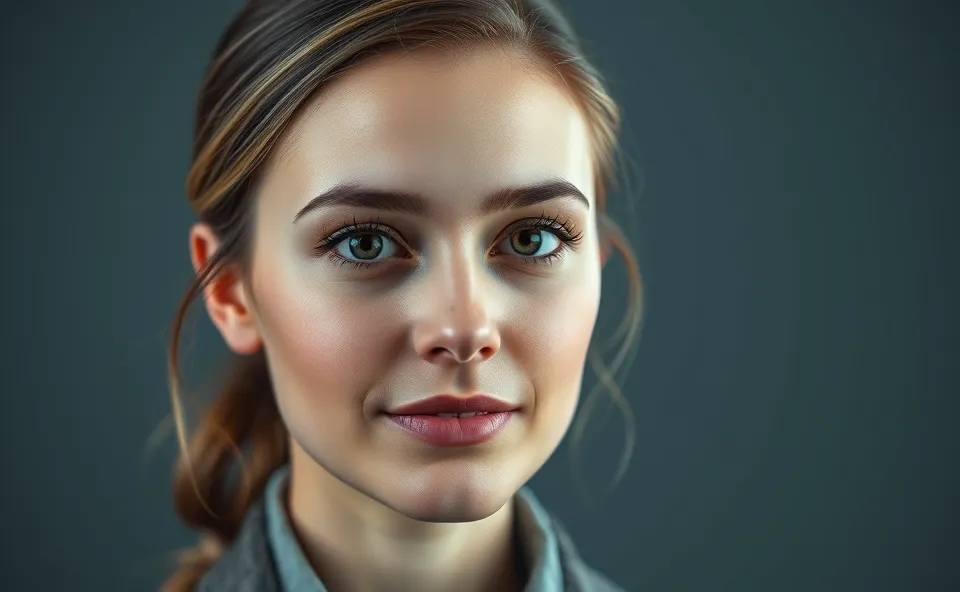
So, imagine this. You’ve got a medical student, right? Seems like they should be buried in textbooks, focused on anatomy and all that. But this particular student apparently found a different kind of education – the kind that involves AI, catchy online personas, and a whole lot of cash. We’re talking about someone using AI generated images and videos, specifically “MAGA girl” style content, to trick men online and pocket thousands of dollars. It’s a wild twist on how generative AI is showing up in unexpected places, and frankly, it’s raising some serious eyebrows.
Why Is Everyone Talking About This AI Scammer Now?
The reason this story is buzzing right now is because it’s a stark, real world example of what generative AI can be used for beyond just creating cool pictures or writing funny poems. It highlights how quickly these powerful tools can be repurposed for dishonest means. People are searching for this because it touches on a few hot topics: the rise of AI art, the ongoing battle against online scams, and the uncomfortable reality of deepfake technology. Plus, the specific angle of using “MAGA girl” imagery adds another layer, tapping into conversations around online influencers and political aesthetics being used in catfishing schemes. It’s a perfect storm of trending keywords and concerning implications.
The Seeds of Deception: A Look Back
To really get why this is such a big deal, we need to think about where we’ve been. For years, online scams have been a persistent problem. We’ve seen everything from simple email phishing attempts to more sophisticated catfishing operations where people create fake identities to build relationships and then ask for money. What’s new here is the technology. AI art generators have become incredibly sophisticated, allowing anyone to create hyper realistic images and even videos from simple text prompts. This means scammers no longer need to steal photos or rely on elaborate lies to build a fake persona. They can now generate an entire, convincing identity from scratch. Combine that with the rise of deepfake technology, which can make it seem like someone is saying or doing things they never did, and you have a recipe for incredibly effective deception. The “MAGA girl” aesthetic itself isn’t new as an online persona, but using AI to mass produce and customize these personas for scams is a significant escalation. It’s like upgrading from a rusty old lock to a high tech digital security system, but for ripping people off.
The Ripples of This AI Scam: What It Means
This incident has some pretty significant implications across the board. For individuals, it’s a glaring reminder that what you see online might not be real. The sophistication of AI generated content means that trusting your eyes alone isn’t enough anymore. This specific scam, leveraging a particular online subculture, shows how scammers can exploit niche communities and shared aesthetics to gain trust.
For businesses and platforms, it’s a wake up call. The ease with which these AI tools can be misused puts pressure on them to develop better detection methods and content moderation policies. How do you police AI generated content when it’s designed to be indistinguishable from reality? This is a huge challenge for social media sites, dating apps, and any platform where user generated content is king.
From a technology perspective, this is a double edged sword. Generative AI has incredible potential for creativity, education, and entertainment. But as this case shows, it also opens up new avenues for misinformation and malicious activity. It pushes the boundaries of what we consider ethical AI use and highlights the urgent need for safeguards and responsible development. We’re seeing the dark side of AI art becoming a tool for serious financial crime, and that’s something developers and regulators will have to grapple with. The whole crypto scam connection also points to how these new technologies and financial avenues are intertwined, creating new playgrounds for bad actors.
Looking Ahead: What Could Come Next?
So, where does this leave us? We’re likely to see a few things unfold. First, expect more advanced detection tools. Researchers and tech companies will be working overtime to build AI that can spot AI. This could involve analyzing subtle patterns in generated images and videos that humans might miss. Think of it as an AI arms race.
Second, there will be increased scrutiny on the platforms that host these kinds of interactions. Pressure will mount for them to implement stricter verification processes and to be more proactive in removing fraudulent content. This might mean more advanced AI moderation systems, but also potentially more human review, which is costly and slow.
Third, we might see a push for greater regulation around generative AI. Governments and international bodies are already discussing how to manage this powerful technology, and incidents like this will only add urgency to those conversations. This could involve clearer guidelines on AI development and deployment, or even outright bans on certain types of AI generation if they prove too difficult to control.
Finally, and perhaps most importantly, there will be a continued emphasis on digital literacy. Educating the public about the capabilities of AI, the risks of online scams, and the importance of critical thinking when encountering content online is more vital than ever. This isn’t just about spotting a fake picture; it’s about understanding the evolving landscape of online deception.
Frequently Asked Questions About AI and Scams
What exactly is an AI scammer using generative AI?
An AI scammer is someone who uses artificial intelligence, especially tools like generative AI, to create fake identities, content, or even entire personas to trick people into sending them money or personal information. In this case, the AI scammer used AI to generate images and videos of a specific type of online persona to deceive their targets.
How is AI art being used in online scams like this one?
AI art generators allow scammers to create convincing fake profile pictures, “proof” of life through generated videos, and other visual content without needing to use real people’s photos or be a talented artist themselves. This makes it easier to build a believable fake identity for catfishing or other types of online scams.
What is the connection between deepfake technology and these AI scams?
Deepfake technology, which uses AI to create realistic but fabricated videos and audio, can be used by scammers to make their fake personas seem even more legitimate. Imagine a scammer sending you a video of their AI generated persona seemingly talking directly to you, making the deception much more powerful.
Are these types of AI scams common, or is this a unique incident?
While this specific case involving “MAGA girl” imagery and a medical student is notable, the use of AI to facilitate online scams is an unfortunately growing trend. As AI tools become more accessible, scammers are increasingly adopting them to enhance their deceptive tactics, making these types of AI scams more common than ever.
How can people protect themselves from AI related online scams?
To protect yourself from AI related online scams, it’s crucial to be skeptical of what you see online, especially when someone is asking for money or personal details. Look for inconsistencies in images or videos, do reverse image searches, and be wary of overly perfect or rapidly developing online relationships. Staying informed about AI capabilities and common scam tactics is your best defense against these evolving threats.











