

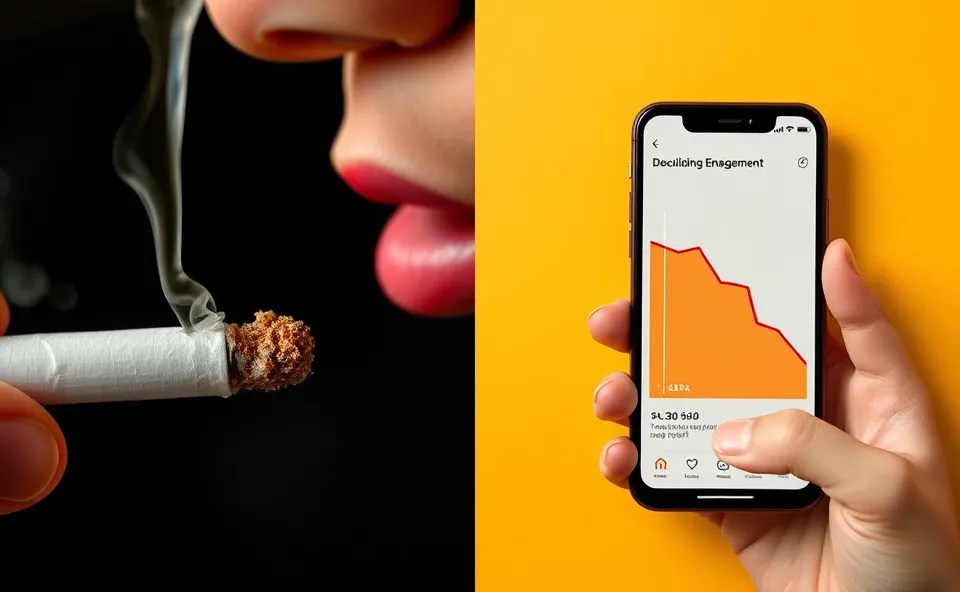
When We Ditched the Cigarettes for Health
Remember how smoking used to be everywhere? Like, super common, even in fancy restaurants and airplanes. Back in the day, it was just a normal part of life for a lot of people, especially those with more money and status. But then, things started to change. We learned more about how bad it was for us. Slowly, but surely, we saw smoking rates, particularly among the affluent, begin a pretty dramatic nosedive. It wasn’t an overnight switch, but a significant behavioral change took hold. People started valuing their health more, and the cool factor of smoking just evaporated.
Why the Sudden Buzz About Digital Dependency?
Lately, there’s been a growing whisper, and sometimes a loud shout, about our own modern-day habit: social media addiction. It feels like we’re constantly glued to our phones, scrolling through endless feeds. This digital dependency is so pervasive that people are starting to ask questions. They’re searching for answers, looking for parallels to other societal shifts. The conversation is picking up because we’re starting to see the downsides of too much screen time, just like our grandparents saw the downsides of too much smoking. It’s a natural progression of awareness about how our habits affect our well-being.
A Look Back at What We’ve Left Behind
To understand this shift in social media addiction conversations, it helps to look back. For decades, smoking was a symbol of sophistication and relaxation. Advertising and societal norms made it seem desirable. But as research piled up and public health campaigns gained traction, the narrative flipped. The affluent, often trendsetters, were among the first to embrace the idea of a smoke-free lifestyle. They saw it as a marker of progress and good health. This shift wasn’t just about personal choice; it was a broader societal evolution influenced by education and changing values. It created a ripple effect, making smoking less acceptable for everyone.
What This Means for Our Connected Lives
This potential decline in social media addiction could have some pretty big impacts. For individuals, it means reclaiming time and mental space. Imagine less anxiety, better focus, and more real-world connections. For businesses that rely heavily on constant engagement, it might mean adapting their strategies. Instead of just grabbing attention, they might need to focus on providing genuine value and fostering healthier online experiences. For technology developers, it could lead to designing platforms that are less addictive and more conducive to mindful use. Think about tools that help manage screen time or encourage deeper, more meaningful interactions. This is all part of a larger public health conversation about our relationship with the digital world.
The Road Ahead: A More Balanced Digital Future?
So, what’s next? If the trend of decreasing social media addiction continues, we could see a future where digital dependency isn’t the default. We might witness a more conscious and intentional approach to using our devices. This could mean:
- Increased development of tools and features that promote digital well-being.
- Greater emphasis on online etiquette and mindful consumption of digital content.
- Businesses shifting focus from “time spent” to “quality of engagement.”
- A rise in digital detox movements and a celebration of offline activities.
This isn’t about abandoning technology, but about finding a healthier balance. It’s about recognizing that just like with smoking, we can evolve our habits when we understand the consequences and prioritize our well-being. The parallels between the smoking decline and the potential shift away from social media addiction are fascinating because they highlight our capacity for collective behavioral change when we collectively decide something isn’t serving us anymore.
Your Questions Answered About Digital Habits
What’s the connection between social media addiction and smoking decline among the affluent?
The connection lies in observed behavioral change. Historically, the affluent were early adopters of both smoking and later, the rejection of it for health reasons. This suggests that as awareness about the negative impacts of social media addiction grows, this demographic might also be among the first to consciously reduce their digital dependency, setting a trend for others.
Is social media addiction really as bad as smoking?
Both can have significant negative impacts on health and well-being, though in different ways. Smoking has well-documented physical health consequences. Social media addiction, or digital dependency, can lead to mental health issues like anxiety, depression, poor sleep, and can affect relationships and productivity. The parallels are in the addictive nature and the societal shift in perception as harmful effects become clearer.
Why are people searching more about digital dependency now?
There’s a growing awareness of the downsides of excessive screen time and constant connectivity. People are experiencing issues like burnout, comparison culture, and difficulty focusing. This increased search activity reflects a collective realization that our modern habits, including extensive social media use, might be detrimental, prompting a desire to understand and manage this digital dependency.
How does the concept of screen time relate to social media addiction?
Screen time is the measurable amount of time spent using digital devices. Excessive screen time, especially on social media platforms designed for continuous engagement, can be a strong indicator and contributor to social media addiction. The more time spent, the higher the risk of developing a problematic digital dependency.
What can individuals do to combat social media addiction?
Combating social media addiction involves conscious effort. This can include setting time limits for app usage, turning off notifications, unfollowing accounts that don’t add value, engaging in offline activities, practicing digital detoxes, and seeking out healthier alternatives for entertainment and social connection to reduce overall digital dependency.











