

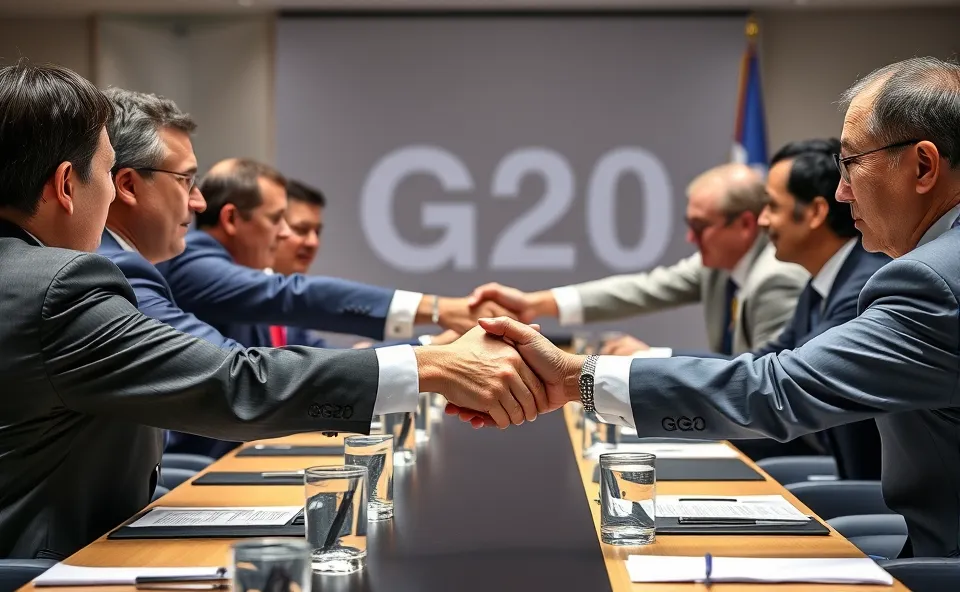
Business Roundtable Takes the Helm at the G20 Summit
So, something pretty interesting is happening on the global economic stage. The Trump administration has announced that the Business Roundtable is going to lead the charge when it comes to how big businesses interact with the G20 summit. Think of the G20 as a major international forum where the world’s biggest economies get together to talk about important stuff like international trade, economic policy, and how to keep the global economy chugging along. Now, instead of a more traditional government approach, the Business Roundtable, which is a big deal group of CEOs from major US companies, will be the main point of contact for corporate engagement at these high-level discussions. It’s essentially giving business leaders a more direct and prominent voice in these crucial global conversations.
Why the Buzz Around This G20 Shift?
You’re hearing about this now because it’s a significant shift in how the US is approaching its role in global economic dialogues. For a while now, there’s been a lot of discussion about how to best involve industry voices in policy making, especially on an international level. The Business Roundtable represents some of the most influential companies in the world. When they take the lead on corporate engagement at the G20 summit, it signals a strong emphasis on making sure that the perspective of major business leaders is front and center. This isn’t just a minor tweak; it’s a more pronounced strategy to integrate private sector insights into the discussions shaping the global economy.
A Quick Look Back: The G20 and Business Voices
To really get why this Business Roundtable move is noteworthy, let’s rewind a bit. The G20 has been around since 1999, formed to bring together major industrialized and developing economies to discuss and coordinate on global economic and financial issues. Over the years, it’s become a really important platform for setting agendas that affect international trade and economic policy worldwide. Historically, the dialogue between governments and the private sector at the G20 has happened, but it’s often been more of a supporting role for business input. Different administrations have approached this differently, but this current announcement marks a deliberate step to elevate the Business Roundtable’s role. It’s not entirely new for business leaders to be involved, but the level of direct leadership and the focus on corporate engagement as a primary function is a more recent development.
What This Means for the Business World and Beyond
This change has some pretty interesting implications. For businesses, especially those represented by the Business Roundtable, it means a more direct channel to influence discussions on critical global economic issues. Imagine having a seat at a table where decisions about international trade agreements and global economic policy are being made. This could lead to policies that are more aligned with the practical realities and needs of large corporations. For the global economy, it could mean a faster pace of decision-making on certain issues, as insights from those directly involved in industry can be brought to bear more quickly. Technology, for instance, is a huge driver of global growth, and having key tech leaders at the forefront of G20 discussions could accelerate innovation-focused policies. It also means that the focus on corporate engagement will likely be sharper, with the Business Roundtable championing specific industry voices and priorities. This could reshape how economic policy is crafted and implemented on a global scale, making sure that the perspectives of top business leaders are deeply embedded in the conversation.
Peering Ahead: What’s Next for Business and the G20
Looking forward, this elevated role for the Business Roundtable at the G20 summit suggests a continued trend of increased business influence in international policy discussions. We might see a more structured approach to how business leaders contribute to the G20 agenda, potentially leading to more collaborative initiatives between governments and the private sector on global challenges. It’s likely that the Business Roundtable will focus on key areas that are crucial for economic growth and stability, such as digital trade, supply chain resilience, and sustainable development. The emphasis on corporate engagement could also spur other international forums to reconsider their own approaches to involving business leaders. Ultimately, this shift points towards a future where the lines between private sector strategy and public international economic policy continue to blur, with the aim of fostering a more dynamic and responsive global economy.
Frequently Asked Questions About the Business Roundtable and the G20
What is the Business Roundtable’s new role at the G20 summit?
The Trump administration announced that the Business Roundtable will lead corporate engagement at the G20 summit. This means that the group of CEOs from leading US companies will be the primary point of contact for bringing business perspectives into the G20’s discussions on global economic policy and international trade.
Why is the Business Roundtable’s involvement at the G20 significant?
It’s significant because it represents a more direct and prominent role for business leaders in shaping global economic policy discussions. The Business Roundtable brings the collective voice of major industry players to the table, influencing how economic policy is approached at the highest international levels.
How does this G20 corporate engagement differ from past approaches?
While business leaders have always been consulted, this current setup elevates the Business Roundtable to a leading role in corporate engagement at the G20. It suggests a more formalized and prioritized integration of business insights into the core discussions of the summit, rather than a more peripheral advisory role.
What kind of impact might this have on international trade and economic policy?
This increased influence could lead to economic policies and international trade agreements that are more closely aligned with the practical concerns and strategic goals of major corporations. It aims to ensure that the perspectives of business leaders are deeply considered when crafting global economic strategies.
What are some potential future trends related to the Business Roundtable and the G20 summit?
We might see a more structured integration of business input into future G20 agendas. This could lead to increased collaboration on issues like technological advancement, sustainable growth, and supply chain stability, as industry voices are more directly involved in setting the direction for the global economy.











