

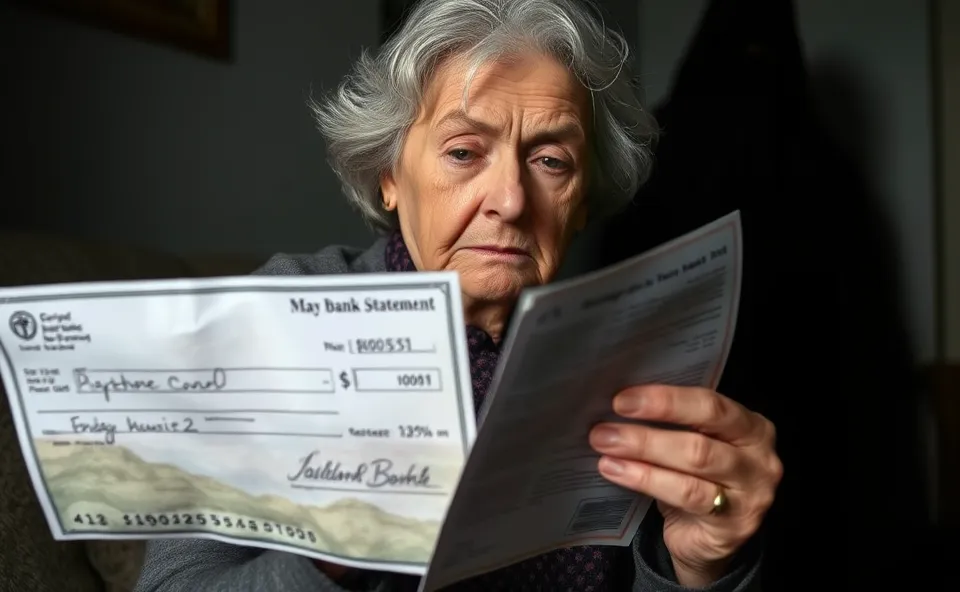
The Trick Behind the Surprise Check
Imagine your mother opens her mailbox and finds a check for a few hundred or maybe a few thousand dollars. The letter looks professional. It tells her she is part of a class action settlement for a product she used years ago. It feels like a small win, a little bit of unexpected money for no reason. She takes the check to the bank or deposits it via a mobile app, and a day later, the money is in her account. Everything seems great until it is not.
A week later, the bank notifies her that the check was fake. It bounced. But here is the scary part: the bank already let her spend some of that money, or perhaps a scammer convinced her to send a portion of it back to cover a processing fee. Now, the bank takes that money back out of her account. If she already spent it, her balance drops into the negatives. Suddenly, she is not winning a lawsuit. Instead, she is facing overdraft fees and missing money.
This is a classic class action lawsuit scam. It works because it plays on two things: the excitement of free money and the trust we have in official looking documents. The scammers do not just want the money in the check. They want the money already sitting in your bank account. By the time the bank realizes the check is a piece of junk, the scammer has already walked away with the cash the victim sent them.
Why This Trap Is Everywhere Right Now
You might wonder why people are searching for this specific scam more than usual. The truth is that legitimate class action settlements are more common than ever. We see news about big tech companies or pharmaceutical giants paying out millions to consumers. Because these real events happen so often, people have been trained to expect these checks in the mail.
Scammers love to hide in plain sight. They take a real news story about a settlement and build a lie around it. When a person receives a check that looks like a real class action settlement, their guard is down. They think, this makes sense, I probably did use that product ten years ago.
Additionally, the way we handle money has changed. Mobile deposits make it very fast to put a check into an account. However, the speed of the deposit does not mean the check has actually cleared. Banks often give a credit of the funds as a courtesy to the customer. Scammers rely on this gap in time to trick people into moving money before the bank discovers the fraud.
How the Old School Check Game Still Works
To understand this bounced check scam, you have to understand how banks process checks. When you deposit a check, the bank does not instantly know if the money is actually there. They provide the funds based on the assumption that the check is valid. This is known as the float.
In a typical lawsuit check scam, the process looks like this:
- The Bait: The victim receives a check and a professional looking letter.
- The Hook: The victim deposits the check. The bank makes the funds available quickly.
- The Sting: The scammer contacts the victim, claiming there was an error or a fee. They ask the victim to send a portion of the money back via a wire transfer, a gift card, or a payment app.
- The Crash: The bank eventually discovers the check is fake. They reverse the deposit, taking the full amount back from the account.
The money the victim sent to the scammer is gone. That money came from the victim’s own actual balance, not from the fake check. This is a form of check fraud that relies on human psychology more than technical hacking. It is a simple trick that has existed for decades, but it still works because it targets people who are helpful or hopeful.
The Real Cost of These Deceptive Practices
When we talk about financial fraud, we often focus on the dollar amount. Yes, having money stolen is a disaster. But the impact of these deceptive practices goes deeper than a bank balance. For many people, especially seniors, this kind of experience is emotionally crushing. It creates a feeling of vulnerability and a loss of trust in the mail and the banking system.
From a market perspective, these scams put a huge strain on consumer protection systems. Banks have to spend millions of dollars developing AI and software to catch fake checks before they are deposited. This cost eventually trickles down to the consumers in the form of fees or stricter rules.
Moreover, these scams damage the reputation of legitimate legal settlements. When people are burned by a class action lawsuit scam, they stop believing in real settlements. This means people who are actually owed money for corporate wrongdoing might ignore their real checks, thinking they are just another trick. It breaks the bridge of trust between the legal system and the public.
Where Financial Fraud Is Heading
Looking ahead, we can expect these scams to become even more convincing. We are entering an era where artificial intelligence can generate perfectly written letters and perfectly forged documents. The days of spotting a scam by looking for a typo or a weirdly formatted page are ending. Scammers will be able to mimic the exact branding and tone of major law firms.
We will likely see a shift toward more phishing attempts. Instead of a physical check, you might get an email or a text message saying your settlement is ready. They will lead you to a fake website that looks like a government portal, asking for your bank login or social security number to claim your funds.
The fight against this will depend on better technology and better education. Banks are moving toward faster verification systems that can spot a fake check in seconds rather than days. However, the most effective defense is a skeptical mind. The rule of thumb will remain simple: if you did not apply for it, if the process feels rushed, or if someone asks you to send money back to get money, it is almost certainly a fraud.
Common Questions About These Scams
How do I know if a class action settlement check is a scam?
If the check asks you to send any money back for taxes, fees, or processing, it is a class action lawsuit scam. Real settlements never ask you to pay money to receive your award. Also, check if you remember signing up for the settlement or if the law firm mentioned is a real, registered entity.
Why did my bank give me the money if the check was fake?
Banks often provide a temporary credit to your account to be helpful. This is not the same as the check clearing. A check can take several days or even weeks to be fully verified. If the check is found to be fraudulent, the bank will take that money back regardless of whether you have already spent it.
What should I do if I realize I am a victim of a bounced check scam?
Contact your bank immediately. Tell them you believe you deposited a fraudulent check. This may help you manage the fallout and avoid some penalties. You should also report the incident to consumer protection agencies and the police to create a paper trail of the fraud.
Can I be held responsible for a check fraud scam?
In some cases, banks may hold the account holder responsible for the funds if the check bounces. If the account goes negative, the bank will expect you to pay that money back. In extreme cases, if the bank thinks you were in on the scam, they might close your account.
Why are scammers targeting elderly people with this fraud?
Scammers often target seniors because they may be more trusting of official mail and might not be as familiar with how modern digital banking and the float process work. This makes them a primary target for financial fraud and deceptive practices.











