

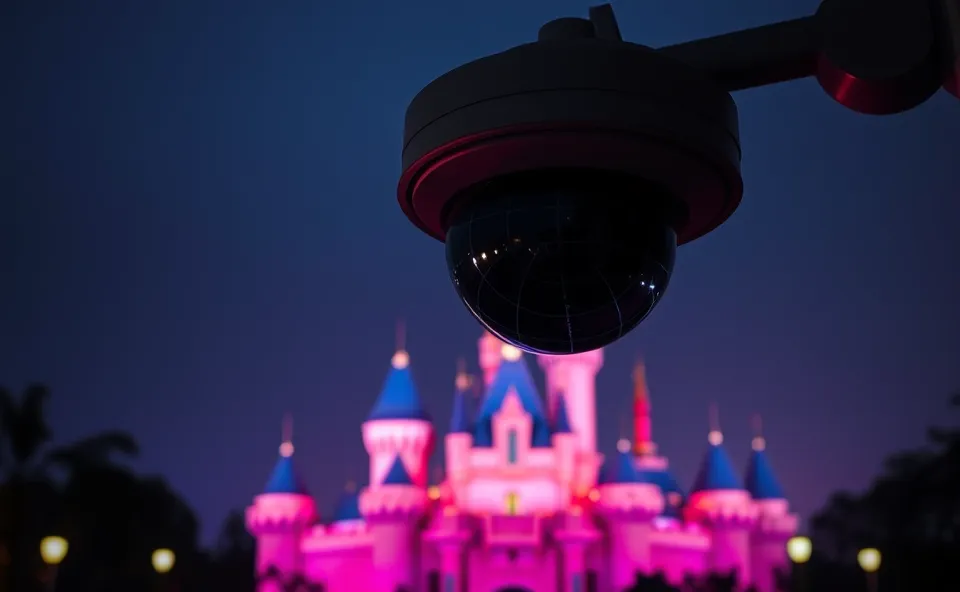
A New Kind of Magic at the Gates
Imagine walking up to the entrance of Disneyland and not having to dig through your bag for a ticket or fumble with a smartphone app. You simply look at a camera, and the gates swing open. It feels like something out of a sci-fi movie, but it is becoming a reality. Disneyland is leaning further into face recognition to make the guest experience seamless. The idea is simple: your face becomes your ticket, your ID, and your key to the park.
At first glance, this seems like a win for everyone. Guests get to spend less time in lines and more time on rides. The park gets a more efficient way to manage crowds. But beneath the surface, this shift to biometrics changes the relationship between a visitor and the theme park. Instead of a one-time transaction where you buy a ticket and enter, the park is now using a permanent part of your physical identity to track your movement and verify who you are.
This is not just about skipping the ticket booth. This technology allows for deeper visitor tracking. The system can potentially know where you are in the park, how long you spend at a specific attraction, and how you interact with the environment. While the company frames this as improving the magic, it effectively turns the Happiest Place on Earth into one of the most sophisticated surveillance hubs in the world.
Why Everyone Is Talking About This Now
You might wonder why a theme park update is causing such a stir. The reason is that we are hitting a tipping point with privacy concerns. For years, we accepted cookies on our browsers and GPS tracking on our phones. Those felt digital and abstract. But your face is different. You cannot change your face like you change a password. Once your biometric data is stored in a database, it is there forever.
People are searching for answers because the line between convenience and surveillance is blurring. We are seeing a trend where “frictionless” experiences are becoming the standard. Whether it is paying for groceries with a palm scan or entering a park with a glance, we are trading our biological data for a few saved minutes. This has sparked a massive debate about data privacy and who actually owns the digital map of your face.
Moreover, the timing is critical. We have seen a spike in high profile data breaches that prove no database is truly unhackable. When a password leaks, you reset it. When a biometric database leaks, your biological identity is compromised. That realization is making people rethink the “magic” of a ticketless entry system.
The Secret History of AI Surveillance
To understand how we got here, we have to look back. The technology used for face recognition at Disneyland did not appear out of thin air. It is the commercial version of tools that have been developed for national security for decades. For example, the NSA has spent years testing AI to identify patterns and recognize individuals in massive datasets. Their goal was to find needles in haystacks for intelligence purposes.
The transition from government intelligence to theme park security is a shorter leap than most people think. The core logic is the same: use AI to analyze a visual image, turn it into a mathematical code, and match that code against a known database. What the NSA used for global surveillance, corporations are now using for customer experience.
This evolution is part of a larger shift in how surveillance operates. It used to be about catching people doing something wrong after the fact. Now, it is about proactive tracking. By integrating these systems into a family vacation, the technology becomes normalized. We stop questioning the camera because it is making our day easier, which is exactly how widespread biometric adoption happens.
The Hidden Risks of a Biometric World
The real danger here is not the camera itself, but what happens to the data. In the world of cybersecurity, there is a growing threat from sophisticated groups like Scattered Spider. This hacking collective is famous for using social engineering and identity theft to break into massive corporations. They do not just steal files; they steal the trust and identity of the people within those systems.
If a group like Scattered Spider were to gain access to a biometric database, the implications would be devastating. We are talking about a goldmine of permanent identifiers. Unlike a credit card number, you cannot cancel your face. If your biometric profile is stolen, it can be used to spoof other systems, potentially giving hackers access to other secured areas of your life.
There is also the conceptual shift seen in discussions around the Anthropic Mythos, where the focus moves toward how AI interprets human behavior and identity. When theme park security combines face recognition with behavioral AI, they aren’t just seeing a face. They are analyzing emotions, gait, and habits. This creates a digital twin of the visitor. This level of insight allows businesses to manipulate the guest experience in real time, nudging you toward certain stores or restaurants based on your mood or movement patterns.
The impact stretches across several areas:
- For Users: A trade off where physical privacy is sacrificed for a smoother entry process.
- For Technology: A rapid acceleration in the deployment of edge computing and real time AI analysis.
- For Markets: A new standard where biometric data becomes a valuable currency for personalized marketing.
What Lies Ahead for Our Identity
Looking forward, it is likely that this technology will expand far beyond the gates of a theme park. We are moving toward a world of total integration. In the near future, your face could be your passport, your credit card, and your hotel key all in one. The “frictionless” life is the ultimate goal for big tech and entertainment giants.
However, this path will likely lead to a clash with regulation. As more people realize the risks associated with biometrics, we can expect tighter laws around how this data is stored and deleted. We may see a future where visitors can choose between a “fast track” biometric entry and a “private track” traditional entry, though the private option might become slower or more expensive to encourage the use of AI.
The real test will be how companies handle the security of this data. If a major biometric leak occurs, it could trigger a massive backlash against face recognition. Until then, the convenience will likely win out, and we will continue to trade our privacy for the sake of a shorter line at the castle.
Common Questions About Park Technology
Is face recognition at Disneyland mandatory for all guests?
Generally, these systems are offered as a convenience. Most parks provide alternative ways to enter, such as digital tickets or physical passes, but the push toward biometrics makes the traditional options feel outdated.
How is my biometric data protected from hackers?
Companies usually claim that they do not store an actual photo of your face, but rather a mathematical representation of it. However, as seen with groups like Scattered Spider, determined hackers often find ways to bypass these safeguards.
Does visitor tracking affect my privacy once I leave the park?
While the tracking primarily happens inside the park, the data collected can be linked to your account. This means the company knows your habits, which can then be used for targeted advertising and marketing long after your vacation ends.
Why is AI being used for theme park security instead of regular guards?
AI can monitor thousands of people simultaneously in ways a human guard cannot. It can spot banned individuals or identify missing children much faster by scanning crowds in real time using face recognition.
What should I do if I am concerned about data privacy?
The best approach is to read the privacy policy carefully and opt out of biometric features whenever possible. Using traditional entry methods is the only way to ensure your biological data is not added to a surveillance database.











