

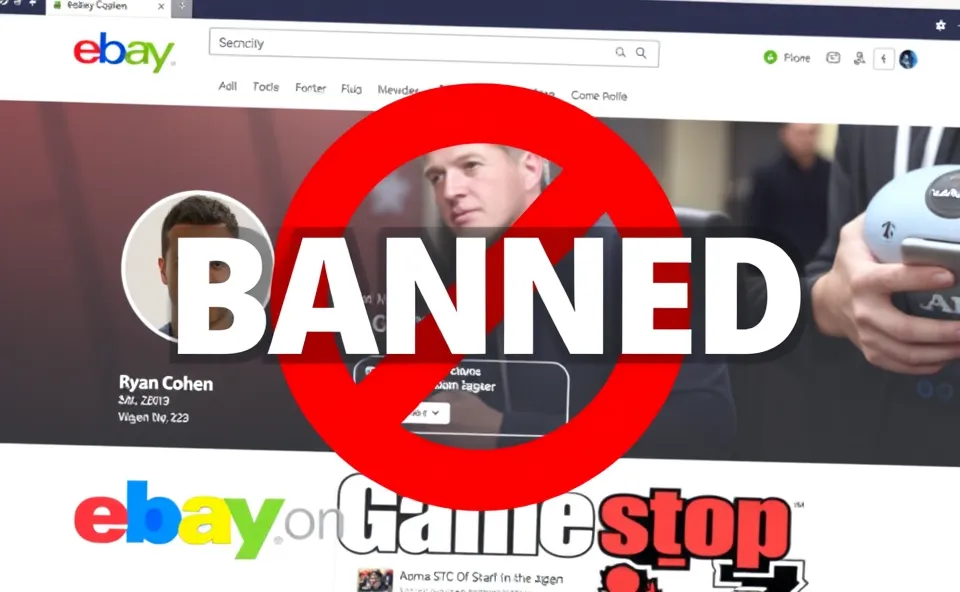
The eBay Ban Heard Round the Tech World
So, picture this: eBay, the online marketplace giant, has permanently banned Ryan Cohen. You know, the guy who’s also the CEO of GameStop? This isn’t just a minor account suspension; it’s a big deal, and it all stems from some pretty wild events involving Cohen and eBay itself. It’s a story that’s got everyone talking about what happens when big personalities clash with e-commerce platform rules.
Why the Buzz Now?
The reason this is suddenly all over the tech and business news is because the situation has reached a definitive, permanent conclusion. eBay’s decision to ban Ryan Cohen, especially after his significant interest in the company, has sparked a lot of debate. People are searching for this because it touches on major themes like corporate governance, the power of influential figures in the market, and how established companies like eBay handle disruptive forces. The mention of GameStop merchandise and the “community at risk” by eBay adds another layer of intrigue, making it a story that resonates with both business enthusiasts and those interested in the recent GameStop saga.
A Look Back at the Drama
To really get why eBay banned Ryan Cohen, we need to rewind a bit. Ryan Cohen is famously known for his role in the GameStop stock phenomenon a couple of years back. He’s seen as a turnaround artist, and his leadership at GameStop has been closely watched. More recently, Cohen made headlines for proposing an eBay acquisition offer. We’re talking about a massive $55.5 billion bid, a truly staggering amount. This wasn’t just a casual inquiry; it was a serious move that put eBay’s leadership on notice. The idea was that Cohen believed he could unlock more value from eBay, much like he’s been credited with doing at GameStop.
However, eBay’s board ultimately rejected this substantial eBay takeover proposal. They felt the offer did not represent the best path forward for the company and its shareholders. This rejection is where the situation took a turn. Instead of just walking away, the focus shifted to Cohen’s actions and eBay’s response. eBay cited concerns about the “community at risk” and issues related to merchandise sales from Cohen’s own ventures. It seems there were perceived violations of eBay’s corporate rules and policies that went beyond a simple rejected bid. The specifics of these violations haven’t been laid out in exhaustive detail publicly, but the outcome is clear: a permanent ban for the GameStop CEO.
What This Means for Everyone
This eBay ban has ripples. For Ryan Cohen, it means he can no longer participate as a seller or buyer on one of the world’s largest e-commerce platforms. For eBay, it’s a strong statement about enforcing their rules, even when dealing with a high-profile individual who made a significant eBay acquisition offer. It sends a message that corporate rules are to be respected. It also raises questions about how such platforms handle potential suitors or influential figures whose actions might be seen as disruptive or against the spirit of the community.
Think about the implications for the broader market. When a figure like the GameStop CEO is involved in such a prominent dispute, it draws attention to the dynamics between activist investors, company boards, and online marketplaces. The mention of GameStop merchandise adds an interesting twist, suggesting that perhaps Cohen’s own business activities on or related to eBay played a part in the decision. This CEO controversy highlights the tightrope companies walk between embracing innovation and maintaining order within their digital ecosystems. For users of eBay, it’s a reminder that the platform has its own set of rules that apply to everyone, regardless of their status.
What Comes Next?
Looking ahead, the permanent eBay ban on Ryan Cohen marks the end of this particular chapter. It’s unlikely there will be a reversal of this decision. For eBay, the focus will now be on continuing to operate as usual, having made a firm decision on this matter. They’ll be keen to move past this controversy and concentrate on their business strategy. As for Ryan Cohen, he’ll likely continue his work at GameStop, focusing on their turnaround efforts. While the $55.5 billion bid is off the table, the events have undoubtedly put a spotlight on his business acumen and his willingness to make bold moves. It’s possible this incident will influence how other e-commerce platforms assess high-profile individuals and their interactions, reinforcing the importance of adhering to established corporate rules and maintaining a secure and trustworthy environment for their entire community.
Frequently Asked Questions About the eBay Ban
What exactly led to the eBay ban of Ryan Cohen?
eBay stated that the decision to permanently ban Ryan Cohen, the GameStop CEO, was based on concerns that his activities put the eBay community at risk. This likely relates to alleged violations of eBay’s corporate rules and policies, possibly connected to merchandise sales and the fallout from his $55.5 billion eBay acquisition offer.
Did Ryan Cohen actually try to buy eBay?
Yes, Ryan Cohen, through his investment firm, made a substantial $55.5 billion bid to acquire eBay. However, eBay’s board of directors ultimately rejected this eBay takeover proposal.
Is this eBay ban related to GameStop merchandise?
While eBay hasn’t detailed every specific reason, the mention of merchandise sales alongside concerns about the “community at risk” suggests that issues related to GameStop merchandise or other items sold by Cohen or his associated entities might have played a role in the decision to issue the eBay ban.
What does an eBay ban mean for Ryan Cohen?
A permanent eBay ban means Ryan Cohen can no longer use the eBay platform as a buyer or seller. This account suspension is a significant action by eBay, especially given his prominent status as the GameStop CEO and his prior interest in an eBay acquisition offer.
How does the eBay takeover offer controversy affect the market?
The CEO controversy surrounding Ryan Cohen’s eBay takeover offer and subsequent eBay ban highlights the intersection of corporate strategy, investor activism, and e-commerce platform governance. It underscores the importance of adhering to corporate rules and maintaining a healthy online marketplace community, especially when significant financial proposals are involved.











