

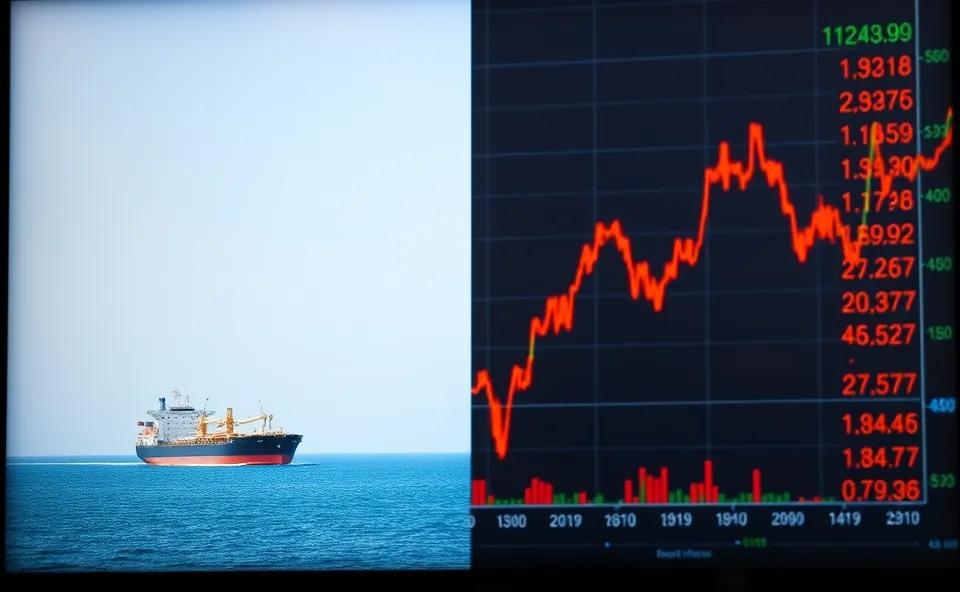
A World on Edge: Why Oil Prices Are Jumping on Iran and the Strait of Hormuz
You know how sometimes a small ripple can turn into a big wave? Well, that’s kind of what’s happening with global oil prices right now. Things are getting a little shaky, and a lot of it boils down to what’s going on between Washington and Tehran, particularly concerning Iran’s peace proposal and the very busy Strait of Hormuz.
Unpacking the Latest Tensions: What’s Behind the Oil Price Jitters?
So, what’s the big deal? Essentially, Iran offered some terms for peace, a kind of proposal that could have potentially eased tensions. However, it appears that the United States, under President Trump, hasn’t embraced these terms. This rejection, coupled with the ongoing naval standoffs and heightened activity in the Strait of Hormuz, is creating a significant amount of uncertainty in the crude oil market. When there’s uncertainty about the supply of something as crucial as oil, prices tend to react. It’s a classic case of supply and demand, but with a heavy dose of geopolitical risk thrown into the mix. Think of it as a constant background hum of anxiety for anyone involved in global trade and energy prices.
Why This Conversation is Heating Up Now
You might be wondering why everyone is talking about oil prices and the Iran peace proposal right this second. It’s because these developments are unfolding in real time, and their effects are being felt almost immediately. The news of the rejection and the continued friction in the Strait of Hormuz has sent shockwaves through financial markets. Traders, businesses, and even everyday consumers start to pay attention when the price of gasoline at the pump begins to creep up. This isn’t just abstract news; it has a direct economic impact. People are searching for answers because their wallets are starting to feel the pinch, and they want to understand the forces at play driving these changes in energy prices.
A Look Back: The Long Shadow of Washington-Tehran Tensions
To truly get why the current situation is so sensitive, we need a quick history lesson. The relationship between Washington and Tehran has been complex and often strained for decades. There have been periods of relative calm and intense conflict, sanctions, and diplomatic efforts. The Strait of Hormuz, a narrow waterway connecting the Persian Gulf to the open sea, is a vital chokepoint for oil tankers. A significant portion of the world’s oil supply passes through here. So, any hint of trouble in this region, or any breakdown in diplomatic efforts that could lead to conflict, immediately raises alarms about the petroleum supply chain. This background of persistent tension means that even minor flare-ups can have outsized effects on global oil prices.
The Ripple Effect: What This Means for All of Us
So, what’s the big impact of all this? It’s multifaceted, touching almost every corner of our global economy. For consumers, the most immediate effect is usually seen at the gas pump. Higher crude oil prices often translate to more expensive gasoline and diesel. This can then ripple out, increasing the cost of transportation for goods, which in turn can raise prices for everything from groceries to electronics. For businesses, especially those heavily reliant on shipping and logistics, rising energy prices mean higher operating costs. This can squeeze profit margins and potentially lead to price increases for their products and services.
For the broader global economy, this volatility adds another layer of uncertainty. It can deter investment, slow down economic growth, and make long-term planning more difficult. The stability of the Strait of Hormuz is, in many ways, a barometer for global economic stability. Any threat to this stability, whether through direct conflict or heightened geopolitical risk, has serious consequences for global trade and economic impact worldwide. Technology, while not directly causing these price hikes, is also indirectly affected. We might see increased interest in and investment in energy-efficient technologies or alternative energy sources as a way to hedge against such price shocks in the future.
Looking Ahead: What’s Next for Oil Prices and the Region?
Predicting the future is always tricky, especially when dealing with international relations and volatile markets. However, we can make some educated observations. If Washington-Tehran tensions continue to simmer, or if there are further incidents in the Strait of Hormuz, we can expect oil prices to remain elevated or potentially even climb higher. The market is highly sensitive to any perceived threat to the petroleum supply chain.
On the other hand, a genuine de-escalation of tensions, perhaps through renewed diplomatic efforts or a surprising shift in stance from either side, could lead to a stabilization or even a drop in oil prices. The success of any future Iran peace proposal would be a major factor. For now, the market is likely to remain on edge, with crude oil prices closely tracking the news and developments out of the region. Businesses and policymakers will continue to monitor the situation closely, looking for signs of either increasing risk or calming reassurance. The interplay between geopolitical risk and the delicate balance of energy prices will remain a dominant theme.
Frequently Asked Questions
- How does the Iran peace proposal affect current oil prices?
- What is the significance of the Strait of Hormuz for global oil prices?
- Can Washington-Tehran tensions lead to a significant rise in crude oil market prices?
- What is the economic impact of volatility in energy prices caused by geopolitical risk?
- How does the petroleum supply chain react to disruptions involving Iran and the Strait of Hormuz?











