

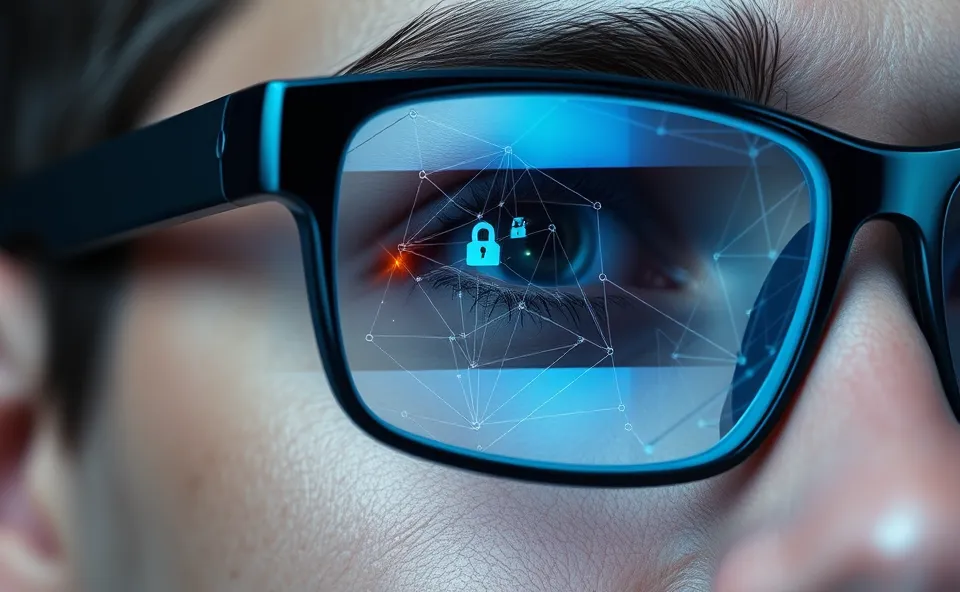
Eyes on the Border DHS AI Smart Glasses for ICE
So, picture this: the Department of Homeland Security DHS is apparently exploring a pretty wild idea – using AI powered smart glasses with facial recognition technology for Immigration and Customs Enforcement ICE agents. Think of it as putting a super smart computer right in front of an agent’s eyes, capable of instantly identifying people they encounter. This isn’t just about seeing more; it’s about seeing and identifying with the help of artificial intelligence, potentially transforming how ICE operates on the ground. It’s a significant leap in how government surveillance might function, raising a whole lot of questions about technology, privacy, and our civil liberties.
Why All the Buzz Now?
The reason this is suddenly a hot topic is because the technology is becoming more accessible and sophisticated. As companies like Meta develop consumer versions of smart glasses, the potential for government application becomes more apparent and, for many, more concerning. The idea of DHS AI smart glasses is no longer a far flung sci fi concept; it’s a tangible possibility that’s sparking intense debate. People are searching for this because they want to understand the implications of this advanced technology being integrated into law enforcement, especially when it involves sensitive biometric data and the potential for widespread tracking.
A Glimpse into the Past Government Surveillance Tech
To really get why this is such a big deal, we need to look back a bit. Facial recognition itself isn’t new, but its widespread use and integration into everyday devices like smart glasses are. Historically, government surveillance has evolved from basic observation to more advanced methods, always pushing the boundaries of what’s possible. Think about how CCTV cameras have become ubiquitous, and now imagine those cameras having the intelligence to not only record but also identify individuals in real time. This trend towards more data rich surveillance is accelerating, and the DHS AI smart glasses initiative fits right into that trajectory. It’s about augmenting human capabilities with technology, but the line between assistance and invasive monitoring can become very blurry.
What This Means for All of Us
The implications of DHS AI smart glasses with facial recognition for ICE are far reaching. For the individuals encountered by ICE agents, it means their movements and identities could be instantly logged and analyzed. This raises significant privacy concerns. Imagine walking around and knowing that your face could be scanned and matched against databases without your knowledge or consent. This kind of system could fundamentally alter the landscape of personal freedom and create a chilling effect on public life. It also brings up questions about the accuracy of these AI systems. What happens if there’s a misidentification? The potential for errors in biometric identification can lead to serious consequences for innocent people.
From a technological standpoint, this pushes the boundaries of augmented reality and AI. It shows how rapidly these technologies are advancing and how quickly they can be adopted for practical, and in this case, governmental purposes. Businesses involved in AI development, sensor technology, and data security will likely see increased interest and investment as such projects move forward. However, there’s also a crucial counterpoint to consider: civil liberties. Many are concerned that this technology could be a slippery slope, leading to a society where citizen tracking becomes the norm, potentially undermining rights protected by the Fourth Amendment, which guards against unreasonable searches and seizures.
The security of the massive amounts of biometric data collected is another huge concern. If this data falls into the wrong hands, the consequences could be devastating. This isn’t just about ICE surveillance; it’s about setting a precedent for how other agencies might use similar technologies. The debate isn’t just about technology; it’s about the kind of society we want to live in and the balance between security and individual freedom.
What Might Happen Next?
Looking ahead, it’s logical to expect that the development and testing of DHS AI smart glasses for ICE will continue. We’ll likely see more public discourse and advocacy from groups focused on civil liberties and privacy. There will be intense scrutiny on the deployment and oversight of such technologies. It’s also probable that legal challenges will arise, testing the boundaries of existing laws and potentially leading to new regulations governing the use of AI and facial recognition in law enforcement. Businesses involved in creating these technologies will have to navigate increasingly complex ethical and legal landscapes.
We might also see a push for greater transparency from DHS regarding how these systems work, their error rates, and the data security measures in place. The conversation will likely expand beyond ICE to encompass other law enforcement agencies and the broader implications for government surveillance across the board. The development of safeguards and ethical guidelines will be crucial in determining whether this technology serves as a helpful tool or becomes an instrument of pervasive monitoring.
Frequently Asked Questions
What exactly are DHS AI smart glasses with facial recognition for ICE?
DHS AI smart glasses for ICE are envisioned as wearable devices equipped with artificial intelligence and facial recognition capabilities. The goal is to allow immigration agents to instantly identify individuals they encounter by scanning their faces and matching them against databases, effectively integrating real time biometric identification into their field operations.
What are the main privacy concerns surrounding DHS AI smart glasses and ICE surveillance?
The primary privacy concerns revolve around the potential for mass surveillance and citizen tracking. If ICE agents are equipped with facial recognition smart glasses, there’s a risk of individuals’ identities and movements being continuously monitored and logged without their consent, potentially infringing on personal privacy and civil liberties. The collection and security of sensitive biometric data are also major worries.
How does facial recognition technology work in these proposed DHS AI smart glasses?
When an ICE agent wearing these smart glasses encounters someone, the glasses would capture an image of the person’s face. The onboard AI would then process this image, extracting unique facial features. These features are compared against a database of known individuals, like watchlists or government records, to determine if there’s a match. This process aims for rapid biometric identification.
What is the connection between DHS AI smart glasses, ICE surveillance, and civil liberties?
The connection is significant because the deployment of such advanced surveillance tools by ICE raises questions about the balance between national security and individual rights. Critics worry that widespread use of facial recognition technology in smart glasses could erode civil liberties, including the right to privacy and freedom from unreasonable searches, potentially impacting how people interact in public spaces due to the fear of constant monitoring.
Are there any regulations in place regarding the use of facial recognition technology by agencies like ICE?
The regulatory landscape for facial recognition technology is still developing. While there aren’t comprehensive federal laws specifically banning or strictly regulating its use by agencies like ICE, there are ongoing debates and proposed legislation. Concerns about data security, accuracy, and the potential for misuse are driving discussions about establishing clearer guidelines and oversight to protect against privacy concerns and ensure responsible deployment.











