

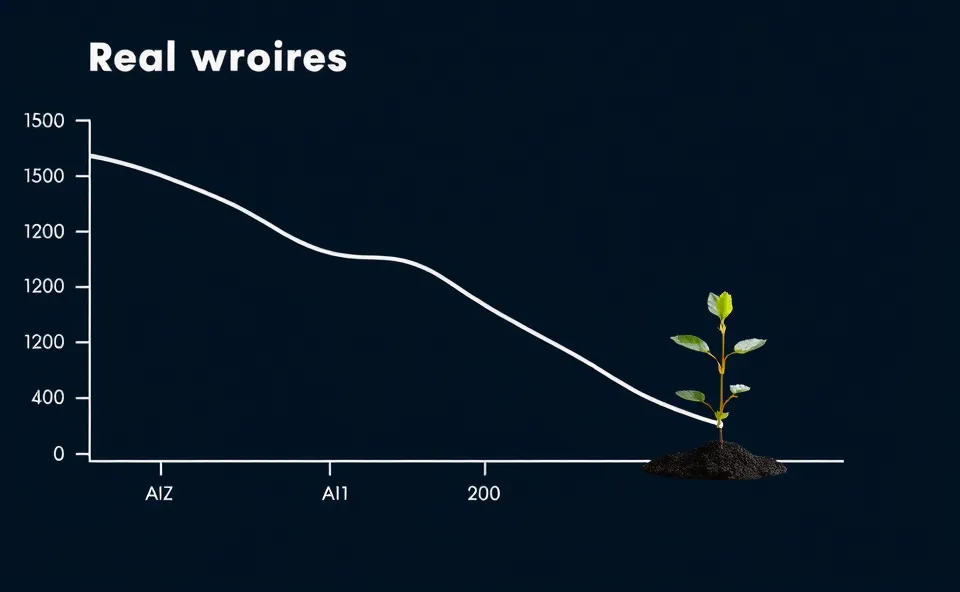
The Puzzle of Shrinking Wallets
Ever feel like your paycheck just doesn’t go as far as it used to? You’re not imagining things. Many people are experiencing what economists call negative real wages. In simple terms, this means that even if your nominal wages your actual dollar amount earned are going up, the cost of living is rising even faster. So, while you might be getting a raise, your purchasing power is actually shrinking. It’s like running on a treadmill that’s speeding up you’re moving but not getting ahead.
This phenomenon has a lot of folks talking and searching. It’s a direct hit to our daily lives, affecting everything from grocery bills to filling up the gas tank. When real wages turn negative, it means our hard-earned money buys less than it did before. This squeeze on our wallets is a big deal, and it’s why everyone is suddenly interested in understanding what’s behind this trend.
The culprit behind this is largely inflation. Inflation is basically the general increase in prices and the fall in the purchasing value of money. When prices shoot up across the board, the money you have in your pocket loses its power to buy goods and services. So, if prices rise by 5% and your wages only rise by 2%, you’ve effectively lost 3% of your purchasing power. That’s the essence of negative real wages.
Why All the Buzz About Real Wages Now?
The reason real wages have become such a hot topic lately is pretty straightforward: people are feeling the pinch. We’ve seen a significant surge in inflation over the past couple of years, much higher than what we’ve become accustomed to. This isn’t just abstract economic news; it’s a tangible reality hitting consumers hard. Suddenly, everyday essentials are costing more, and that old pay raise doesn’t feel so good anymore.
When inflation outpaces wage growth, the impact on household budgets is immediate and significant. People are looking for answers because they want to understand why their money isn’t stretching as far. Are wages going to catch up? Is this just a temporary blip? These are the questions on everyone’s mind, driving the intense interest in real wages and the broader economic outlook. It’s a conversation rooted in personal finance and the everyday struggle to make ends meet.
Furthermore, the general economic outlook is always a point of fascination, and when there are clear signs of strain like negative real wages, attention naturally sharpens. This isn’t just about a number; it’s about the well-being of families and the stability of consumer spending, which is a huge driver of any economy. The widespread nature of this inflation means it’s affecting almost everyone, making it a shared experience and a compelling subject for discussion.
A Look Back: When Money Felt Like It Went Further
To truly grasp why real wages are a concern today, it helps to remember a time when things felt different. For a good stretch of years, inflation was relatively low and stable. During that period, wage growth often kept pace with or even outpaced the rise in prices. This meant that people’s purchasing power generally increased over time, or at the very least, stayed steady. It was a period where the money you earned reliably bought you more or the same amount of goods and services.
This environment fostered a sense of economic security for many. People could plan for the future with more confidence, knowing that their savings would likely hold their value and their income would continue to grow in real terms. Businesses also benefited from predictable costs and steady consumer demand. It was a period characterized by modest but consistent economic expansion, where the concept of negative real wages was less of a public concern.
The shift to higher inflation has been a departure from this norm. Various factors contributed to the recent surge in prices, including supply chain disruptions, increased demand following lockdowns, and global events affecting energy and food prices. This combination of factors put upward pressure on costs across the economy, eventually outstripping the rate of wage growth for many workers, leading us to the current situation of negative real wages.
What This Means for Your Pocket and the Market
The impact of negative real wages is far-reaching, touching both individuals and the broader economy. For consumers, it means a real decline in their standard of living unless they find ways to increase their income or cut back on spending. This can lead to difficult choices, like delaying major purchases, reducing discretionary spending on entertainment or dining out, or dipping into savings.
Businesses also feel the effects. When consumers have less disposable income, demand for goods and services can weaken. This can lead to slower sales, increased competition, and potentially reduced investment or hiring. Companies might face pressure to raise prices to maintain profit margins, which can further fuel inflation, creating a challenging cycle. The cost of doing business also rises due to increased input costs, squeezing profitability.
From an investment strategy perspective, negative real wages signal a more cautious economic environment. Investors often look for companies that can maintain pricing power in inflationary times or those that are resilient to shifts in consumer spending. The central bank’s response to inflation, often involving interest rate hikes, also plays a crucial role. Higher interest rates can slow down the economy by making borrowing more expensive for both consumers and businesses, but they are a key tool in the fight against inflation. This complex interplay affects market sentiment and investment decisions.
Looking Ahead: A Path to Recovery or More Uncertainty?
The future trajectory of real wages depends on several key factors. One of the most important is whether inflation begins to cool down and how quickly. If price increases slow significantly, and wage growth can catch up, purchasing power will start to recover. This is the scenario many economists and investors are hoping for, as it suggests a return to more stable economic conditions.
Another crucial element is the ongoing adjustments in interest rates. Central banks are working to bring inflation under control, and their decisions on interest rates will have a significant impact on economic growth and borrowing costs. If interest rates stabilize or even begin to decline in the future as inflation subsides, it could provide a boost to consumer spending and business investment.
We are also seeing continued innovation and adaptation within businesses and technology. Companies are constantly seeking efficiencies and developing new products or services that can offer value to consumers. These efforts, coupled with a potential easing of global supply chain pressures, could contribute to a more favorable economic outlook where real wages can resume their upward trend. The key will be a balanced approach that tackles inflation without derailing economic progress.
Frequently Asked Questions
What are real wages and why are they important?
Real wages measure your wage growth adjusted for inflation. They are crucial because they reflect your actual purchasing power. If your real wages are negative, it means your money buys less than it did before, even if your nominal pay increased.
Why have real wages turned negative recently?
Negative real wages have occurred primarily because inflation has outpaced wage growth. The cost of living has risen faster than the average earnings, reducing people’s ability to buy goods and services with their income.
How does inflation affect consumer spending and the economy?
High inflation erodes purchasing power, which can lead to reduced consumer spending, especially on non-essential items. This slowdown in consumer spending can negatively impact businesses and the overall economic outlook.
What is the role of interest rates in the current economic trends?
Central banks often raise interest rates to combat inflation. Higher interest rates make borrowing more expensive, which can slow down economic activity and consumer spending, helping to cool down price increases. Conversely, lower interest rates can stimulate spending.
What does a negative real wage scenario mean for an investor?
For investors, negative real wages suggest a challenging economic environment where purchasing power is declining. An investor might look for companies that are less sensitive to consumer spending, have strong pricing power, or operate in sectors that are more resilient to inflation and economic slowdowns.











