

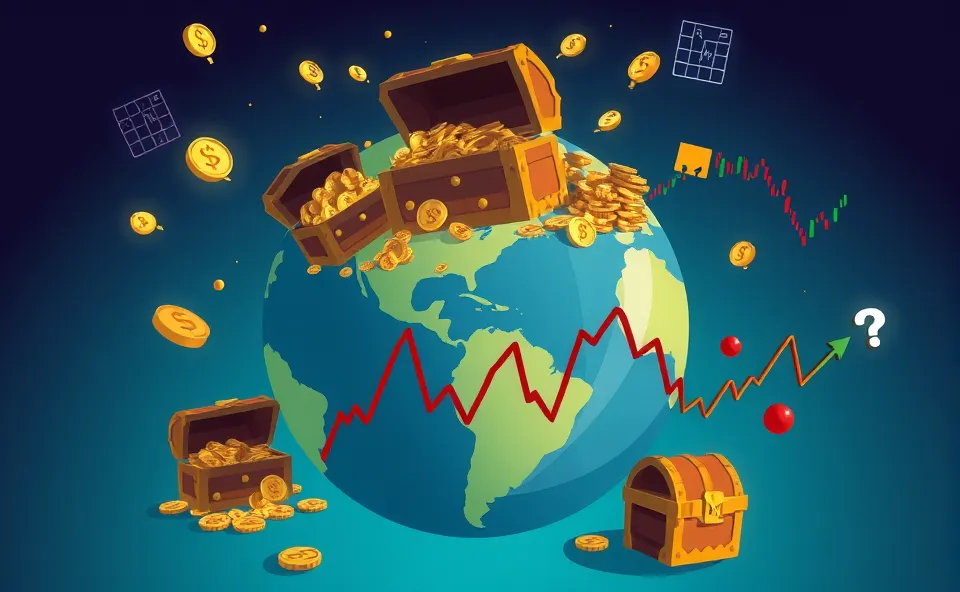
When Governments Start Pocketing the Goods
So, let’s talk about something a bit unusual that’s starting to shape the world of investing and business: governments are increasingly deciding to keep more resources for themselves. Think of it like a household suddenly deciding to stockpile way more food and supplies than usual. Instead of letting these resources flow freely into the market, where businesses and consumers would normally access them, governments are stepping in and holding onto them. This isn’t about a nation preparing for a natural disaster; it’s a more deliberate, strategic move that’s happening on a larger scale.
Why Are We Talking About This Now?
You might be wondering why this sudden interest in government hoarding is popping up. The reality is, the world has been through some pretty bumpy rides lately. We’ve seen supply chains stretched thin, unexpected shortages of key materials, and a general sense of uncertainty. In this environment, governments, like any other entity concerned about stability and national interest, are looking for ways to secure their own needs. This often means acquiring and holding onto critical resources, whether it’s raw materials, advanced technology components, or even certain types of finished goods. As these actions become more frequent and significant, it’s naturally catching the attention of anyone involved in finance and investment, because it directly affects how markets function.
A Little History Lesson on Resource Management
To really get why this government hoarding is a big deal, we need a tiny bit of background. For a long time, the dominant economic philosophy in many parts of the world has been open markets. The idea was that free trade and minimal government intervention would lead to the most efficient allocation of resources, benefiting everyone. Countries would specialize in what they do best and trade with each other. This created a predictable global marketplace where businesses could rely on a steady flow of materials. However, recent global events, like pandemics and escalating geopolitical risk, have highlighted the vulnerabilities in these highly interconnected systems. When a crisis hits, relying on other nations for essential goods can become risky. This has prompted a rethink, with governments now considering “security of supply” as a paramount concern, sometimes at the expense of pure market efficiency. This shift is a departure from the decades of globalization we’ve become accustomed to.
What This Means for Your Money and Business
This growing tendency for governments to hoard resources has some significant ripple effects, even if the broader market sentiment hasn’t fully caught up yet. For investors, it signals a new era of scarcity. When a major buyer like a government decides to stockpile, it naturally reduces the available supply for everyone else. This can lead to several things:
- Higher Prices: With less available, the cost of these hoarded resources goes up. This isn’t just about the immediate price tag; it can fuel broader inflationary pressures across various sectors as businesses face increased input costs.
- Supply Chain Disruptions: Businesses that depend on these resources might find it harder and more expensive to get what they need. This can lead to production delays, increased lead times, and a need to find alternative, possibly less efficient, suppliers.
- Shifting Investment Strategies: Traditional investment strategies that relied on predictable supply and demand might need a serious overhaul. Investors are now looking at companies that are resilient to these kinds of shortages, those that can secure their own supply chains, or those that produce substitutes. There’s a growing focus on “resource scarcity” as a defining investment theme.
- Increased Geopolitical Risk Premium: When governments hoard resources, it often stems from geopolitical tensions. This means investors need to factor in a higher risk premium for investments in regions or industries prone to such conflicts or policy shifts.
- Opportunity in Uncertainty: While it sounds daunting, this situation also creates opportunities. Companies that can navigate these resource challenges, develop innovative solutions, or even benefit from government stockpiling initiatives could see significant growth.
Essentially, the playbook is changing. What was once considered a stable global market is becoming more fragmented and influenced by national priorities. This means that understanding government resource policies is becoming just as important as understanding corporate earnings or economic indicators.
Looking Ahead: A New Normal?
What does the future hold in this landscape of government hoarding? It’s unlikely that governments will suddenly reverse course and completely disengage from resource management. The lessons learned from recent global challenges are too potent. We can probably expect this trend to continue, perhaps even intensify, as nations prioritize self-sufficiency and security. This means:
- Continued Focus on Resilience: Businesses will continue to invest heavily in making their supply chains more robust and less dependent on single sources.
- Technological Innovation: We’ll likely see accelerated innovation in areas that reduce reliance on scarce resources, such as new materials, recycling technologies, and more efficient production methods.
- Sectoral Winners and Losers: Some industries will be hit harder than others. Those heavily reliant on specific, government-prioritized resources might struggle, while those offering alternatives or solutions could thrive.
- Evolving Market Sentiment: As this scarcity becomes more pronounced and its effects more visible, market sentiment will eventually shift to fully acknowledge it. This could lead to significant revaluations across asset classes.
This isn’t a temporary blip; it feels more like a fundamental economic shift that investors and businesses need to understand and adapt to. The era of assured global resource availability might be giving way to a more managed, and perhaps more volatile, future.
Frequently Asked Questions
What does government hoarding of resources mean for my investments?
Government hoarding of resources can lead to increased scarcity and higher prices for certain materials. This impacts investment strategies by potentially increasing costs for businesses and affecting the profitability of companies that rely on these hoarded goods. Investors might need to adjust their portfolios to account for resource scarcity and the associated risks.
How does government hoarding influence market sentiment?
While markets may not have fully priced in the impact of government hoarding yet, it is a factor that can contribute to increased uncertainty and risk. As governments actively secure resources, it can signal a less predictable global marketplace, potentially dampening overall market sentiment due to concerns about future supply and rising costs.
What are smart investment strategies in an era of government hoarding and resource scarcity?
Smart investment strategies in this environment often involve focusing on companies with strong, diversified supply chains, those that are developing alternatives to scarce resources, or those that can benefit from government stockpiling initiatives. Understanding the impact of resource scarcity on different sectors is key.
Are there any benefits to governments hoarding resources for economic shifts?
While the primary impact on markets can be seen as challenging, government hoarding might, in some cases, be seen as a measure to ensure national security and stability during significant economic shifts. However, for global markets, the direct consequence is often reduced availability and increased price volatility.
How does geopolitical risk relate to government hoarding and investing?
Geopolitical risk is a major driver behind government hoarding. As international relations become more strained, nations are more inclined to secure critical resources for themselves, impacting global markets. Investors must consider this heightened geopolitical risk when developing their investment strategies, as it directly influences resource availability and stability.











