

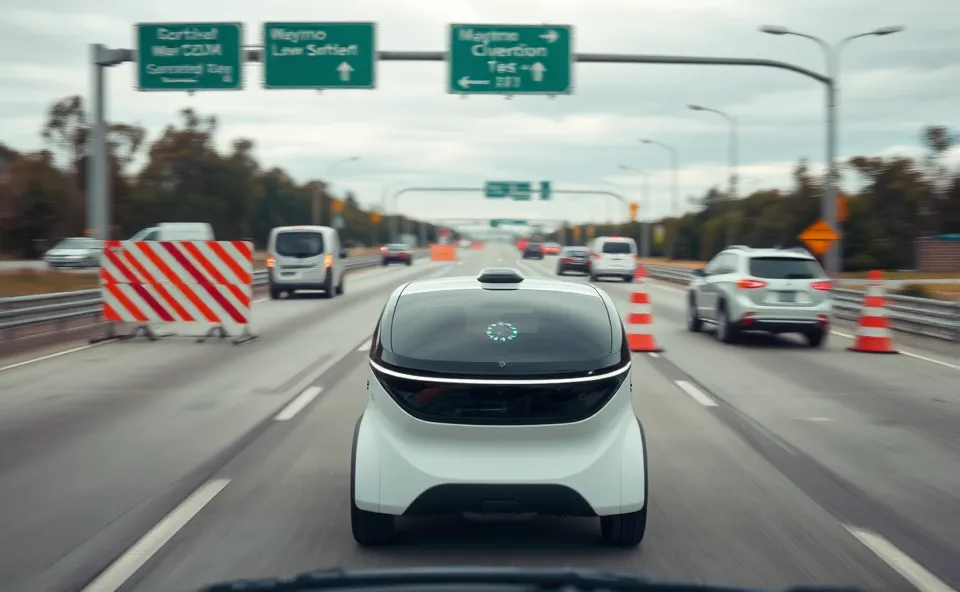
Something’s Happening on the Highway for Waymo
So, you know how Waymo is that company trying to make robotaxis a real thing? Well, they’ve hit a bit of a speed bump, and it’s a pretty big one. They’ve decided to temporarily pause their robotaxi service on freeways. Yep, those self-driving cars that can zoom along the highway are taking a break from that specific part of their operation. But don’t worry, they’re still cruising around on regular city streets. This pause is specifically for their freeway operations.
Why Are We Talking About This Right Now?
The reason this is suddenly on everyone’s radar is because Waymo is a leading name in the autonomous vehicle world. When a pioneer like Waymo makes a significant operational change, especially one related to safety, it gets a lot of attention. People are naturally curious about what’s going on with driverless technology, and this development raises important questions. It’s a sign that even with all the advancements in AI and self-driving cars, there are still real-world challenges to overcome. The news has sparked conversations about the readiness of these vehicles for all types of driving, from city grids to high-speed highways.
A Little History With Your Robotaxis
Waymo has been at this for a while. They’re basically the successor to Google’s self-driving car project, and they’ve been testing and operating robotaxis for years. Before this pause, they had been steadily expanding their freeway capabilities. Their Waymo One service, which is what the public uses, has been available in certain areas, and the ability to handle freeways is a key part of offering a comprehensive service. They’ve been working hard to make sure their autonomous vehicles can handle everything from complex city intersections to the more straightforward, but still demanding, environment of highway driving. This wasn’t a sudden decision; it’s a refinement based on ongoing experience and data.
What Does This Mean for the Future of Getting Around?
This pause is a really interesting development for anyone watching the progress of autonomous vehicles. For everyday users who might have been looking forward to hopping into a Waymo on the freeway, it means that particular convenience is on hold for now. The focus remains on their surface street operations, which are still active and providing rides. For the broader autonomous vehicle industry, this highlights that mastering freeway driving, especially in challenging conditions, is a hurdle that still needs to be cleared completely. It suggests that the software and safety systems need more fine-tuning to handle the high speeds, rapid changes, and complex interactions that occur on freeways. This could mean longer development cycles for similar technologies aiming for freeway autonomy. Businesses involved in public transportation and the development of driverless technology will be watching closely to see how Waymo addresses these safety concerns and what software updates emerge from this period.
What’s Next on the Road?
So, what happens now? Waymo is clearly prioritizing safety and addressing specific software concerns. This doesn’t mean they’re abandoning freeway driving altogether. Instead, it’s a period of intense focus and likely rigorous testing and software updates. Think of it like a chef needing to perfect a complex dish before serving it at a big event. They’ll likely be analyzing the data from their previous freeway operations, looking at how the cars handled different scenarios, especially in areas like construction zones where the rules of the road can change quickly. The goal will be to ensure the AI and the vehicle’s decision-making processes are robust enough to handle the dynamic nature of freeway driving with an even higher degree of confidence. This might also involve refining the sensors and the understanding of the vehicle’s environment. We can expect Waymo to reintroduce freeway operations once they are fully satisfied with the safety and reliability of their system. This is a natural part of the iterative process of developing cutting-edge technology like robotaxis.
Frequently Asked Questions About Waymo’s Robotaxi Pause
What is Waymo pausing on freeways?
Waymo is pausing its fully driverless robotaxi service, known as Waymo One, on freeways. This means the autonomous vehicles will not be offering rides on highway routes for the time being. They continue to operate on surface streets.
Why did Waymo pause freeway robotaxi operations?
The company cited safety and software concerns as the reasons for the pause. They are taking this step to ensure the highest level of safety and reliability for their autonomous vehicles before resuming full freeway operations.
Are all Waymo robotaxis stopped?
No, Waymo’s robotaxi service is still active on city streets. The pause is specifically limited to their freeway operations. You can still hail a Waymo robotaxi for rides within their service areas on regular roads.
What are the safety concerns with Waymo’s freeway operations?
While specific details aren’t public, safety concerns in freeway operations for autonomous vehicles often relate to handling high speeds, sudden braking by other drivers, merging into traffic, and navigating complex interchanges. Software updates are likely being developed to improve the AI’s ability to manage these situations.
When will Waymo resume freeway robotaxi services?
Waymo has not provided a specific timeline for the resumption of freeway operations. They have stated that they will reintroduce them once they are confident in the safety and performance of their system. This is part of a commitment to rigorous testing and software refinement in the development of driverless technology.











