

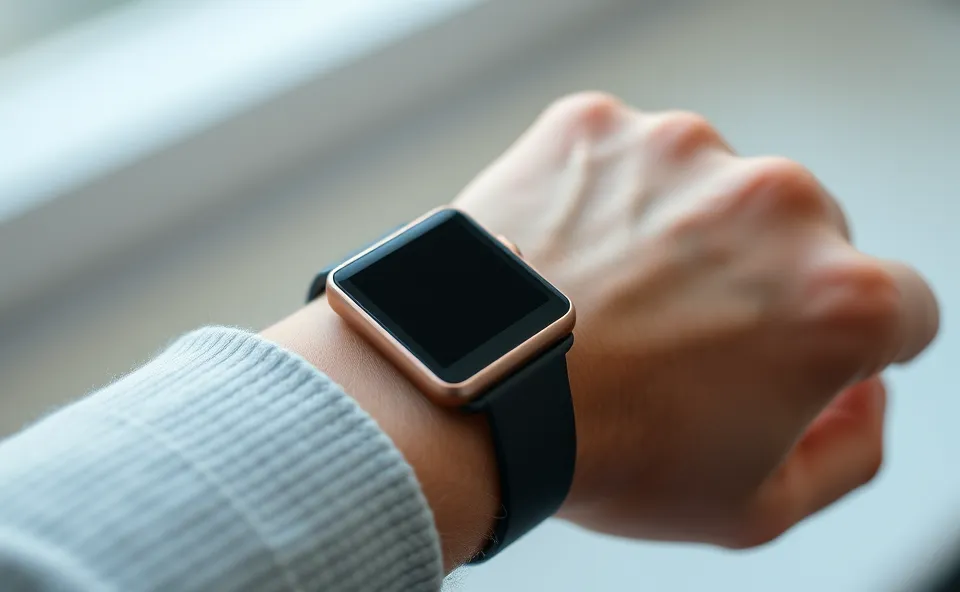
The Google Fitbit Air: A Bold New Direction for Wearables
So, you’ve probably heard the buzz about the Google Fitbit Air, or maybe you’ve just stumbled upon it and wondered what the fuss is all about. Well, let’s break it down. Imagine a fitness tracker that ditches the screen entirely. Yep, you read that right. No tiny display showing your steps or heart rate. Instead, the Fitbit Air is all about the essentials, focusing on delivering core health and activity tracking without the distractions of a screen. It’s a smart device that’s surprisingly simple, and that’s exactly what’s making people curious.
Why is Everyone Talking About the Fitbit Air Now?
The sudden surge in interest around the Google Fitbit Air isn’t out of the blue. It’s a combination of factors that have landed it squarely in the spotlight. For starters, Google has been steadily integrating Fitbit into its ecosystem, and the Fitbit Air represents a significant step in that journey. It’s a Google wearable that’s challenging our expectations of what a fitness device can be. Plus, in a market often flooded with devices packing every conceivable feature, the minimalist approach of the Fitbit Air is incredibly appealing. People are looking for affordable fitness trackers that do a good job without costing an arm and a leg, and this budget Fitbit seems to fit that bill perfectly. It taps into a growing trend of wanting technology that enhances our lives subtly, rather than demanding constant attention.
Peeking Behind the Curtain: Where Did the Fitbit Air Come From?
To truly appreciate the Fitbit Air, it helps to know a little about its lineage. Fitbit has been a household name in the fitness tracking world for years. They’ve built a reputation for creating reliable devices that help people understand their health better. Google acquired Fitbit, and this acquisition has opened up new possibilities for innovation. The Fitbit Air isn’t just a new product; it’s a reflection of Google’s vision for how wearable technology can evolve. They’re exploring ways to deliver valuable health monitoring and activity tracking in a form factor that’s less intrusive. This screenless wearable concept isn’t entirely new in the broader tech landscape, but applying it to the trusted Fitbit brand under Google’s umbrella gives it a fresh, intriguing angle. It’s about taking the best of Fitbit’s health expertise and marrying it with Google’s technological prowess, all while aiming for accessibility.
What Does the Fitbit Air Mean for You and the Tech World?
The impact of the Google Fitbit Air, even before its widespread release, is quite significant, and it ripples out in a few key ways. For users, this affordable fitness tracker represents a different kind of connection with their health data. Instead of constantly checking a screen, the idea is to rely on the device for background health monitoring and then dive deeper into the information via a connected app. This minimalist wearable approach could be a game changer for those who find current smartwatches and trackers too distracting or overwhelming. It’s about getting the core benefits of activity tracking and health insights without the added complexity and cost. Think of it as a focused tool designed to support your wellness journey, not dominate your attention.
For the tech market, the Fitbit Air signals a potential shift. It challenges the ‘bigger screen, more features’ mentality that has dominated wearables. If successful, it could pave the way for a new category of ultra simplified, affordable fitness trackers. Businesses might see an opportunity to cater to consumers who are price conscious and prioritize core functionality over bells and whistles. It also pushes the boundaries of what a ‘Google wearable’ can be, showing a willingness to experiment with radically different designs. This minimalist wearable could encourage competitors to think outside the box, potentially leading to more diverse and user friendly options in the future. The emphasis on essential health monitoring means it’s not just about counting steps; it’s about providing meaningful data that empowers users to make better lifestyle choices.
Looking Ahead: What’s Next for the Fitbit Air and Wearables?
So, where does the Google Fitbit Air take us from here? The immediate future will likely involve seeing how users actually adopt and interact with a screenless wearable. Will the app experience be robust enough to compensate for the lack of on device display? If the Fitbit Air proves popular, we could see Google and other companies double down on this minimalist wearable trend. This might mean more affordable fitness trackers hitting the market, perhaps with even more specialized health sensors but still no screens. We might also see an evolution of how these devices provide feedback. Imagine subtle haptic vibrations that communicate different types of alerts or insights.
The success of the Fitbit Air could also influence the broader Google wearable strategy. It might free up resources to focus on enhancing the core health monitoring capabilities of future devices. For those looking for a budget Fitbit or a straightforward way to track their activity, this could be the start of something big. It’s an exciting time because it suggests that the wearable market isn’t just about cramming more tech into a small space; it’s also about finding smarter, more intuitive ways to integrate technology into our lives to support our well being. This could lead to a more inclusive market where advanced health monitoring is accessible to a wider audience.
Your Burning Questions About the Google Fitbit Air Answered
What are the main health features of the Google Fitbit Air?
The Google Fitbit Air focuses on core health monitoring like activity tracking, sleep analysis, and heart rate monitoring. While it lacks a screen for on device data display, it syncs with the Fitbit app to provide detailed insights into your daily movements, sleep patterns, and cardiovascular health, making it an effective health monitoring tool.
Is the Google Fitbit Air an affordable fitness tracker option?
Yes, affordability is a key selling point for the Google Fitbit Air. It aims to provide robust activity tracking and health monitoring at a price point that makes it accessible to a wider range of consumers, positioning it as a compelling budget Fitbit choice in the market.
How does the screenless design of the Fitbit Air impact user experience?
The screenless design of the Fitbit Air creates a more minimalist wearable experience. Instead of looking at a display, users are encouraged to engage with their data through a companion app. This can lead to fewer distractions and a more focused approach to health and activity tracking.
Can I still track my workouts with the Google Fitbit Air?
Absolutely. The Google Fitbit Air excels at activity tracking, allowing you to record various workouts and monitor your progress. While you won’t see real time stats on your wrist, all your workout data will be available for review and analysis in the Fitbit app, ensuring you don’t miss a beat.
What makes the Fitbit Air a unique Google wearable?
The Fitbit Air stands out as a Google wearable due to its deliberate screenless design and emphasis on core health features at an accessible price. It represents a departure from the feature heavy approach of many smartwatches, focusing instead on providing essential health monitoring in a simple, unobtrusive package that integrates seamlessly into your daily life.











