

The Rise of the Fake Faces Selling Your Favorites
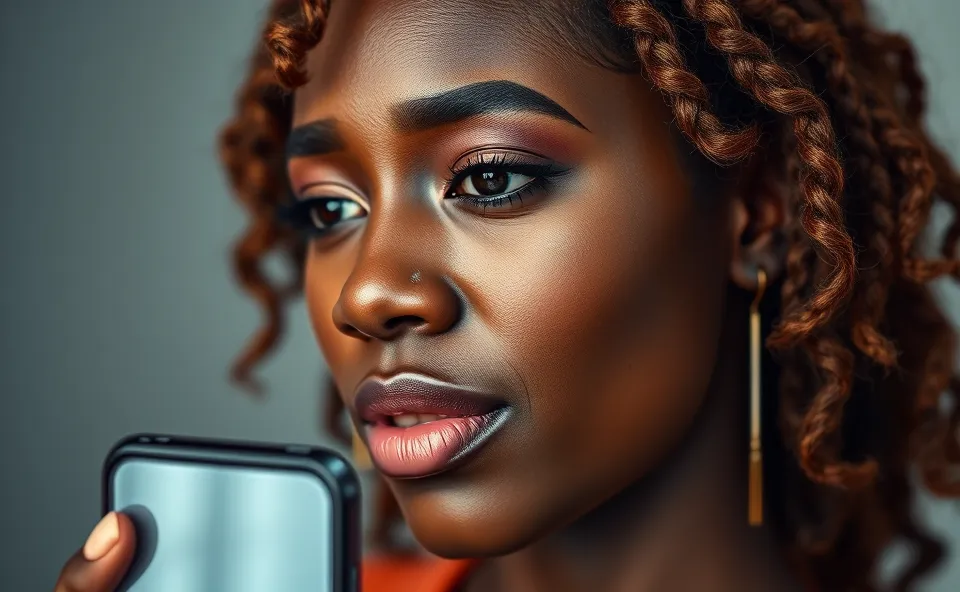
Imagine scrolling through TikTok or Instagram and seeing someone who looks and sounds like a real person, excitedly showing off trendy clothes or accessories. They seem relatable, they’re engaging, and they’re pushing products you might have seen on sites like Shein. But what if I told you that person isn’t real? What if their whole persona, their voice, their appearance, is all created by artificial intelligence? This is the new frontier of AI scams, where fake influencers are popping up, and a worrying trend is their impersonation of Black people to sell cheap, dropshipped goods.
Why Are We Talking About This Right Now?
The reason this is suddenly such a hot topic is because these AI generated figures are becoming incredibly sophisticated. Gone are the days of obviously robotic voices or uncanny valley faces. These AI influencers are starting to look and sound remarkably human. And as they get better, they’re being deployed in a way that feels particularly exploitative. The use of AI scams to create fake influencers, especially those who mimic specific demographics like Black individuals, is gaining traction because the technology is now advanced enough to pull it off convincingly, leading to widespread confusion and concern online.
A Little Background on This Digital Deception
For a while now, the world of influencer marketing has been a powerful way for brands to reach consumers. People trust recommendations from individuals they feel they know or aspire to be like. This opened the door for dropshipping, a business model where sellers don’t keep the products they sell in stock. Instead, when a store sells a product using dropshipping, it purchases the item from a third party and has it shipped directly to the customer. It’s a low overhead way to sell things online.
Now, combine that with the rapid advancements in artificial intelligence, specifically in creating realistic images and voices. AI can generate entirely new faces that have never existed. It can also synthesize speech that sounds indistinguishable from a real person. What we’re seeing is the fusion of these elements. Scammers are using AI to create virtual people who look like they belong to a certain community, like Black women, and then using them to promote products. These AI generated personas are often set up on social media platforms like TikTok, Facebook, and Instagram, leveraging the trust and engagement that real influencers build, but without any genuine human connection or representation behind them. It’s a clever, albeit unethical, way to tap into different markets and consumer bases.
What Does This Mean for All of Us?
The implications of these AI scams and fake influencers are pretty significant, touching on several fronts.
- For Consumers: The most immediate impact is deception. You might be buying a product based on the recommendation of someone who isn’t a real person, let alone someone from the community they appear to represent. This erodes trust in online content and influencer marketing as a whole. When fake Black influencers are used, it can also feel like a hollow attempt to gain credibility and profit, without any genuine support or representation for the community being mimicked. It’s a form of digital impersonation that preys on our desire for connection and authenticity.
- For Ethical AI Development: This trend raises serious ethical concerns about how artificial intelligence is being used. Creating AI models that can convincingly impersonate specific demographics for commercial gain, especially without consent or transparency, is a slippery slope. It highlights the need for clear guidelines and regulations around AI generation and its application in marketing and social media.
- For Businesses and Influencer Marketing: Brands that unknowingly partner with these AI generated entities could face reputational damage. It also disrupts the legitimate influencer marketing industry, where real people build careers and authentic relationships with their followers. The ease with which fake personas can be created could flood platforms with inauthentic content, making it harder for genuine influencers to stand out.
- For Online Safety: This is another layer of online scams. These AI generated figures are often tied to dropshipping schemes that might sell low quality products or engage in fraudulent practices. The sophisticated nature of the impersonation makes these scams harder to detect.
Where Do We Go From Here?
Looking ahead, it’s likely we’ll see a couple of key developments.
Firstly, platforms will need to step up their game in detecting and flagging AI generated content. This might involve new AI tools specifically designed to identify fake personas or stricter verification processes for accounts that appear to be run by influencers. We might also see more watermarking or disclosure requirements for AI generated media.
Secondly, there will likely be a greater push for transparency from brands and influencers. Consumers may start demanding to know if the influencers they follow are real people and if the content they produce is authentic. This could lead to new standards and best practices within the influencer marketing industry.
Finally, the ongoing conversation around AI ethics will intensify. As the technology gets more powerful, the discussions about responsible use, potential for misuse, and the need for ethical frameworks will become even more critical. The goal will be to harness the positive potential of AI while mitigating the risks associated with AI scams and malicious impersonation.
Your Burning Questions Answered
What exactly are AI scams involving fake Black influencers?
These are online schemes where artificial intelligence is used to create realistic, fake personas that appear to be Black individuals. These AI generated influencers are then used on social media platforms to promote products, often from dropshipping businesses like those found on Shein, without disclosing their artificial nature. The goal is to leverage the perceived authenticity and appeal of Black creators for financial gain.
How do these fake influencers make money?
They typically make money through affiliate marketing or by being paid by dropshipping companies to promote their products. When someone buys a product through a unique link provided by the AI influencer, the scammer receives a commission. They might also be part of broader online scams that aim to deceive people into purchasing low quality goods or providing personal information.
Is it difficult to tell if an influencer is AI generated?
It’s becoming increasingly difficult. As artificial intelligence technology advances, AI generated images and voices are becoming remarkably lifelike. While early AI influencers might have had subtle tells, newer ones can be very convincing. Some signs might include overly perfect or consistent appearances, a lack of genuine personal interaction in comments, or a sudden surge in content without much personal backstory.
Why are scammers targeting Black people specifically with these AI scams?
This tactic often aims to capitalize on existing online communities and trust. Certain demographics, including Black communities, have a strong presence and influence on social media. By impersonating individuals from these groups, scammers attempt to build a superficial sense of credibility and relatability, hoping to reach a wider audience and increase the chances of people engaging with their deceptive marketing or products.
What can I do to protect myself from these types of fake influencers and AI scams?
Be critical of the content you see online. Look for transparency; real influencers often share personal stories and engage genuinely with their audience. Be wary of accounts that only promote products without much personal content. Do your research on the brands being promoted, especially if they are part of dropshipping operations. Report suspicious accounts to the social media platforms. Understanding that AI scams are becoming more sophisticated is the first step in avoiding them.











