

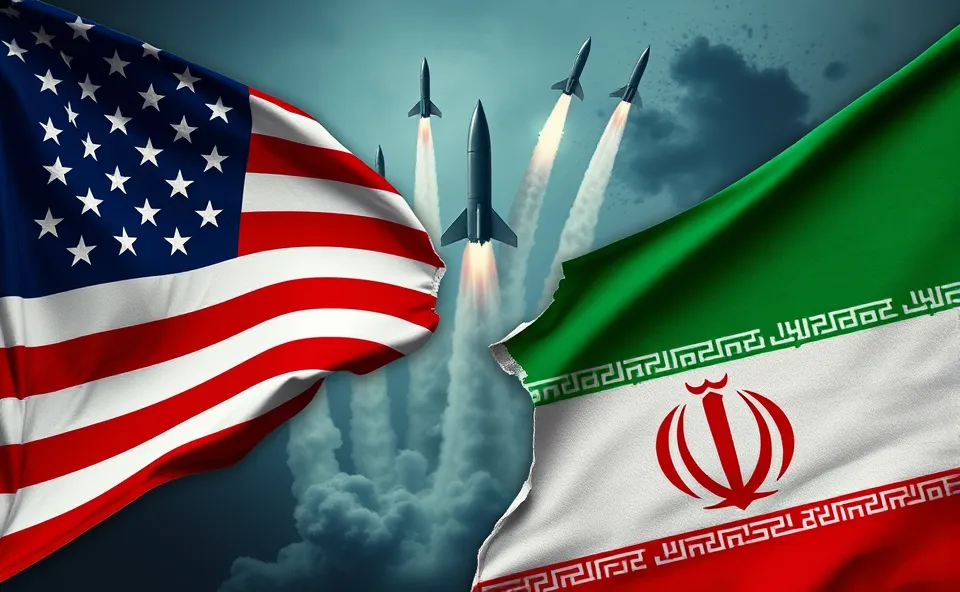
The Sparks Fly Again US Iran Tensions Flare Up
Hey there. It feels like we’ve seen this movie before, doesn’t it? The US Iran tensions are back in the spotlight, and this time it’s not just heated words. We’re talking about actual missile launches that have folks on edge. Centcom, the folks who oversee military operations in the Middle East, have reported Iran launching ballistic missiles, and guess where they were pointed? Towards areas near Kuwait and Bahrain. It’s a serious development that’s shaking up the region and getting everyone talking about what it all means.
Why the Buzz Now Iran’s Latest Moves
So, why is this suddenly all over the news? Well, it’s the combination of a few things that are really making people pay attention. The fact that peace talks between the US and Iran have been stalled for quite some time is a big piece of the puzzle. When diplomacy isn’t making progress, and then you see actions like these missile launches, it naturally raises the temperature. It’s like the quiet before a storm, and everyone’s bracing for what might come next. People are searching for answers because this isn’t just a distant headline; it has real implications for regional stability and international relations.
A Look Back What Led Us Here
To really get why these US Iran tensions are so concerning now, we need a quick refresher. The relationship between the United States and Iran has been complicated for decades. There’s a long history of mistrust and conflict, stemming from various events and political differences. In recent years, the focus has often been on Iran’s nuclear program and its regional influence. Talks aimed at easing these tensions and finding common ground have been incredibly difficult. They’ve gone through periods of intense negotiation and then frustrating dead ends. The current situation with Iran ballistic missiles being launched into proximity of neighboring countries, like Kuwait and Bahrain, feels like a significant escalation after a period of simmering disagreement. It’s a reminder that the underlying issues haven’t been resolved, and the potential for conflict remains very real.
The Ripple Effect What This Means for All of Us
When we talk about US Iran tensions and events like Iran ballistic missiles being fired, the impact goes far beyond the immediate headlines. For businesses, especially those operating in or reliant on the Middle East, this kind of regional instability is a major concern. Think about supply chains for oil and gas; any disruption in that region can send shockwaves through global markets. Technology companies involved in cybersecurity and defense are also on high alert. The heightened risk of geopolitical conflict means an increased demand for advanced security solutions and a need for constant monitoring of potential cyber threats. For everyday people, the immediate impact might seem distant, but it can translate into higher energy prices at the pump or uncertainty in global financial markets. It’s a stark reminder of how interconnected our world is and how regional security issues can have far reaching consequences. The diplomatic crisis also creates an environment where finding solutions becomes even harder, potentially prolonging the uncertainty.
Peering into the Fog What Might Come Next
Predicting the future is always tricky, especially in the complex world of international relations. However, we can look at the current trajectory and make some educated guesses about what might happen next regarding US Iran tensions. With the peace talks stalled and Iran’s missile launch towards Kuwait and Bahrain, the immediate outlook is one of heightened caution. We might see increased diplomatic efforts behind the scenes, even if public negotiations remain at a standstill. There could also be a strengthened military presence in the region from the US and its allies, as a deterrent and a show of commitment to regional security.
One possibility is a period of increased rhetoric and saber rattling from both sides. This is often a tactic used to gain leverage or to signal resolve. However, the risk of miscalculation is also significant. A minor incident could quickly escalate if tensions are already running high.
On the other hand, the international community might step up its efforts to de-escalate the situation. Calls for restraint from key global players could become more vocal. The hope is that enough pressure will be applied to encourage both the US and Iran to step back from the brink and reconsider their current paths.
The economic impact will likely continue to be a factor. If the situation deteriorates, we could see further volatility in oil prices and potential sanctions being tightened or imposed, impacting Iran’s economy and its ability to fund its military programs.
Ultimately, the path forward will likely depend on a complex interplay of diplomatic maneuvering, military posturing, and economic pressures. The hope remains that a diplomatic solution can eventually be found, but the current events surrounding Iran ballistic missiles suggest that pathway is more challenging than ever.
Common Questions About Today’s Headlines
What are the main reasons behind the current US Iran tensions?
The renewed US Iran tensions stem from a complex mix of factors, including long-standing political disagreements, concerns over Iran’s nuclear program and regional activities, and most recently, Iran’s ballistic missile launches towards areas near Kuwait and Bahrain, as reported by Centcom. The stalled peace talks also contribute significantly to the current unease.
How do Iran’s ballistic missile launches affect Middle East security?
Iran’s ballistic missile launches pose a direct threat to Middle East security by increasing regional instability and the risk of direct conflict. Such actions raise concerns for neighboring countries like Kuwait and Bahrain, potentially leading to a heightened military posture and increased diplomatic crises across the region.
Are the stalled peace talks a major contributor to the current US Iran tensions?
Yes, the stalled peace talks are a significant factor in the current US Iran tensions. When diplomatic channels are not effectively functioning, there’s a greater likelihood that other means, such as military actions like Iran ballistic missiles, will be employed, exacerbating the geopolitical conflict and making de-escalation more difficult.
What role does Centcom play in reporting on US Iran tensions and missile launch incidents?
Centcom, the United States Central Command, plays a crucial role in reporting on military activities in the Middle East. Their confirmation and reporting of events like Iran’s ballistic missile launches towards Kuwait and Bahrain provide vital information to the public and international observers, helping to shape the narrative and understanding of the evolving US Iran tensions.
What are the potential economic impacts of increased US Iran tensions and regional instability?
Increased US Iran tensions and the resulting regional instability can have significant economic impacts. These include potential disruptions to global oil supplies, leading to price volatility, and the possibility of further sanctions that could affect Iran’s economy and international trade. Markets often react negatively to such geopolitical conflicts, creating an atmosphere of uncertainty for businesses and investors.











