

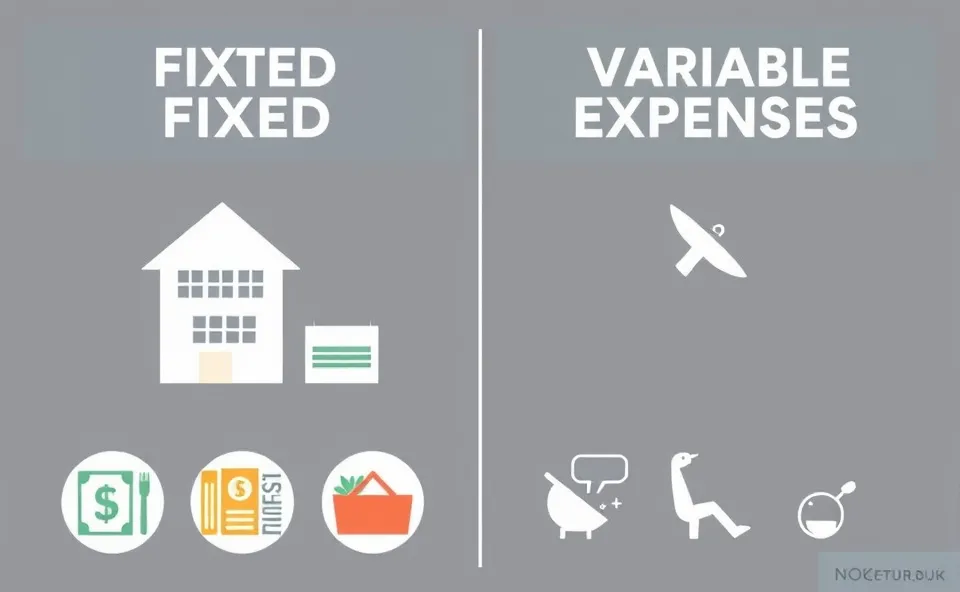
Figuring Out Your Money: Fixed vs. Variable Expenses Explained
Ever feel like your money just disappears? You get paid, and suddenly you’re wondering where it all went. A big part of understanding your cash flow comes down to recognizing the difference between fixed vs variable expenses. It sounds a bit technical, but it’s actually super straightforward and a game changer for your personal finance basics.
Why Are We Talking About This Now?
You might be noticing a lot more buzz around the topic of fixed vs variable expenses lately. It’s no accident! In uncertain economic times, people naturally start looking closer at their spending. When budgets feel tight, and costs seem to be shifting, understanding where your money is going becomes more important than ever. It’s about getting a clear picture so you can make smarter choices, whether that’s planning your monthly budget, or just trying to get a handle on your spending habits.
A Little History Lesson on Your Dollar
Think about how people have managed money for ages. Even before fancy spreadsheets or apps, folks had to figure out what was essential and what was a treat. The idea of categorizing expenses isn’t new. We’ve always had costs that are pretty much the same every month, like rent or mortgage payments. These are your fixed expenses. Then you have the costs that can change depending on how much you use something or what you decide to buy. These are your variable expenses.
For a long time, this distinction was mostly about survival and making ends meet. You paid for your roof over your head first. Then, you bought food and other necessities. If there was money left, you might have splurged a little. Over time, as societies and economies became more complex, so did our expense categories. We now have much more variety in both fixed and variable costs, from subscriptions to entertainment, making it even more crucial to understand the core difference.
What This Means for Your Wallet
So, how does knowing about fixed vs variable expenses actually help you? It’s all about empowerment and control. When you can clearly identify your types of expenses, you gain a powerful tool for cost management and effective financial planning.
Let’s break down the core difference:
The Rock Solid Ones: Fixed Expenses
These are the bills that generally stay the same amount each month, or at least have predictable, set payments. They are the foundation of your monthly budget. You know they’re coming, and for the most part, you can’t easily change them from one month to the next. Think of them as the non negotiable parts of your financial life.
Common examples of fixed expenses include:
- Rent or mortgage payments
- Loan repayments (car loans, student loans)
- Insurance premiums (health, auto, home)
- Certain subscription services with fixed monthly fees (like a gym membership or a streaming service with a set price)
- Property taxes (though these can be paid annually, they are a fixed cost)
The beauty of fixed expenses is their predictability. They make up a significant portion of your financial obligations, and while you can’t easily tweak them month to month, knowing their exact amount helps you plan the rest of your spending. If your fixed expenses are high, it means you have less flexibility with your variable spending.
The Shifting Sands: Variable Expenses
These are the costs that fluctuate. They change based on your usage, your choices, and external factors. They are the parts of your budget where you often have the most flexibility and control over your spending habits. When you’re looking to cut back or save more, variable expenses are usually the first place to focus.
Here are some typical variable expenses:
- Groceries and dining out
- Utilities (electricity, gas, water – these depend on usage)
- Gasoline for your car
- Entertainment and hobbies
- Clothing and personal care items
- Medical expenses (copays, prescriptions)
- Home maintenance and repairs
The impact of variable expenses is that they can make your monthly budget feel a bit like a moving target. Some months you might spend more on groceries because you hosted a dinner party, or less on gas because you worked from home more. Mastering your variable expenses is key to effective expense tracking and achieving your financial goals. It’s about making conscious decisions about where you want your money to go within these fluctuating categories.
Why This Distinction Matters for Your Budgeting
Understanding fixed vs variable expenses is fundamental to creating a realistic and effective monthly budget.
- Budgeting Power: When you know your fixed costs, you know the minimum amount you need to cover each month. This frees up mental space to plan how to allocate the remaining funds towards your variable expenses and savings goals.
- Spending Control: Variable expenses offer the most immediate opportunity to adjust your spending. If you need to save more or want to redirect funds towards a specific goal, you can consciously reduce spending in areas like dining out, entertainment, or non essential purchases.
- Financial Planning: For long term financial planning, knowing your fixed obligations helps you understand how much discretionary income you truly have. This is crucial for making decisions about saving for retirement, investing, or planning for major purchases.
- Emergency Preparedness: A solid understanding of your fixed vs variable expenses helps you build a more robust emergency fund. You know your essential fixed costs that need to be covered if your income is interrupted.
Looking Ahead: What’s Next for Our Money?
As technology continues to evolve, our expense landscape will likely become even more nuanced. We’re seeing a rise in subscription models for everything from software to services, blurring the lines between one time purchases and recurring fixed costs. This means that staying on top of your expense tracking will require ongoing vigilance. More sophisticated personal finance apps will probably emerge, offering even better ways to categorize and analyze your spending, helping you differentiate between fixed vs variable expenses with greater ease.
The core principle, however, remains the same. Whether costs are fixed or variable, they all impact your financial well being. The key will be to leverage new tools and maintain a conscious approach to your spending habits to ensure you’re always in the driver’s seat of your financial future. This ongoing effort in cost management will be crucial for navigating future economic shifts.
Frequently Asked Questions
What are the main differences between fixed vs variable expenses in my budget?
The main difference lies in their predictability. Fixed expenses are costs that generally stay the same each month, like rent or loan payments. Variable expenses fluctuate based on your usage or choices, such as groceries or utility bills. Understanding this distinction is a cornerstone of personal finance basics and effective expense tracking.
Can you give more examples of different types of expenses that are fixed?
Certainly. Besides rent or mortgage, fixed expenses include predictable costs like car loan payments, student loan installments, insurance premiums for your car or health, and many subscription services that have a set monthly fee. These are crucial for setting up your monthly budget accurately.
How do variable expenses affect my spending habits and monthly budget?
Variable expenses directly impact your spending habits because they offer flexibility. You can choose to spend more or less on them month to month. For example, you might decide to eat out less to save money, directly reducing your variable food expenses. This flexibility is key for cost management and adapting your monthly budget.
What is the best way to track my fixed vs variable expenses for better financial planning?
Using a budgeting app or spreadsheet is highly recommended. These tools allow you to input your income and then categorize all your spending. By regularly logging your transactions, you can clearly see how much is going towards fixed vs variable expenses, which is vital for informed financial planning and understanding your overall spending habits.
Why is understanding fixed vs variable expenses important for overall financial health?
It’s crucial because it provides clarity and control over your money. Knowing your fixed obligations ensures you cover essentials, while identifying variable expenses empowers you to make conscious spending decisions, save more effectively, and build a more stable financial future. It’s a fundamental step in mastering personal finance basics.











