

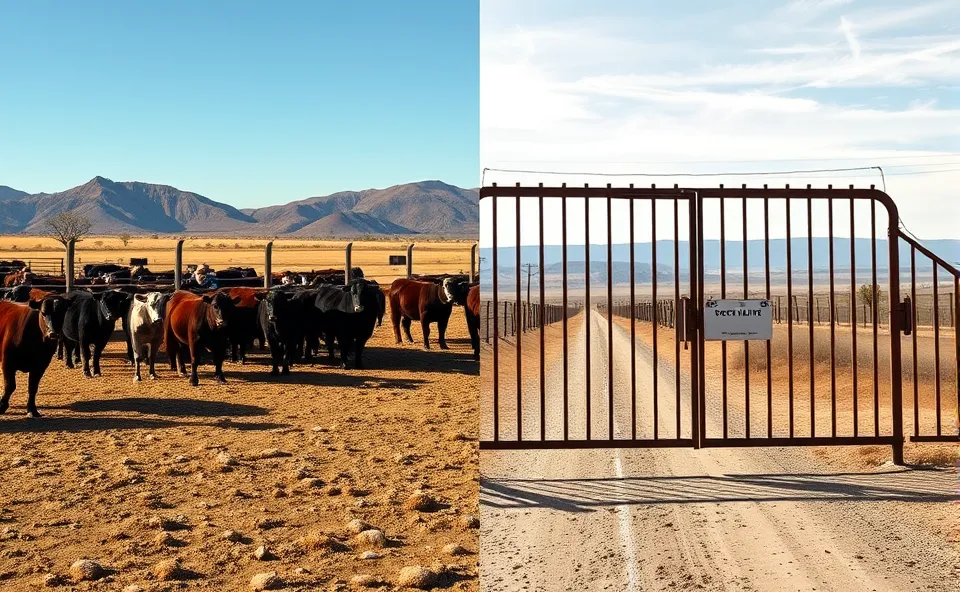
The Screwworm Scare and the Ripple Effect on Your Steak
Ever wondered why your grocery bill seems to keep climbing, especially when it comes to your favorite beef cuts? Well, a little bug you’ve probably never heard of, the screwworm, has been causing a significant stir. Recently, a detection of this pest near the US-Mexico border led to a necessary but disruptive closure. This isn’t just a minor inconvenience for a few farmers; it’s creating waves that are hitting our wallets and challenging the very backbone of the cattle supply chain. Let’s break down what’s happening and why it matters.
Why All the Buzz About Screwworms Right Now?
The recent alert about the screwworm, an insect that can be devastating to livestock, triggered immediate and serious actions. When this parasite is found, especially near a major trade route like the US-Mexico border, officials have to act fast to prevent its spread. This means implementing strict border restrictions, which, in this case, significantly slowed down or even halted the movement of cattle. Because of this, people are searching for information to understand the impact on agricultural trade and livestock health. The concern is palpable because an unchecked screwworm outbreak can devastate herds, and trade disruptions mean immediate economic consequences. This is why the screwworm border closure has become a trending topic in the beef industry and the Texas cattle market.
A Little History Lesson: Why This Bug Matters So Much
To truly grasp the current situation, we need to rewind a bit. The screwworm isn’t a new problem. It’s a nasty pest that lays its eggs in open wounds on warm-blooded animals. When those eggs hatch, the larvae feed on the living flesh of the host animal. If left unchecked, this can be fatal. Historically, screwworms caused immense damage to livestock populations in the Americas, leading to billions of dollars in losses. The United States and Mexico, along with other countries, have spent decades and significant resources on eradication programs. These programs involve methods like releasing sterile male screwworms to disrupt the breeding cycle. The success of these efforts has been remarkable, largely keeping the pest at bay. However, occasional reintroductions, like the recent one, are a stark reminder that the threat is never entirely gone and requires constant vigilance. This background is crucial to understanding why a single detection can trigger such a strong reaction and create such immediate challenges for the cattle supply chain.
The Far-Reaching Impacts: From Ranch to Restaurant
So, what happens when the border slams shut for cattle due to a screwworm scare? The consequences are immediate and multifaceted. For Mexico, a significant producer and exporter of beef, the inability to move cattle or finished beef products across the border directly impacts their ability to sell to the US market. This creates a surplus of supply within Mexico, which, according to basic economics, can lead to lower prices for producers there. However, the flip side is that the scarcity of beef from Mexico in the US market drives up demand and, consequently, beef prices for consumers here. Think of it like a popular concert selling out; if demand is high and tickets are scarce, prices skyrocket. This is precisely what’s happening with beef prices.
Meanwhile, in Texas, a state deeply intertwined with the ranching economy and a major player in the US cattle market, the situation is equally challenging. Texas cattle producers often rely on cross-border movement for various aspects of their operations. This can include moving calves for finishing in other states or even importing certain types of cattle. Border restrictions, especially those related to animal disease outbreaks, disrupt these established flows. Cattle producers face difficulties in getting their animals to market, managing their herds efficiently, and fulfilling contracts. This creates uncertainty and can lead to direct financial losses for ranches. The ripple effect extends beyond the farm gate; it affects feedlots, processing plants, and eventually, the entire cattle supply chain. The economic challenges for Texas cattle producers are significant, as they grapple with unpredictable market conditions and the high costs associated with maintaining their livestock without the usual pathways for sale and movement.
What Comes Next for the Beef Market?
Looking ahead, the immediate concern is how quickly the screwworm threat can be contained and eradicated. The effectiveness of the ongoing control measures will dictate how long these border restrictions remain in place. If containment is swift, we might see a gradual return to normal trade flows, which should help stabilize beef prices and ease the pressure on Texas cattle producers. However, the incident serves as a potent reminder of the vulnerability of our interconnected agricultural trade. Future outlooks suggest that increased investment in animal health surveillance and rapid response protocols will be paramount. We may also see a greater emphasis on diversifying supply chains and exploring technologies that can help monitor and manage animal disease risks more proactively. While wild speculation is unhelpful, it is logical to anticipate that this event will prompt a reassessment of preparedness strategies within the beef industry and for agricultural trade more broadly. The goal will be to minimize the disruption caused by future animal disease outbreaks and protect both the ranching economy and the availability of affordable beef.
Frequently Asked Questions
- What is the main effect of the screwworm border closure on beef prices in Mexico?
- How does the screwworm border closure impact the Texas cattle market and its producers?
- What are the long-term implications for agricultural trade due to this screwworm event?
- What steps are being taken to address the livestock health concerns related to this screwworm outbreak?
- How might this screwworm border closure affect the broader cattle supply chain in North America?











