

Crude Blow to Iran’s Oil Dream
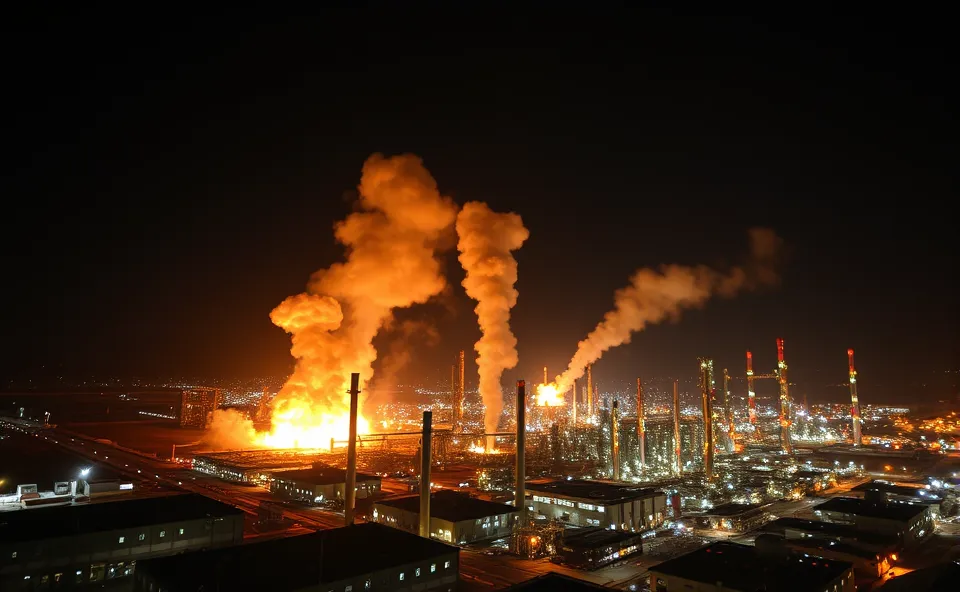
Okay, so something significant just went down in the Middle East. Reports are swirling about Israel striking an Iranian petrochemical plant. Think of it as a really big industrial facility that turns oil and gas into other useful stuff, like plastics and chemicals. These strikes apparently caused some serious damage. It’s a pretty tense situation, and it’s getting a lot of attention right now, especially with the wider Middle East conflict simmering.
Why This Oil Story Is Suddenly Hot
You might be wondering why this particular event is making waves right now. It’s not just about the physical damage to a plant. This incident has landed squarely in the middle of a very delicate geopolitical moment. You’ve probably heard about Donald Trump making some recent remarks about the ongoing conflict in the region. His comments have added another layer of complexity, and suddenly, any action involving Iran and its energy sector, like this hit on the Iran petrochemical plant, becomes incredibly significant. People are watching closely to see how this plays out, especially with potential peace talks on the horizon. It’s like a sudden flare up that could derail careful diplomatic efforts.
A Tangle of Old Grievances
To really get what’s happening with the Israel strikes on the Iran petrochemical plant, we need to rewind a bit. The relationship between Israel and Iran has been fraught with tension for a very long time. They are, in many ways, adversaries in the region, each with their own strategic interests and security concerns. Iran’s nuclear program and its support for various groups across the Middle East are major sticking points for Israel. On the flip side, Iran views Israeli actions and regional policies as threats. This latest incident isn’t happening in a vacuum; it’s another chapter in a long, complicated story of mistrust and competition. We also can’t ignore the impact of past US policies towards Iran, including the reimposition of sanctions after the US withdrew from the nuclear deal under Trump. These sanctions have put significant pressure on Iran’s economy, particularly its vital oil and gas sector, which includes its petrochemical industry.
The Ripples in Global Markets and Beyond
So, what does this mean for us, for businesses, and for the world? First off, when you have an attack on a significant petrochemical plant, especially one in a major oil producing country like Iran, it can send shivers through global markets. Even if the direct impact on immediate oil supply isn’t massive, the threat of disruption is enough to move prices. We’re talking about potential spikes in oil prices, which then affects everything from the cost of gasoline at the pump to the price of goods that rely on petrochemicals for manufacturing. This also brings energy security into sharp focus. Countries around the world are already worried about stable energy supplies, and events like this just add to that anxiety. From a geopolitical perspective, this could embolden certain factions or lead to calls for retaliation, further complicating the Middle East conflict. It also puts any budding peace talks under immense pressure. Imagine trying to broker a deal when tensions are escalating with direct hits on key industrial infrastructure. It makes diplomacy a much harder game to play.
What’s Next on the Geopolitical Chessboard?
Looking ahead, it’s tough to predict exactly what will happen, but we can anticipate a few likely scenarios. Iran will almost certainly respond in some way, though the nature and timing of that retaliation are uncertain. It could be diplomatic condemnation, cyber actions, or support for proxies to act. Israel, on the other hand, will likely justify its actions as a necessary defensive measure to protect its security interests. The international community, including the US, will be watching very closely. We might see renewed calls for de-escalation, but also potential shifts in alliances or increased military posturing. The impact on ongoing peace negotiations is a big question mark. If these talks were fragile to begin with, this event could either shatter them or, in a less likely scenario, act as a wake-up call forcing parties to the table more urgently. The focus on Iran oil and its production capabilities will undoubtedly intensify as nations assess the risks to global energy security.
Diving Deeper: Your Questions Answered
What exactly happened at the Iran petrochemical plant?
Reports indicate that Israel conducted strikes targeting a significant Iran petrochemical plant. The exact details are still emerging, but the damage is believed to be substantial. This incident is part of the ongoing, complex Middle East conflict.
How might these Israel strikes impact Iran oil production?
While this specific strike was on a petrochemical facility, not a crude oil extraction site, damage to such infrastructure can still affect the overall value chain of Iran oil. It can impact the processing and export of refined products, potentially leading to reduced revenue and influencing global markets due to perceived risk.
What is the connection between Trump Iran policy and current events?
Donald Trump’s previous administration withdrew the US from the Iran nuclear deal and reimposed stringent sanctions. These policies significantly impacted Iran’s economy, including its oil and petrochemical sectors. Current events, like these Israel strikes, are often viewed through the lens of this past policy, influencing how regional players and global powers react and interact.
Could this incident affect global markets and oil prices?
Yes, absolutely. Any disruption or perceived threat to energy infrastructure in a major oil producing region like the Middle East can lead to increased volatility in global markets and potentially drive up oil prices. Geopolitics and energy security are closely linked, and this event highlights that connection.
What does this mean for peace talks in the Middle East conflict?
This escalation, involving a direct strike on an Iran petrochemical plant, can be detrimental to peace talks. It raises tensions, increases the likelihood of retaliation, and creates a more hostile environment for diplomacy. The hope is that it might also spur a greater urgency for dialogue, but the immediate effect is often one of heightened conflict.











