

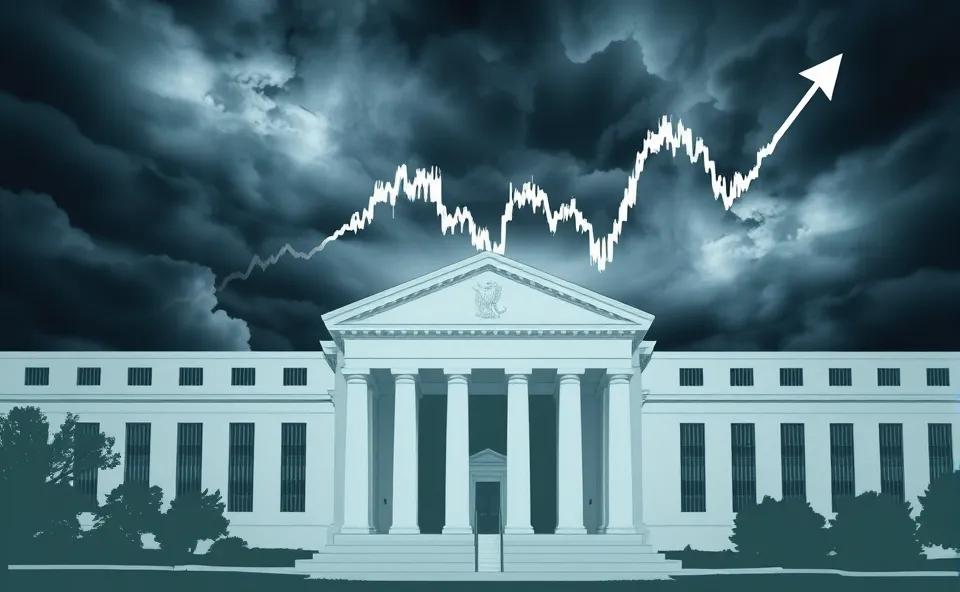
The SPX 500 is Feeling the Heat: What’s Going On?
Alright, let’s talk about what’s been happening with the SPX 500 lately. If you’ve been watching the financial markets, you’ve probably noticed a bit of a wobble. The S&P 500, which is a big benchmark for how the US stock market is doing, has been showing some weakness. It’s not a dramatic crash, but it’s definitely feeling some pressure. Think of it like a car that’s usually running smoothly but has started to sputter a bit. We’re seeing this hesitation, and it’s making investors a little nervous about what’s next.
Why Are We Talking About This Right Now?
The main reason everyone’s ears are perked up about the SPX 500 right now is the looming shadow of Federal Reserve rate hikes. The Fed, which is the central bank of the United States, has the power to influence interest rates. When they signal or actually increase these rates, it tends to make borrowing money more expensive for businesses and individuals. This can slow down economic activity. And when the economy slows, company profits can take a hit, which naturally affects stock prices. People are searching for information about Fed rate hikes because they want to understand how this might impact their investments and the broader stock market. It’s a critical factor shaping the current economic outlook.
A Little History Lesson: Why Rates Matter
To really get why the Fed’s actions are causing concern, we need to look back a little. For a long time, interest rates have been historically low. This made it cheap to borrow money, which fueled investment and economic growth. Companies could take out loans to expand, buy new technology, and hire more people. Consumers could borrow for big purchases like houses and cars. This low-rate environment was a big tailwind for the stock market, helping to push indices like the SPX 500 higher. However, inflation has been a growing concern. When prices for goods and services rise too quickly, the Fed steps in. Their primary tool to fight inflation is by increasing interest rates. It’s a balancing act; they want to cool down the economy enough to bring inflation under control without tipping it into a full-blown recession. This shift from an era of ultra-low rates to one where rates are rising is a significant change for the financial markets.
What Does This Mean for Everyone?
So, what’s the big deal with the SPX 500 showing weakness and the fear of Fed rate hikes? Well, it has ripple effects. For individual investors, it means their portfolios might not be growing as much, or they might even be seeing a dip. It prompts a need for a careful investment strategy. Businesses feel it too. Higher borrowing costs can make expansion plans more expensive, potentially slowing down innovation and job creation. This can also affect the economic outlook for entire sectors. Technology companies, for instance, often rely on readily available capital to fund research and development. When that becomes more costly, their growth trajectory can be impacted. Even the broader stock market sentiment shifts. When investors see potential headwinds like rising rates and weak market breadth, they become more cautious, which can lead to selling pressure. Market breadth refers to how many stocks are participating in a market move. If only a few big companies are pushing the index up while most others are lagging, it’s a sign of underlying weakness. This lack of broad participation is a key risk assessment factor right now.
Peeking into the Crystal Ball: What Might Happen Next?
Looking ahead, the path for the SPX 500 is likely to remain sensitive to the Federal Reserve’s actions and the broader economic indicators. If the Fed continues to signal or enact rate hikes, we could see further pressure on stock prices. Companies that are heavily reliant on debt or operate in interest rate sensitive industries might face more significant challenges. On the flip side, if inflation starts to show clear signs of cooling, the Fed might become less aggressive with rate hikes, which could provide some relief to the stock market. We’ll also be watching market breadth closely. If more companies start to participate in upward moves, it would suggest a healthier underlying market. Conversely, continued narrow leadership could signal ongoing risks. The overall economic outlook will play a huge role. A resilient economy might absorb higher rates better than a fragile one. It’s a dynamic situation, and navigating it will require constant attention to these key factors.
Frequently Asked Questions
What is the current SPX 500 trend and what is causing it?
The SPX 500 is currently experiencing weakness. This is largely driven by fears of continued Fed rate hikes aimed at combating inflation, coupled with signs of poor market breadth in the stock market. These factors are making investors more cautious about the economic outlook.
How do Fed rate hikes typically impact the SPX 500?
Fed rate hikes tend to increase borrowing costs, which can slow down economic activity and reduce corporate profits. This often leads to downward pressure on stock prices, including those in the SPX 500, as investors reassess their investment strategy in light of changing financial markets.
What is market breadth and why is it important for the SPX 500?
Market breadth measures the number of stocks participating in a market move. Weak market breadth, where only a few large stocks are driving the SPX 500 higher while most others lag, suggests underlying weakness and increased risk assessment of the overall stock market.
What are the potential downside risks for the SPX 500 given the current economic indicators?
Potential downside risks for the SPX 500 include more aggressive Fed rate hikes than anticipated, a sharper slowdown in the economy than expected, and persistent inflation. These factors can negatively influence the stock market and the broader financial markets.
How should investors approach their investment strategy with the SPX 500 facing potential rate hike headwinds?
Investors might consider reviewing their risk assessment and diversification. Focusing on companies with strong balance sheets, consistent earnings, and less debt could be part of a prudent investment strategy. Staying informed about economic indicators and Fed policy is also crucial for understanding the potential impact on the S&P 500.











