

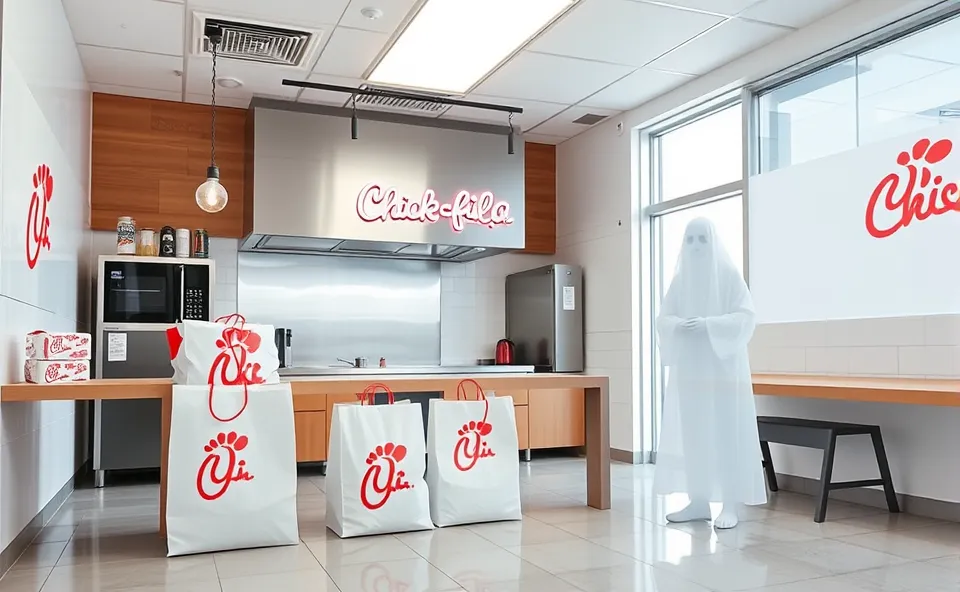
A new way to eat in the heart of Miami
If you have spent any time in the Wynwood area of Miami lately, you might have noticed something different happening in the food scene. One of the biggest names in the fast food world is making a move that looks very different from their traditional drive-thru locations. Chick-fil-A is officially expanding its presence in Florida by launching a ghost kitchen model specifically designed for the Miami market.
This is not your typical restaurant setup. You will not find large dining rooms, cozy booths, or staff walking around to clear your table. Instead, this new restaurant model is built entirely around the concept of delivery-only service. These kitchens are essentially high-tech hubs focused on one thing: getting hot, fresh food into the hands of customers as quickly as possible through food delivery channels.
By choosing Wynwood for this expansion, the company is tapping into one of the most vibrant and fast-moving neighborhoods in the city. This move marks a significant shift in how major brands approach urban environments where space is limited and the demand for quick, convenient meals is incredibly high. It is a strategic play that prioritizes speed and digital access over the traditional sit-down experience.
Why everyone is talking about this delivery move
You might be wondering why this specific news is grabbing so much attention right now. It is not just because people love chicken sandwiches. It is because this move represents a massive shift in how we think about dining. We are living in an era where convenience is the ultimate currency. People want their food when they want it, and they want it without the hassle of driving or waiting in a long line.
The buzz around this expansion comes from several different angles:
- The Rise of On-Demand Culture: We are used to getting everything from groceries to rideshare services with a single tap on our phones. This ghost kitchen model fits perfectly into that lifestyle.
- The Wynwood Factor: Wynwood is a hub for art, nightlife, and young professionals. This demographic is much more likely to rely on third-party apps for their meals than the traditional suburban diner.
- Efficiency Trends: Business analysts are watching closely to see how a major player like Chick-fil-A adapts to the digital-first economy.
As more people search for ways to optimize their daily routines, the idea of a kitchen that exists purely to serve your phone becomes much more appealing. This is why the news of a delivery-only location in such a trendy part of Miami is making waves across social media and business news outlets alike.
How the food industry has changed over time
To understand why this is such a big deal, we have to look at how much the restaurant industry has evolved. For decades, the goal of any successful restaurant was to get as many people through the front door as possible. Success was measured by how many tables you could turn and how much atmosphere you could create. You invested heavily in beautiful decor, comfortable seating, and large kitchens to accommodate both dine-in and takeout customers.
However, the landscape began to shift with the advent of the smartphone. Suddenly, the kitchen was no longer limited by the number of seats in the building. The world became a potential dining room. The rise of third-party apps changed the math for restaurant owners. They realized that they could reach thousands of customers without needing a massive footprint on a busy street corner.
This led to the birth of the ghost kitchen. These facilities allow brands to enter high-density areas like Miami without the massive overhead costs of a traditional storefront. Instead of paying for a large dining area and the staff to manage it, they can focus all their resources on the production side. This evolution from physical storefronts to digital-first hubs is one of the most significant changes in modern business history.
The real impact on businesses and the local economy
When a major brand rolls out a new restaurant model like this, the impact reaches far beyond just the people eating the food. It affects the local economy, the technology sector, and the very way we think about work.
First, let us talk about job creation. While these kitchens do not need servers or hosts, they do need a dedicated team of kitchen professionals. There is a growing need for staff who are experts in high-volume, high-speed food preparation. Furthermore, the increased volume of orders creates more opportunities for delivery drivers, fueling the local gig economy. This creates a ripple effect of employment that supports various sectors of the Miami workforce.
For the business world, this model is a masterclass in efficiency. By focusing on a delivery-only approach, companies can significantly reduce their operating costs. They do not have to worry about the maintenance of a dining room or the high rent associated with prime retail space designed for foot traffic. This allows them to be more agile. They can test new markets, adjust their menus quickly, and react to local trends in real time.
From a technological standpoint, this move pushes the boundaries of how food delivery software operates. To make a ghost kitchen successful, the integration between the kitchen and the third-party apps must be seamless. This requires sophisticated logistics and real-time data tracking to ensure that food is not just cooked quickly, but also picked up and delivered while it is still at its best quality.
What we can expect to see next
So, is this just a one-time experiment in Wynwood, or is it the future of dining? While we should not jump to conclusions, the signs point toward a much larger trend. We are likely to see more major brands following this blueprint. As urban areas become more crowded and real estate becomes more expensive, the delivery-only model becomes an increasingly attractive option for global brands.
We might see the emergence of massive kitchen hubs where multiple different brands share a single facility. This would allow for even more variety and even faster delivery times. Additionally, as artificial intelligence and automation improve, these kitchens could become even more streamlined, focusing on precision and speed that traditional restaurants simply cannot match.
The expansion in Florida is likely a testing ground. If the Chick-fil-A ghost kitchen performs well in the high-energy environment of Miami, it could pave the way for similar rollouts in other major cities like New York, Los Angeles, or Chicago. The goal is to meet the customer exactly where they are, which, in the modern world, is almost always on their smartphone.
Frequently asked questions about the new model
What exactly is a Chick-fil-A ghost kitchen?
A ghost kitchen is a professional kitchen space that is dedicated entirely to food delivery. Unlike a standard restaurant, it does not have a dining room or a walk-up counter for customers. Instead, orders are placed through third-party apps or digital platforms, prepared in the kitchen, and then handed off to delivery drivers.
Why did they choose Wynwood for this expansion?
The expansion into Wynwood was a strategic choice. This neighborhood in Miami is known for being a hub of activity with a high concentration of people who prefer the convenience of delivery-only services. It is a perfect demographic for testing a digital-first restaurant model.
How will this affect food delivery speed?
Because these kitchens are designed specifically for food delivery, they are often much more efficient than traditional restaurants. Without the distractions of managing a dining room, the staff can focus entirely on fulfilling orders quickly, which can lead to faster delivery times for customers using third-party apps.
Will this new model lead to more job creation in Miami?
Yes, it can. While the roles are different from traditional restaurant jobs, this model contributes to job creation in the areas of kitchen operations, food preparation, and the local delivery economy. It creates a specialized workforce focused on the logistics of the modern food industry.
Can I sit down and eat at this location?
No, because this is a delivery-only setup, there is no seating available for customers. To enjoy the food, you will need to use a mobile app to place an order for delivery to your home, office, or current location.











