

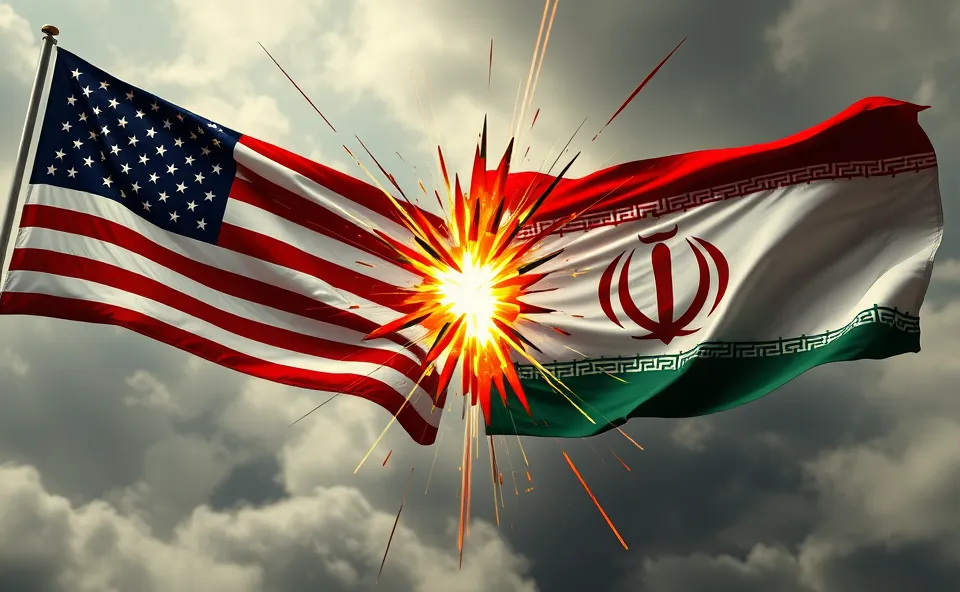
When Sparks Fly US Iran Strikes Escalate
Alright, let’s talk about what’s been going on between the US and Iran. Things have gotten pretty heated recently, with both sides engaging in strikes. It’s not just a simple back-and-forth; it’s a serious escalation of hostilities that has everyone watching closely. Think of it like a tense game of chess where each move has big consequences, and right now, the board looks pretty volatile. The Trump administration has been pushing hard, hoping to steer things towards a new deal, but the path there is fraught with danger.
Why Everyone’s Talking About US Iran Strikes Right Now
So, why the sudden surge in interest in US Iran strikes? It’s all about that escalating tension. When military action happens, and especially when it involves major global players like the US and Iran, the world takes notice. People are searching for information because these events don’t happen in a vacuum. They have ripple effects that touch economies, international relations, and even our daily lives. The feeling of uncertainty, a direct result of these geopolitical tensions, is a major driver for people wanting to understand the “why” and “what next.” It’s a clear sign that the Middle East conflict is back in the spotlight, and the foreign policy decisions made now will shape things for a long time.
A Look Back How We Got Here
To really grasp the current situation with US Iran strikes, we need to rewind a bit. For years, the US and Iran have had a complicated relationship. A big part of this has been the Iran nuclear deal, officially known as the Joint Comprehensive Plan of Action or JCPOA. The Trump administration pulled the US out of this deal in 2018, arguing it wasn’t strong enough. This move, followed by a “maximum pressure” campaign including tough sanctions, significantly increased geopolitical tensions. Iran responded by gradually increasing its own nuclear activities and, more recently, through actions that have been interpreted as provocations. Each side has accused the other of aggressive behavior, leading to a cycle of actions and reactions. It’s this history of mistrust and strategic maneuvering that sets the stage for the recent military actions we’ve seen, making the escalation of US Iran strikes a key concern for global stability.
What These Strikes Mean for You, Me, and the World
When we talk about the impact of US Iran strikes, it’s more than just headlines. For businesses, especially those dealing with the energy sector, these events can mean volatile oil prices. The Middle East is a major global oil producer, so any instability there directly affects supply and, consequently, prices at the pump for consumers. Beyond economics, these geopolitical tensions create a sense of unease. Think about how global markets react to uncertainty; they often become skittish, affecting investments and economic growth. For technology, while direct impact might not be obvious, the increased focus on defense and security could spur innovation in related fields. Diplomatically, this escalation puts immense pressure on foreign policy leaders. It tests existing alliances and forces nations to reconsider their stances in the region. The risk of wider conflict, even if unintended, is always present, and that’s something nobody wants to see. The effectiveness of sanctions as a tool of foreign policy is also under scrutiny, as is the potential for diplomatic pressure to deescalate the situation.
Peering into the Crystal Ball What’s Next for US Iran?
So, what’s the outlook for US Iran relations and these ongoing strikes? It’s a tricky path, and predicting the future is never an exact science. However, we can look at the current dynamics. President Trump has consistently signaled a desire for a new deal with Iran, one that he believes is more favorable to US interests and addresses his concerns about Iran’s behavior. This suggests that while military action is on the table, the door for negotiation, however narrow, might still be open. The challenge is that trust is extremely low. For any diplomatic pressure to work, there needs to be a willingness from both sides to engage constructively. The current escalation of US Iran strikes makes this dialogue incredibly difficult. We could see a period of continued strategic posturing, where both sides try to gain an advantage without fully committing to a war. Alternatively, a miscalculation on either side could lead to further unintended escalation, prolonging the Middle East conflict. Ultimately, the path forward will likely depend on a complex interplay of political will, economic factors, and the decisions made by leaders in Washington and Tehran.
Your Burning Questions About US Iran Strikes Answered
What exactly triggered the recent US Iran strikes?
The recent US Iran strikes were part of an escalating cycle of actions and reactions. These events were influenced by a period of heightened geopolitical tensions, stemming from historical grievances, the US withdrawal from the Iran nuclear deal, and ongoing sanctions. Specific incidents, often involving attacks on assets or personnel, led to retaliatory military action from both sides.
How do these US Iran strikes affect the Iran nuclear deal?
The escalation of US Iran strikes significantly complicates any prospects for reviving or renegotiating the Iran nuclear deal. The increased hostility and mistrust create an environment where constructive dialogue is challenging. The Trump administration’s original withdrawal and subsequent sanctions have already weakened the deal, and further military action makes a return to diplomacy even more difficult.
What are the economic implications of the US Iran escalation?
The economic implications of the US Iran escalation are significant. Geopolitical tensions in the Middle East, a crucial oil producing region, can lead to oil price volatility, impacting global markets and consumer costs. Businesses, particularly those with ties to the region, face uncertainty, potentially affecting trade and investment. The effectiveness of sanctions as a tool to pressure Iran is also a constant economic discussion point.
How has the Trump administration’s foreign policy influenced US Iran relations?
The Trump administration’s foreign policy has been a major factor in the current state of US Iran relations. The decision to withdraw from the Iran nuclear deal and impose maximum pressure sanctions marked a significant shift. This approach aimed to curb Iran’s regional influence and nuclear program but also led to a substantial increase in geopolitical tensions and the recent cycle of military action.
What role does diplomacy play amidst the US Iran conflict and strikes?
Diplomacy remains a critical, albeit challenging, element amidst the US Iran conflict and strikes. While military action dominates headlines, efforts at diplomatic pressure and negotiation are essential to deescalate tensions and prevent further conflict. The desire for a deal, as expressed by the Trump administration, highlights the ongoing search for a peaceful resolution, even in the face of significant obstacles and the backdrop of the broader Middle East conflict.











