

The President, the Cage, and the Conversation
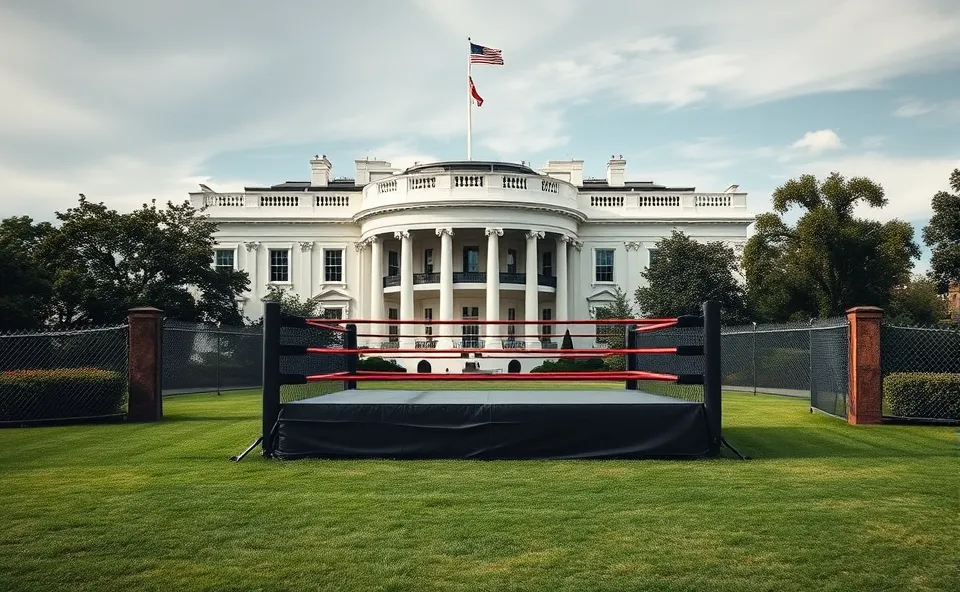
Imagine this: the White House, a symbol of American democracy and power, becoming the backdrop for a full-blown mixed martial arts spectacle. That’s precisely what was floated with discussions about hosting a UFC event on the South Lawn during Donald Trump’s presidency. It wasn’t just a rumor; it was a serious consideration that sparked a firestorm of debate. Essentially, the idea was to bring the raw energy and global appeal of the Ultimate Fighting Championship directly to the grounds of the nation’s most iconic address. This isn’t your typical presidential event, and that’s exactly why it captured so much attention.
Why the Buzz Now?
So, why are people still talking about a Trump White House UFC event? The conversation reignited with recent reflections and analyses of that period. As we look back at the intersection of politics and entertainment, particularly within the realm of sports marketing, this idea stands out as a particularly striking example. It taps into a broader trend of public figures and institutions embracing or engaging with popular culture in unexpected ways. The sheer novelty and the bold departure from traditional presidential functions make it a recurring talking point, especially when considering the cultural impact of both the presidency and a sport like MMA. It’s a moment that encapsulates a certain kind of spectacle, and people are trying to unpack its meaning and implications.
A Look Back: Setting the Stage
To understand the significance of the proposed Trump White House UFC event, we need a little background. Donald Trump has always had a flair for the dramatic and a deep connection to the world of sports and entertainment, including combat sports. He’s been a promoter and a personality familiar with the glitz and the grit of fighting. The UFC, with its massive global following and its embrace of a no holds barred, highly visible brand of competition, seemed like a natural fit for his approach to engagement. The specific idea that gained traction was the potential hosting of an event, possibly dubbed something like a “UFC Freedom 250,” directly on the South Lawn. This wasn’t just about a brief photo op; it was about a full-fledged sporting competition in a highly unusual and politically charged location. It signaled a willingness to blur the lines between the formal and the informal, the political and the purely commercial, in a way that was quite unprecedented for presidential events.
The Fallout: What It All Means
The implications of a UFC event at the White House are far reaching, touching on political decorum, the commercialization of sports, and the very nature of presidential imagery. For businesses and the sport itself, the potential marketing and sponsorship opportunities would have been enormous. Imagine the global eyeballs on the UFC, amplified by the prestige and visibility of the White House. It’s a prime example of sports marketing at its most ambitious, leveraging a historic venue to elevate a brand. However, the more profound impact lies in the realm of political decorum. The White House has traditionally been a space that projects an image of dignity, gravitas, and national unity. Introducing a brutal combat sport, even in a controlled environment, raises questions about what kind of message that sends to the world and to the American people. It sparks a debate about the appropriateness of blending high stakes political symbolism with the raw, often violent, spectacle of professional fighting. This intersection highlights how even events like a UFC event are viewed through the lens of broader cultural and political shifts, and how technology amplifies these discussions.
Looking Ahead: The Unfolding Landscape
What does this episode tell us about the future? It suggests a continuing trend where political figures and institutions are increasingly willing to engage with popular culture in unconventional ways. The lines between the worlds of politics, entertainment, and sports are likely to become even more blurred. For sports organizations like the UFC, it highlights the potential for massive cultural integration and brand building when they can tap into powerful political or national platforms. It also underscores the ongoing challenge for governing bodies and public figures to balance commercial interests and public perception with the expectations of dignity and appropriate conduct associated with their roles. As technology continues to make events and their discussions instantly global, such proposals will undoubtedly continue to spark intense debate about identity, values, and the evolving nature of public life.
Frequently Asked Questions
What exactly was proposed regarding a Trump White House UFC event?
The proposal involved the possibility of hosting a UFC event, possibly a significant numbered one like a UFC Freedom 250, on the South Lawn of the White House during Donald Trump’s presidency. It was considered as a way to blend presidential imagery with the popular appeal of MMA.
Why is the idea of a UFC event at the White House so noteworthy?
It’s noteworthy because it represents a significant departure from traditional presidential events. The White House is a symbol of political authority and decorum, and hosting a combat sport like MMA there raises questions about the intersection of political symbolism and commercialized sports entertainment.
What are the potential benefits of a Trump White House UFC event for the sport?
For the UFC, such an event would offer unparalleled exposure and a massive boost in sports marketing. It would bring the brand and MMA directly into the global spotlight associated with the US presidency, potentially attracting new fans and sponsors.
How does this relate to the concept of political decorum?
The idea directly challenges traditional notions of political decorum. Critics argue that hosting a violent sport at the White House could undermine the dignity and seriousness associated with the office of the president and the institution itself.
What is the broader cultural impact of considering a UFC event on White House grounds?
The cultural impact is significant because it reflects a broader trend of blending popular culture, including MMA and commercialized sports, with high levels of political power. It sparks conversations about how we perceive these institutions and the messages they convey to the public and the world.











