

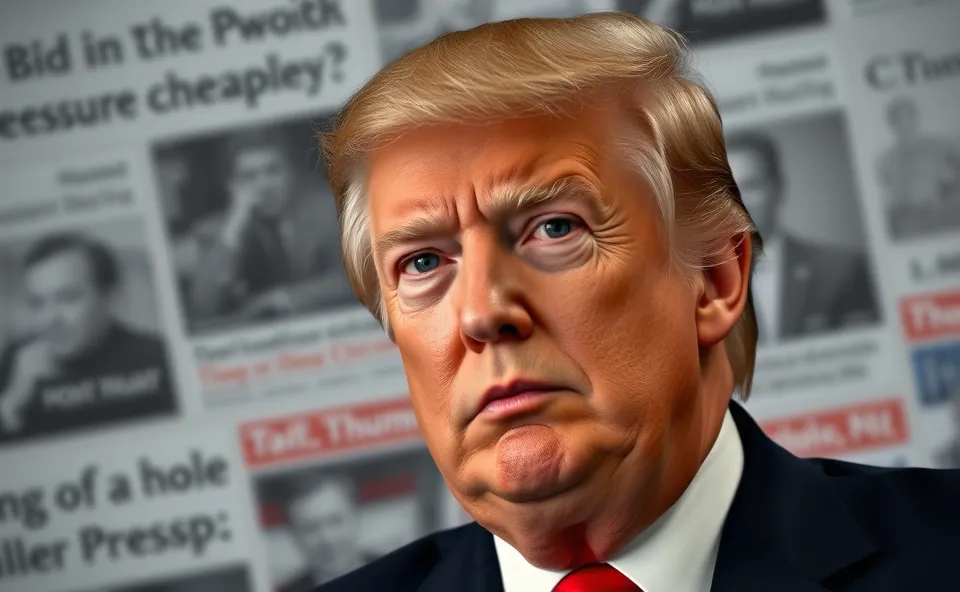
Age Is Just a Number, But For Donald Trump, It’s a Developing Story
Alright, let’s talk about Donald Trump. He’s a figure who always seems to be in the spotlight, and lately, there’s a lot of buzz around his current political standing, especially as he approaches 80. It’s not just about his age, though. We’re seeing a mix of external pressures and internal challenges shaping his path. Think of it like a seasoned player in a high-stakes game, facing new hurdles while trying to hold onto his winning streak. This isn’t just about one person; it’s about how leadership and public perception evolve over time, and what that means for politics and public life.
Why Are We Talking About Trump’s Current Political Challenges Now?
So, why is Donald Trump’s situation a hot topic right now? Several big things are happening all at once. For starters, there’s the ongoing situation in the Middle East, particularly the Iran war. This kind of international crisis often puts leaders under a microscope, forcing them to show strength and decisibility. Then there’s the internal dynamic within the Republican party itself. While he remains a powerful force, there are definitely voices expressing resistance or looking for new directions. And finally, there’s the crucial element of public support. Like any politician, especially one aiming for a significant comeback, Donald Trump needs to gauge and maintain his standing with voters. When you combine these factors – a global event demanding strong leadership, internal party dynamics, and the ever important public pulse – you get a lot of intense focus on Trump at 80 and the political challenges he faces.
Looking Back: The Foundation of Today’s Political Landscape
To really get where we are today, we need a little rewind. Donald Trump stormed onto the political scene with a promise to shake things up. His presidency was marked by a distinctive style – direct communication, often through rallies and social media, and a focus on what he called “America First.” He built a strong base of support that felt connected to his message. After his presidency, he remained a dominant figure, influencing elections and party platforms. Even when not in office, his presence has been felt, shaping debates and continuing to rally his supporters. This history of intense engagement and a loyal following sets the stage for his current position. The Republican resistance we see now isn’t entirely new; there have always been different factions and opinions within the party. Similarly, the fluctuations in public support are a normal part of political life, but for a figure as prominent as Trump, these shifts are amplified. The Iran war, while a current event, also taps into broader themes of foreign policy and national security that have been central to political discussions throughout his career.
What This Means for the Political Arena and Beyond
So, what’s the big deal? When we look at Donald Trump’s current political challenges, especially with the backdrop of the Iran war and internal Republican resistance, it has ripple effects. For businesses, shifts in political leadership or even perceived instability can create uncertainty in markets. Think about how international conflicts can impact global trade or how policy changes can affect various industries. For technology, especially in the realm of communication and media, Trump’s distinctive use of platforms continues to shape how political messages are delivered and consumed. It also highlights the role of social media in public discourse and the constant need for leaders to manage their public image. For everyday citizens, it’s about understanding how these dynamics play out and influence the direction of the country. The idea of a leader projecting strength, especially during a crisis like the Iran war, is something people watch closely. And for those concerned about the 2026 election, the current landscape provides clues about potential future campaigns and leadership styles.
Charting the Path Forward: What’s Next for Donald Trump?
Predicting the future in politics is always tricky, but we can see some likely directions based on the current situation. Donald Trump’s political strategy will likely continue to involve projecting an image of unwavering strength and leadership, especially in light of global events like the Iran war. He’ll probably work to consolidate his support within the Republican party, addressing the instances of Republican resistance by emphasizing unity and shared goals. A key part of his effort will be focused on countering any perception of waning support by energizing his base and seeking new avenues to connect with voters. We can expect to see him lean into his established communication methods, aiming to define the narrative and maintain a strong presidential image. The leadership challenges he faces will probably be met with assertive responses, aiming to project confidence and control. As we look towards future elections, his ability to navigate these complexities and maintain high Trump approval ratings will be critical. It’s a balancing act: managing external pressures while keeping his core supporters engaged and broadening his appeal where possible.
Frequently Asked Questions About Donald Trump’s Political Landscape
What are the main political challenges Donald Trump faces at 80?
Donald Trump faces a complex set of political challenges, including navigating global events like the Iran war, managing internal Republican resistance, and continuously working to maintain and grow his public support. His age is a factor that observers often consider in relation to his endurance and long-term political strategy.
How does the Iran war affect Donald Trump’s public image?
International conflicts like the Iran war often put leaders in a position where they must project strength and decisiveness. For Donald Trump, how he addresses such situations can significantly impact his public image and influence perceptions of his leadership capabilities, potentially affecting his Trump approval ratings.
What is the nature of Republican resistance to Donald Trump?
The Republican resistance to Donald Trump can stem from various factors, including policy disagreements, differing visions for the party’s future, or concerns about electability. Understanding these dynamics is key to grasping the internal party landscape he navigates.
Is Donald Trump’s public support waning, and why is it important?
Like any political figure, Donald Trump experiences fluctuations in public support. Monitoring his waning support is crucial because it directly impacts his political influence, his ability to mobilize voters, and his prospects in future elections, such as the 2026 election.
What is Donald Trump’s overall political strategy for overcoming these challenges?
Donald Trump’s political strategy typically involves leveraging his established communication channels, emphasizing a strong presidential image, rallying his core supporters, and actively responding to criticism or opposition. His aim is often to project unwavering leadership and overcome leadership challenges through assertive action and consistent messaging.











