

A New Angle on Tackling Everyday Expenses
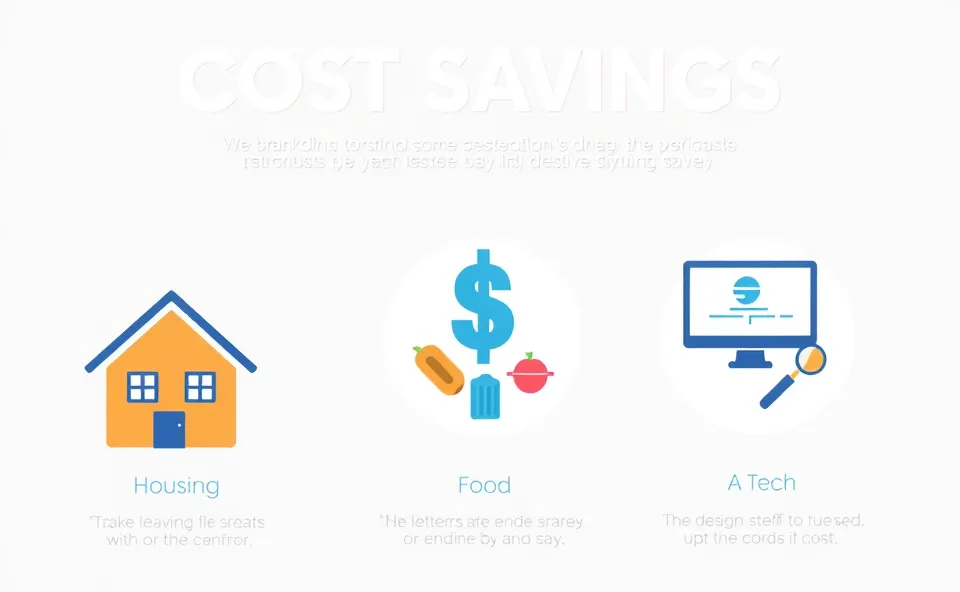
So, Andrew Yang, you know, the guy who’s been talking a lot about the economy and technology, recently pointed out something pretty interesting. He believes that startups have a massive opportunity to help everyday Americans by cutting down the costs of essential things. Specifically, he zeroed in on housing, food, and wireless service. It’s like he’s looking at the biggest drains on our wallets and saying, “Hey, there’s a smarter way to do this, and startups are the key.” He’s not just complaining about the high cost of living, he’s suggesting concrete areas where innovation can make a real difference for consumers looking to reduce their expenses.
Why Are We Talking About This Right Now?
The reason this idea is buzzing right now is pretty straightforward: the cost of living keeps creeping up. Everyone feels it. Whether it’s the rent check, the grocery bill, or that monthly phone payment, those expenses add up fast. People are actively searching for solutions, for ways to make ends meet, and for anything that promises some consumer savings. Andrew Yang’s comments tap directly into this widespread concern. It’s a timely reminder that economic innovation isn’t just about groundbreaking tech for its own sake, but about practical applications that improve people’s financial well-being. The buzz around his comments reflects a collective hope for solutions that bring down the cost of living through smart, entrepreneurial approaches.
Looking Back: The Roots of Our Current Pains
To really get why Yang’s points are so relevant, it helps to look back a bit. For years, we’ve seen the cost of housing skyrocket in many areas. It’s not just a recent phenomenon; it’s been a growing trend driven by various factors like supply shortages, investment properties, and urban development. Similarly, food prices have seen their own ups and downs, but the general trend has been an increase, impacted by everything from climate to global supply chains. And let’s not forget wireless service. What started as a luxury item has become a necessity, and while competition exists, the prices can still feel surprisingly high, especially when you factor in data plans and device costs. These aren’t new problems, but they’re persistent ones that chip away at household budgets. This background context highlights the long-standing challenges that Yang’s vision for startup opportunity aims to address, offering a new perspective on reducing expenses in these critical sectors.
What This Means for All of Us
The impact of this idea, if it gains traction, could be huge for ordinary people. Imagine startups finding innovative ways to make housing more affordable. This could mean anything from new construction methods to shared living models or even tech that streamlines property management to lower overheads. On the food front, think about companies that cut down on waste, improve local sourcing, or develop more efficient ways to get groceries from farm to table, all leading to lower food prices. And for wireless service, a startup might disrupt the market with a radically different approach to connectivity, perhaps leveraging new technologies or business models to significantly lower monthly bills. For businesses, this presents a clear startup opportunity to identify unmet needs and develop solutions. For technology, it’s a call to apply existing or emerging tools to solve real-world affordability issues. Ultimately, the market could see a wave of economic innovation focused on tangible consumer savings, directly impacting the cost of living for millions.
What Could the Future Hold?
Looking ahead, Andrew Yang’s call for startups to tackle the cost of living could really spark some interesting developments. We might see a surge of new companies experimenting with different models in housing, food, and wireless. Perhaps new types of co-living spaces that are genuinely affordable will emerge, or technology platforms that connect local farmers directly with consumers, cutting out middlemen and reducing food prices. In the wireless space, maybe we’ll see more community-driven networks or innovative service plans that offer better value. This isn’t about one magic bullet, but about fostering an environment where entrepreneurship is encouraged to solve these fundamental issues. The focus on reducing expenses in these everyday areas could lead to a more balanced economy, where economic innovation directly translates into more money in people’s pockets. It’s a future where affordability is a driving force for technological and business progress.
Your Questions Answered
How can startups realistically lower the cost of living?
Startups can lower the cost of living by identifying inefficiencies in essential services like housing, food, and wireless. They can leverage technology to streamline processes, reduce overhead, cut out middlemen, or create entirely new, more affordable service models. For example, a startup could develop an app that connects people needing affordable housing with underutilized properties, or a food delivery service focused on minimizing waste to offer lower prices.
What’s the biggest startup opportunity in reducing expenses?
The biggest startup opportunity in reducing expenses lies in areas with high consumer spending and potential for disruption. Andrew Yang specifically highlighted housing, food, and wireless service because these are significant, recurring costs for most households. Any startup that can offer a substantial improvement in affordability within these sectors has a massive market waiting.
Are housing costs really a problem startups can solve?
Yes, housing costs are definitely a problem startups can tackle. The current housing market is complex, but startups can innovate in areas like modular construction to build homes faster and cheaper, co-living arrangements that reduce individual rent burdens, property technology that makes management more efficient, or platforms that facilitate shared ownership models. These approaches aim to make housing more accessible and reduce overall expenses.
How can new companies make food prices more affordable?
Startups can make food prices more affordable through various means. This includes developing direct-to-consumer models that bypass traditional distributors, investing in urban farming and vertical agriculture to reduce transportation costs and increase local supply, creating platforms that facilitate food sharing and reduce waste, or using technology to optimize supply chains and cut operational expenses for food businesses.
What kind of innovation can lower wireless service costs?
Reducing wireless service costs offers a significant startup opportunity. Companies can explore decentralized network solutions, develop more efficient data compression technologies, offer subscription models that are more transparent and consumer-friendly, or leverage emerging technologies like satellite internet to provide more competitive options. The goal is to create economic innovation that directly leads to greater consumer savings on essential connectivity.











